
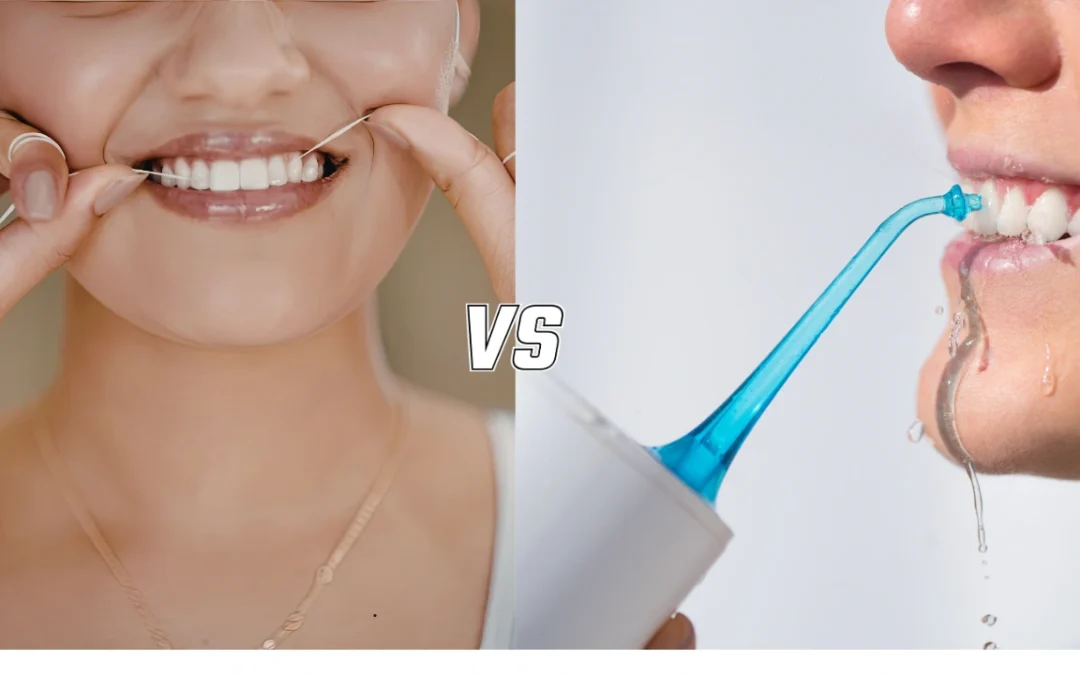
Keeping your teeth clean isn’t only about brushing. Many people brush daily but still deal with bleeding gums, bad breath, or cavities. The main reason is simple, food and plaque stay trapped between teeth where a toothbrush can’t reach. That’s where flossing comes in. But now there’s a common question: should you use traditional string floss or a water flosser? Both are popular, but they work in very different ways. In this guide, you’ll get a clear, research-based comparison to help you choose what works best for your routine, especially if you live in Australia and want reliable, dentist-approved advice.
Quick Answer – Which Is More Effective?
If you want a short answer:
- Traditional floss is very effective for scraping plaque from tight spaces
- Water flossers are better for gum health and ease of use
- The best choice depends on your teeth, gums, and daily habits
Quick Comparison Table
| Feature | Traditional Floss | Water Flosser |
| Plaque removal | Strong (mechanical scraping) | Moderate to strong (water pressure) |
| Gum health | Good | Excellent for reducing bleeding |
| Ease of use | Technique needed | Very easy |
| Best for | Tight teeth, healthy gums | Braces, implants, sensitive gums |
| Cost | Low | Higher upfront |
Why Interdental Cleaning Is Essential for Oral Health
Brushing alone cleans about 60% of your tooth surfaces. The remaining areas, between teeth, are where problems usually begin. This is why Interdental cleaning is a key part of daily oral care. When food particles stay trapped, they form Plaque, a sticky layer full of bacteria. If not removed, plaque leads to:
- Gingivitis (red, swollen gums)
- Gum disease (advanced infection)
- Cavities
- Bad breath
In Australia, many adults skip daily flossing, which increases the risk of long-term dental issues. Regular interdental cleaning helps prevent expensive treatments later and keeps your gums healthy.
Traditional Flossing (Dental Floss): How It Actually Works
Dental floss is a thin thread used to clean between teeth. It works by physically scraping plaque and debris from areas your toothbrush cannot reach. To be effective, floss needs to be gently curved around each tooth and moved below the gumline. This technique removes plaque before it hardens into tartar.
Where Traditional Floss Works Best
- Tight spaces between teeth
- People with good gum health
- Removing sticky plaque buildup
Common Challenges
- Many people don’t use the correct technique
- Can cause gum bleeding if used harshly
- Takes time and practice
Even though floss is affordable and widely available, its effectiveness depends heavily on how well you use it.
Water Flosser (Oral Irrigator): How It Works Differently
A Water flosser uses a stream of pressurised water to clean between teeth and along the gumline. It’s also known as a dental water jet, and popular brands like Waterpik have made it common in many households. Instead of scraping plaque, a water flosser flushes out food particles and bacteria. It can also reach slightly deeper under the gums compared to string floss.
Why Many People Prefer Water Flossers
- Easy to use, even for beginners
- Gentle on gums
- Helpful for people with braces or dental work
Things to Consider
- Higher cost compared to floss
- Needs charging or power
- Requires regular cleaning of the device
Water flossers are a good option for people who struggle with traditional floss or want a quicker, more comfortable routine.
Water Flosser vs Traditional Floss: Real Effectiveness Comparison
Both methods aim to remove plaque and protect your gums, but they work in very different ways. Understanding how they perform in real situations helps you choose the right option instead of relying on general advice.
Plaque Removal – Which Cleans Better Between Teeth?
Plaque removal is the main goal of flossing. Traditional floss works by physically scraping plaque off the tooth surface. When used correctly, it can remove plaque very effectively from tight spaces. A Water flosser, on the other hand, uses water pressure to dislodge plaque and food debris. It does not scrape the surface but can flush out bacteria from areas that are harder to reach.
Traditional floss:
- Strong mechanical removal
- Best for tight contact points
Water flosser:
- Good at flushing debris
- Reaches slightly below gumline
In simple terms, floss is more precise for plaque stuck tightly, while water flossers clean a wider area more easily.
Gum Health & Bleeding Reduction
Gum health is where water flossers often perform better. Many people experience bleeding gums due to Gingivitis, especially if they don’t floss regularly. Water flossers are gentle and help reduce inflammation over time by improving circulation in the gums and removing bacteria without harsh contact.
Traditional floss:
- Effective but may cause bleeding if used incorrectly
Water flosser:
- Reduces gum bleeding faster
- More comfortable for sensitive gums
For people already dealing with gum issues, water flossers are often easier to stick with daily.
Deep Cleaning Below the Gumline
Cleaning below the gumline is important to prevent advanced Gum disease. This is where bacteria can build up and cause long-term damage. Water flossers have an advantage here because the pressurised water can reach into shallow gum pockets and flush out bacteria.
What this means:
- Traditional floss mainly cleans above and slightly below the gumline
- Water flossers can reach deeper areas with less effort
This makes water flossers useful for people with early signs of gum disease.
Performance with Dental Work (Braces, Implants & More)
If you have dental work, cleaning becomes more challenging. Food and plaque can easily get trapped around appliances.
Water flossers are often recommended in these cases because they clean around complex structures more easily.
Best option by condition:
- Braces → Water flosser (easier access)
- Dental implants → Water flosser (gentle cleaning)
- Crowns & Bridges → Both can work, but water flossers are more convenient
- Retainers → Water flosser for quick cleaning
For patients with dental treatments, water flossers usually provide a simpler and more effective daily routine.
What Clinical Research Says
Clinical studies provide useful insights into how effective each method is. According to the American Dental Association, cleaning between teeth daily is essential, whether you use floss or another interdental tool. Research published in the Journal of Clinical Dentistry shows that water flossers can significantly reduce gum bleeding and inflammation compared to string floss, especially for beginners.
Research highlights:
- Water flossers can reduce gingival bleeding more effectively in some cases
- Both methods help reduce plaque when used correctly
- Consistency matters more than the method
The takeaway: both tools work, but the one you use regularly will give better results.
Who Should Use What? (Based on Real-Life Needs)
Choosing between the two depends on your lifestyle, oral health, and comfort level. There is no single “best” option for everyone.
Best for People with Braces or Dental Work
If you have orthodontic appliances or restorations, cleaning becomes more complex. A water flosser is usually the better option because it can clean around wires, brackets, and tight spaces easily.
Best for Sensitive Gums or Gum Disease
People with gum sensitivity or early Gingivitis often struggle with traditional floss. Water flossers are gentler and help reduce bleeding, making them easier to use daily.
Best for Beginners or Irregular Flossers
Many people don’t floss regularly. Studies suggest only a small percentage of adults floss daily. Water flossers:
- Are easier to learn
- Take less effort
- Encourage better consistency
Best for Limited Dexterity or Arthritis
For people with hand mobility issues or arthritis, using string floss can be difficult. A water flosser is much easier since it requires minimal hand movement.
Common Mistakes That Make Flossing Ineffective
Even the best tool won’t help if it’s used the wrong way. Many people think they are flossing correctly, but small mistakes reduce the benefits and can even harm the gums.
With Traditional Floss
- Snapping floss into gums (causes bleeding and irritation)
- Not reaching below the gumline
- Skipping back teeth
- Using the same section of floss repeatedly
With Water Flossers
- Using very low pressure (ineffective cleaning)
- Holding the tip too far from the teeth
- Rushing the process
- Not cleaning along the gumline properly
The key is simple: slow, consistent, and correct use matters more than the tool itself.
FAQs
Is a water flosser as effective as dental floss?
Yes, in many cases. A Water flosser can be as effective, especially for gum health and ease of use. However, traditional floss may remove plaque more precisely in tight spaces.
Can a water flosser replace traditional flossing?
It can for many people, especially those who struggle with string floss. But using both gives the most complete cleaning.
Do dentists recommend water flossers?
Yes. Many dental professionals recommend them, particularly for patients with braces, implants, or gum issues.
Is water flossing enough for daily oral hygiene?
It can be enough for some people, but combining it with brushing and occasional flossing gives better long-term results.
Which option is best for braces or implants?
A water flosser is easier and more effective for cleaning around:
- Braces
- Dental implants
When to See a Dentist for Personalised Advice
If you notice ongoing dental issues, it’s best to get professional guidance. Signs to watch for include:
- Bleeding gums that don’t improve
- Persistent bad breath
- Tooth sensitivity or pain
- Food is getting stuck frequently
A dentist can assess your oral health and recommend the right tools and techniques for your situation. For patients in Australia, clinics like St Leonards Green Dental provide personalised advice, professional cleaning, and preventive care to help you maintain healthy teeth and gums. Getting expert guidance early can save time, money, and discomfort later.
Choosing the Right Flossing Method for You
Both traditional floss and water flossers are effective when used correctly. The right choice depends on your comfort, dental condition, and daily routine. If you prefer precision and low cost, traditional floss works well. If you want ease, comfort, and better gum care, a water flosser is a great option. Many people benefit from using both together.


