
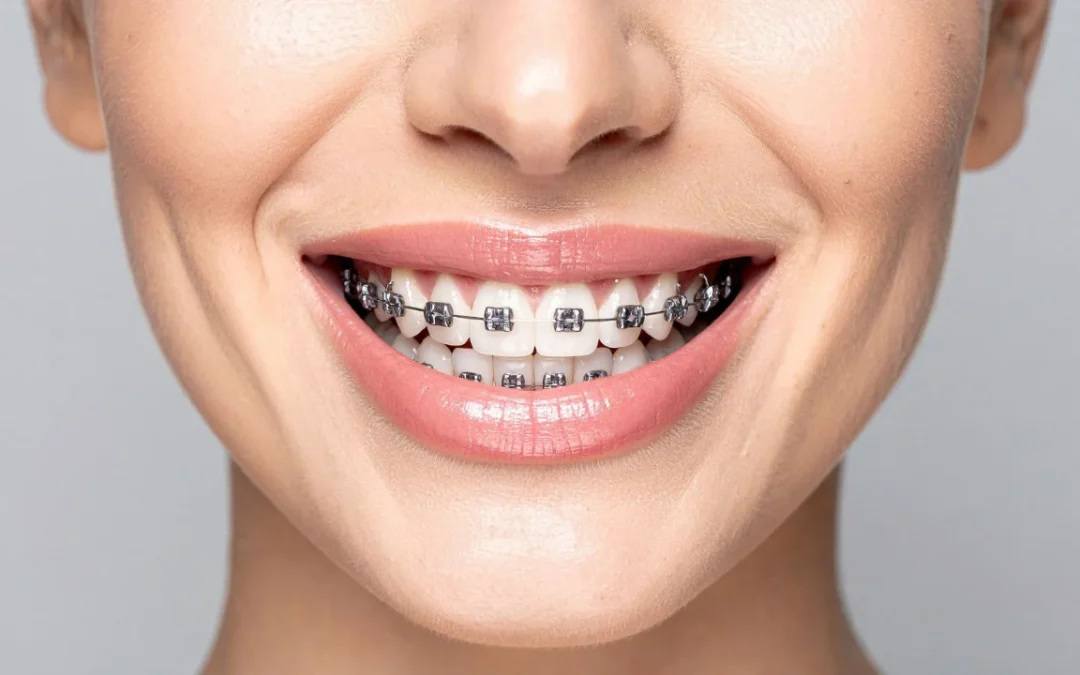
Overcrowded teeth can affect more than just your smile; they may lead to difficulty cleaning teeth, increased risk of tooth decay and periodontal disease, bite problems like overbite or underbite, and even affect speech or jaw alignment. Many Australians hesitate to seek treatment because of cost concerns or uncertainty about which type of braces to choose. If you are dealing with crooked teeth, crowding, or jaw misalignment, understanding your treatment options, costs, and potential outcomes can help you make an informed decision. At St Leonards Dental, our orthodontists and dental specialists guide patients of all ages, from children to adults, through personalised treatment plans using metal braces, ceramic braces, lingual braces, or Invisalign.
What Are Overcrowded Teeth?
Overcrowded teeth, also known as dental crowding, occur when there is insufficient space in the jaw for all teeth to fit properly. This can result in teeth being twisted, overlapping, or pushed forward, making it difficult to brush and floss effectively. Crowding may affect a single section of the mouth or multiple areas, often leading to tooth decay, gum inflammation, and uneven wear on enamel. Beyond oral health, crowded teeth can influence self-confidence, as misalignment is often noticeable when smiling.
Signs of overcrowding include:
- Teeth that overlap or rotate
- Limited space between teeth
- Difficulty biting or chewing properly
- Noticeable crowding in front teeth
Early assessment of crowding allows dental specialists to plan for interventions that prevent worsening misalignment and reduce long-term oral health complications.
Common Causes of Overcrowded Teeth
Understanding why teeth become crowded helps guide treatment decisions. The primary causes include:
- Genetic Factors / Inheritance: Jaw size and tooth size may be inherited, contributing to insufficient space for teeth.
- Improper Eruption of Teeth: Permanent teeth may emerge at an angle, overlapping existing teeth.
- Early or Late Loss of Primary Teeth: Premature loss or retention of baby teeth can disrupt the alignment of adult teeth.
- Childhood Habits: Thumb or finger sucking, prolonged use of dummies/bottles after age three, and tongue thrusting can push teeth out of alignment.
- Dental Trauma / Accidents: Injuries to teeth or jaw during childhood or adulthood can affect spacing and alignment.
- Cleft Lip or Palate: Structural anomalies may increase the risk of crowding.
By identifying these risk factors, orthodontists at St Leonards Dental can develop effective treatment plans that address not only the visible misalignment but also the underlying causes.
Why Treat Overcrowded Teeth?
Correcting crowded teeth with braces or clear aligners is important for both health and aesthetics. Untreated crowding can lead to:
- Difficulty Maintaining Oral Hygiene: Overlapping teeth trap food, increasing risk of tooth decay and gingivitis.
- Malocclusion / Bite Issues: Improper alignment can cause overbite, underbite, or jaw discomfort.
- Wear and Damage: Uneven pressure on teeth may wear down enamel and increase the chance of chipping.
- Self-Confidence Concerns: Straightening teeth improves the appearance of your smile and overall confidence.
Treatment options vary by patient age and dental condition, with children (~7 years), teens, and adults all benefiting from orthodontic care. Early evaluation by a family dentist or orthodontist ensures the most effective plan, which may include metal braces, ceramic braces, lingual braces, Invisalign, expander plates, or even tooth extraction in severe cases.
Types of Braces for Overcrowded Teeth
Correcting dental crowding depends on selecting the appropriate brace type, based on severity, age, and patient preferences. Modern orthodontics offers multiple options for both teens and adults.
Metal Braces
Metal braces are the most common type and use stainless steel brackets and wires to gradually move teeth into proper alignment. They are highly effective for correcting severe overcrowding, overbite, or underbite. Although visible, they are durable and suitable for both teens and adults. Metal braces require periodic adjustments to maintain pressure and ensure teeth move safely into position. At St Leonards Dental, our orthodontists monitor metal braces closely to reduce discomfort and ensure predictable results.
- Cost Range in Australia: $2,000–$9,000 AUD
Ceramic Braces
Ceramic braces function similarly to metal braces but use tooth-colored brackets that blend with the natural enamel, making them less noticeable. They are a preferred option for adult patients concerned about aesthetics during treatment. Ceramic braces are slightly more fragile than metal braces and require careful maintenance to avoid staining or breakage. Regular dental check-ups ensure proper hygiene and alignment throughout treatment.
- Cost Range in Australia: $5,000–$8,500 AUD
Lingual Braces
Lingual braces are custom-made and fitted on the inner surface of the teeth, making them invisible from the outside. They are suitable for patients who want the effectiveness of traditional braces without the visual impact. Lingual braces require precise fitting and adjustments by a specialist orthodontist. While highly discreet, they may initially cause minor tongue irritation and require longer adaptation.
- Cost Range in Australia: Up to $9,000 AUD
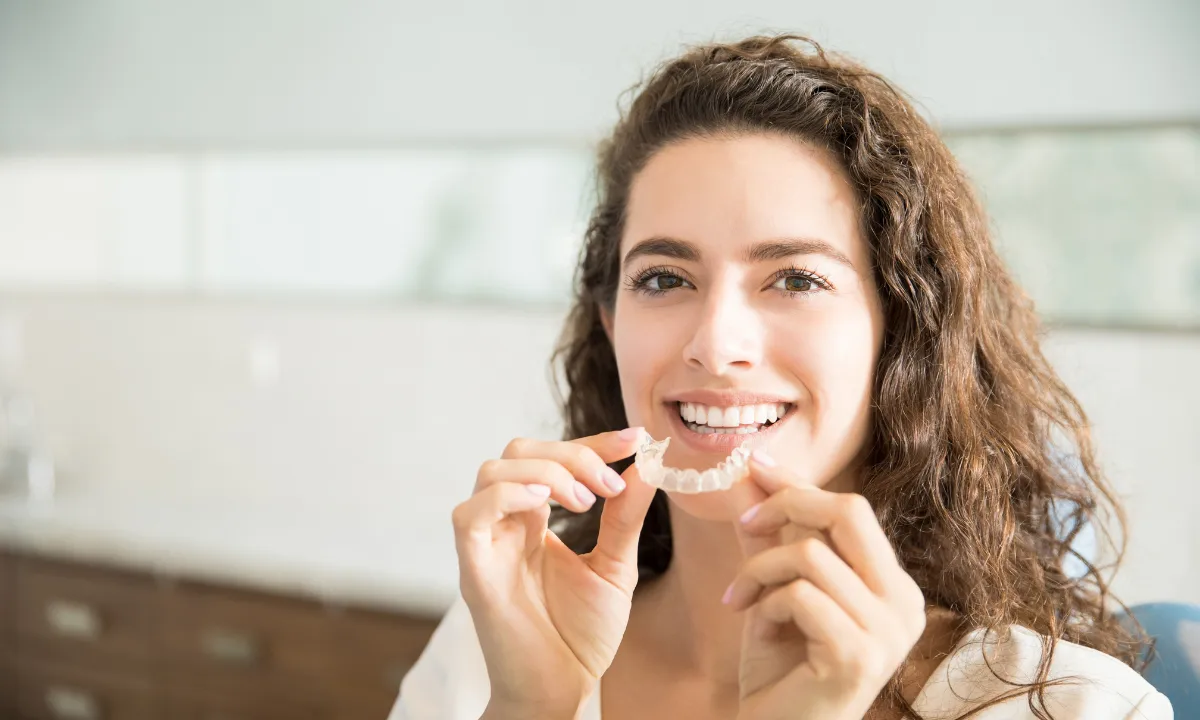
Invisalign / Invisible Braces
Invisalign or clear aligners are removable, transparent trays that progressively shift teeth into the desired position. They are ideal for mild to moderate crowding and are popular among adults and teens seeking discreet treatment. Patients must wear the aligners consistently, typically 20–22 hours per day, and change trays every 1–2 weeks as guided by the orthodontist. Invisalign is effective for correcting minor overbite and underbite, and can be combined with traditional braces in complex cases.
- Cost Range in Australia: $6,000–$9,000 AUD (minor correction from $4,500 AUD)
How Braces Work to Correct Crowding
Braces apply gentle, consistent pressure on teeth to guide them into proper alignment. Over time, bone remodels around the teeth as they move. The process involves several key steps:
- Initial Assessment: The orthodontist evaluates jaw alignment, dental crowding severity, and existing dental conditions such as tooth decay, periodontal disease, or impacted wisdom teeth.
- Appliance Placement: Depending on the type of braces, brackets, wires, or aligners are fitted. Metal and ceramic braces use brackets and wires, while Invisalign uses clear trays.
- Adjustments & Monitoring: Regular visits ensure braces or aligners are moving teeth safely. Adjustments are made to wires, brackets, or tray sequences to optimize progress.
- Post-Treatment Retention: After braces are removed, retainers help maintain alignment and prevent relapse. Both removable and fixed retainers are used depending on patient needs.
Outcome: Corrected tooth misalignment, improved bite function, and reduced risk of tooth decay or gum issues.
Age Considerations for Braces
Children (~7 years)
Early assessment is recommended once the first permanent teeth appear. Orthodontists can identify potential crowding, overbite, or underbite issues early. While not all children require immediate braces, early evaluation allows planning for interceptive orthodontics, which may include expander plates or minor braces to guide jaw growth and prevent severe crowding.
Teens
Teenagers are the most common group receiving braces, as most permanent teeth have erupted and the jaw is still flexible. Braces at this stage effectively correct dental crowding, misalignment, and bite issues. Treatment is usually completed within 12–24 months, depending on complexity. Teen patients benefit from metal braces, ceramic braces, lingual braces, or Invisalign, based on their personal preference and orthodontist recommendation.
Adults
There is no age limit for braces, and many adults seek treatment to correct long-standing crooked teeth, bite irregularities, or post-traumatic dental alignment. While adult bones are less malleable than teen bones, modern orthodontic methods, including Invisalign and lingual braces, are effective for achieving long-lasting results. Adult patients may also require tooth extraction or jaw alignment evaluation for optimal outcomes.
Early Interceptive Orthodontics
Early interceptive treatment is designed for children to address potential alignment problems before they become severe. Techniques include:
- Expander Plates (Removable or Fixed): Gradually widen the jaw to create space for emerging teeth.
- Partial Braces: Address specific crowding issues early.
- Monitoring Jaw Growth: Orthodontists track dental development to reduce the need for extensive treatment later.
Benefit: Reduces treatment duration for permanent braces and improves long-term oral health outcomes.
The Braces Treatment Process
The mechanism by which braces work is called bone remodelling. The orthodontic journey at St Leonards Dental involves several structured steps:
- Consultation: Initial evaluation by an orthodontist, including digital scans, X-rays, and bite analysis.
- Treatment Planning: Based on age, dental crowding, bite issues, and patient goals.
- Appliance Placement: Braces or aligners are fitted carefully.
- Follow-up Visits: Regular adjustments every 4–8 weeks to ensure teeth move according to plan.
- Oral Hygiene Guidance: Instructions on brushing, flossing, and dietary precautions.
- Completion & Retainers: Appliances removed, and retainers fitted to maintain alignment.
Outcome: Straighter teeth, improved bite, reduced risk of tooth decay, and enhanced confidence.
Cost of Braces for Overcrowded Teeth in Australia
The cost of orthodontic treatment varies depending on the type of braces, the complexity of dental crowding, and the patient’s age. At St Leonards Dental, we provide transparent pricing and options to help patients plan their treatment.
Average Cost by Braces Type in Australia:
| Braces Type | Typical Cost Range (AUD) | Notes |
| Metal Braces | $2,000 – $9,000 | Conventional, effective for most cases |
| Ceramic Braces | $5,000 – $8,500 | Tooth-colored, more aesthetic |
| Lingual Braces | Up to $9,000 | Hidden behind teeth, requires a specialist fitting |
| Invisalign / Invisible Braces | $6,000 – $9,000 | Removable, ideal for mild to moderate crowding; minor correction from $4,500 |
Insurance and Payment Options
Many Australian patients manage orthodontic costs through private health insurance, which may cover part of the braces cost under dental extras, subject to annual limits and waiting periods. Interest-free payment plans are often available at clinics, making treatment more accessible. Children may be eligible for government support under the Child Dental Benefits Schedule (CDBS) for basic dental care, although coverage for braces is limited. At St Leonards Dental, our team guides patients on all financing options to suit their budget.
Risks and Side Effects of Braces
While braces are generally safe, patients should be aware of potential side effects:
- Tooth Sensitivity: Mild discomfort is common after adjustments.
- Gum Irritation: Brackets and wires may rub against the gums or cheeks initially.
- Plaque Accumulation: Crowded teeth may trap food; proper brushing and flossing are essential to prevent tooth decay and gingivitis.
- Root Resorption: Rare, but possible; orthodontists monitor through X-rays.
- Relapse: Teeth may shift post-treatment without retainers.
Professional supervision ensures that any complications are managed promptly and effectively.
Caring for Braces
Proper care is vital for successful outcomes and oral health:
- Brushing & Flossing: Use a soft-bristled brush and orthodontic floss daily.
- Avoid Hard or Sticky Foods: Prevent damage to brackets and wires.
- Regular Dental Check-Ups: Routine visits help monitor tooth movement and gum health.
- Use of Fluoride Toothpaste: Protects enamel during treatment.
Following these guidelines minimizes risks and supports efficient alignment of crowded teeth.
Retainers After Braces
Once treatment is complete, retainers maintain the new tooth positions. Retainers may be:
- Fixed: Bonded to the back of teeth for continuous support.
- Removable: Worn as instructed by the orthodontist, usually at night.
Using retainers consistently prevents relapse, maintaining long-term results and the benefits of straighter teeth.
Frequently Asked Questions (FAQ)
How much do braces for overcrowded teeth cost in Australia?
Costs range by type: Metal $2,000–$9,000, Ceramic $5,000–$8,500, Lingual up to $9,000, Invisalign $6,000–$9,000 (minor correction from $4,500).
What is the best age to start braces?
Children can be assessed around 6–7 years, teens are the most common group, and adults can undergo treatment at any age.
Can adults get braces?
Yes. Modern orthodontics allows adults to correct crowding, misalignment, or bite issues safely.
Do braces hurt?
Mild discomfort or pressure is normal, especially after adjustments, but it is temporary.
Are clear aligners better than metal braces?
They are less visible and removable but require patient compliance and are better suited for mild to moderate crowding.
Does private health insurance cover braces?
Partial coverage is possible under dental extras; interest-free plans can assist in managing costs.
Final Thought
Correcting overcrowded teeth improves both oral health and confidence. Choosing the right braces, metal, ceramic, lingual, or Invisalign, depends on age, dental condition, aesthetic preferences, and budget. Professional evaluation ensures safe, effective treatment, addressing overbite, underbite, tooth gaps, and crowding.
At St Leonards Dental, our orthodontists provide thorough assessments, explain all available options, and help patients develop personalized plans with transparent cost estimates and flexible payment options. From children to adults, we offer complete guidance through the treatment process, ensuring straight, healthy teeth and lasting results. Schedule a consultation today to explore the best braces option for your smile.

Those who desire to look better—teenagers and adults—often receive dental work. Children should also begin visiting the dentist early on, Read more

In the world of orthodontics, Invisalign has emerged as a revolutionary alternative to traditional metal braces. This advanced treatment offers Read more
Choosing the right dentist is one of the most important healthcare decisions you’ll make. Whether you're in need of routine Read more
Many patients considering braces or clear aligners want to know one thing before starting treatment: How long will orthodontic treatment Read more