
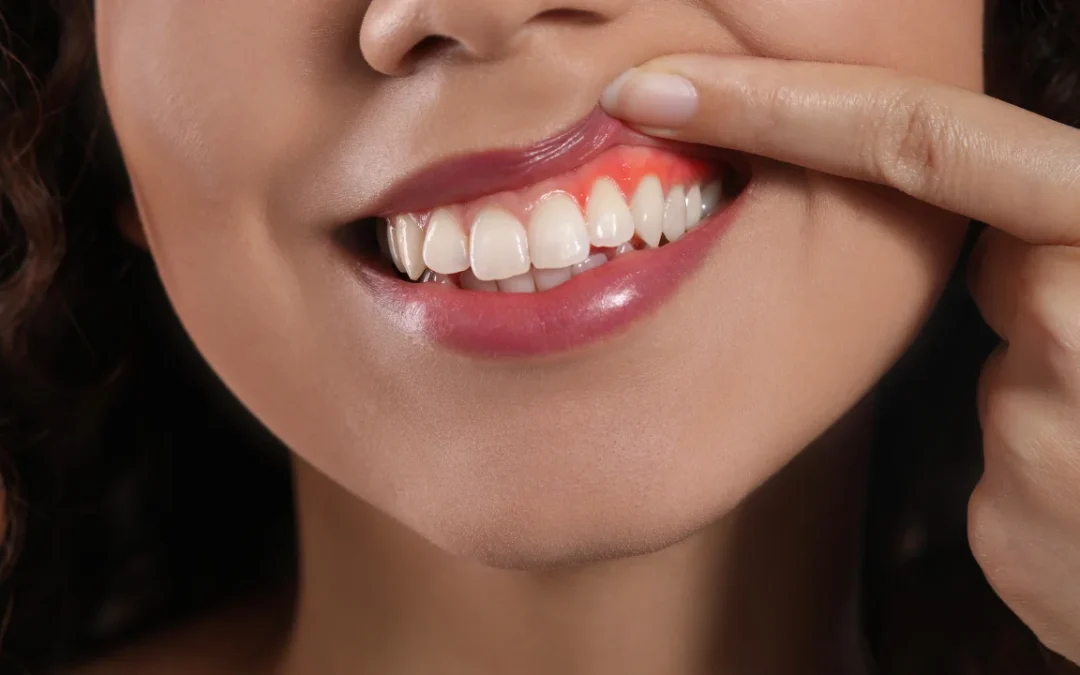
Experiencing sudden, sharp pain while eating ice cream, drinking coffee, or even breathing cold air is a common sign of tooth sensitivity. In many cases, this sensitivity is directly linked to gum recession, a condition where the gum tissue pulls away from the tooth, exposing the tooth roots. Exposed roots lack the protection of enamel, leaving the dentine vulnerable to external stimuli. For Australians struggling with sensitive teeth caused by gum recession, understanding the connection, early signs, and treatment options is essential to prevent further discomfort and long-term damage. At St Leonards Dental, our specialists provide a combination of professional care, non-surgical and surgical interventions, and preventive guidance to protect your smile and reduce sensitivity.
What Is Gum Recession?
Gum recession occurs when the gum tissue gradually moves away from the tooth root, exposing areas normally protected by enamel. The exposed dentine beneath the gumline contains microscopic tubules that connect directly to the tooth nerve, which explains why temperature changes, acidic foods, or even air can trigger sharp tooth sensitivity. Gum recession can affect one tooth or multiple teeth, and it can progress silently, often going unnoticed until sensitivity symptoms appear.
Healthy gums provide a seal around the teeth, protecting both roots and periodontal tissue from bacterial invasion. When this seal is lost, plaque and tartar accumulate more easily, increasing the risk of gingivitis and periodontal disease, which further accelerates gum recession. Understanding this mechanism is the first step toward effective treatment and prevention.
Common Causes of Gum Recession
Several factors can contribute to the development of receding gums, each potentially increasing tooth sensitivity:
- Aggressive Brushing or Hard-Bristled Toothbrushes: Brushing too hard or using a hard toothbrush can wear away gum tissue. Using a soft-bristled toothbrush and gentle circular motions is recommended.
- Poor Oral Hygiene: Insufficient brushing or flossing allows plaque to build up, which can harden into tartar, leading to periodontal disease and gum tissue loss.
- Periodontal Disease / Gingivitis: Bacterial infections destroy supporting gum and bone tissue, exposing tooth roots and increasing sensitivity.
- Genetics: Some individuals naturally have thinner gum tissue, making them more prone to recession.
- Tobacco / Smoking: Tobacco reduces gum tissue health and slows healing, exacerbating recession.
- Misaligned Teeth or Bite Issues: Crowded, crooked, or maloccluded teeth place uneven pressure on gums, contributing to tissue loss.
- Tooth Trauma / Accidents: Injuries can damage gums directly or destabilise teeth, promoting recession.
- Hormonal Changes: Puberty, pregnancy, and menopause can alter gum tissue sensitivity and resilience.
- Acidic Foods and Drinks: Citrus, soft drinks, sports drinks, and vinegar-based foods can erode enamel and irritate exposed dentine, aggravating sensitivity.
- Reflux (GERD): Stomach acid can flow into the mouth, weakening gum tissue and enamel.
Identifying the underlying cause is critical because treatment plans vary depending on whether the recession is mechanical, inflammatory, or due to systemic factors.
How Gum Recession Leads to Sensitive Teeth
The link between gum recession and sensitive teeth is primarily anatomical and physiological:
- Exposed Tooth Roots: As gums recede, the tooth root loses protection from enamel, leaving dentine tubules exposed to external stimuli.
- Dentine Activation: Hot, cold, sweet, or acidic substances stimulate the nerve endings within dentine, causing sharp, fleeting pain.
- Loss of Protective Barrier: Normally, enamel and gums buffer teeth from physical and chemical stress. Recession removes this barrier, making teeth more reactive.
- Plaque and Tartar Accumulation: The newly exposed root surface is more susceptible to bacterial buildup, further irritating nerves and accelerating sensitivity.
Patients often notice discomfort when drinking cold beverages, brushing, or consuming acidic foods. Left untreated, the condition can worsen, leading to advanced periodontal disease, increased root exposure, and sometimes tooth loss.
Signs & Symptoms of Gum Recession and Sensitive Teeth
Recognising early signs of gum recession and tooth sensitivity is critical for preventing further damage. The most common symptom is sharp or fleeting pain when consuming hot, cold, sweet, or acidic foods and drinks. This discomfort occurs because exposed tooth roots and dentine tubules transmit stimuli directly to the nerve endings. Visually, patients may notice their teeth appear longer than usual or see a notch at the gum line where the gum tissue has receded. Other indicators include red or inflamed gums, bleeding during brushing or flossing, and plaque or tartar accumulation near the exposed roots. In severe cases, the affected teeth may feel loose or more susceptible to decay, emphasising the need for timely intervention.
At-Home Care for Sensitive Teeth from Gum Recession
Proper daily care can help manage sensitivity and slow the progression of gum recession. Start by using a soft-bristled toothbrush to avoid further abrasion to exposed roots and enamel. Brushing gently in circular motions ensures effective cleaning while protecting delicate gum tissue. Flossing daily removes plaque from between teeth and near the gumline, preventing further inflammation. Incorporating fluoride treatments at home or professionally can strengthen enamel and reduce dentine sensitivity. Patients should also avoid over-brushing and limit intake of acidic foods and drinks like citrus, soft drinks, fruit juices, and vinegar-based dressings, which can exacerbate sensitivity and enamel erosion.
Desensitising Toothpaste
Toothpaste for sensitive teeth is a highly effective at-home tool for managing discomfort caused by gum recession. Products containing potassium nitrate or stannous fluoride work by either blocking the nerve signals in dentine or forming a protective layer over exposed roots. Popular options include Sensodyne and Colgate Active Prevention toothpaste, which can provide relief when used consistently. For additional enamel protection, patients may use MI Paste or MI Paste Plus, which strengthens teeth and helps restore mineral loss, or hydroxyapatite toothpastes like Toothmousse Plus for coating exposed dentine and reducing sensitivity over time. Regular use of these products, in combination with proper brushing and flossing, significantly decreases sensitivity and protects the underlying tooth structure.
Lifestyle Adjustments for Managing Sensitivity
Small changes in daily habits can greatly reduce sensitivity associated with gum recession. Avoid biting hard foods directly with exposed roots and reduce consumption of acidic foods and beverages. For patients experiencing reflux (GERD), managing stomach acid through diet or medication can prevent further erosion of enamel and irritation of exposed dentine. Tobacco cessation is also critical, as smoking compromises gum health and delays healing. Drinking water after consuming acidic or sugary foods can help neutralise acids, and using a straw for acidic beverages minimises contact with vulnerable areas. Implementing these adjustments alongside proper oral hygiene strengthens the effectiveness of home treatments and slows the progression of recession.
Professional Evaluation and Treatment
While at-home care can alleviate symptoms, professional evaluation is essential for long-term management of gum recession and sensitive teeth. A periodontal evaluation identifies the extent of tissue loss, root exposure, and underlying periodontal disease or gingivitis. Treatments such as scaling and root planing remove plaque and tartar below the gumline, promoting gum reattachment and reducing sensitivity. For severe cases, gum grafting restores lost tissue over exposed roots, protecting dentine and alleviating discomfort. Minimally invasive options like the Pinhole Surgical Technique (PST) allow repositioning of gum tissue without sutures, accelerating recovery and reducing post-operative sensitivity. Additionally, procedures like bonding can cover exposed roots, providing immediate relief while improving aesthetics.
At St Leonards Dental, our specialists combine fluoride varnish, professional desensitising treatments, and personalised care plans to treat sensitivity at its source. Regular follow-ups ensure that treatment outcomes are monitored, and preventive strategies are reinforced to maintain long-term oral health.
Advanced Treatments for Gum Recession and Sensitive Teeth
For patients with moderate to severe gum recession, professional interventions are often required to restore gum coverage, protect exposed tooth roots, and relieve tooth sensitivity. One commonly used method is gum grafting, where tissue is taken from the palate or donor material and placed over the receded area. This protects the dentine from external stimuli and improves gum aesthetics.
Another innovative option is the Pinhole Surgical Technique (PST), a minimally invasive procedure that repositions gum tissue without sutures or grafts. PST allows multiple teeth to be treated in one session, reduces recovery time, and provides immediate relief from sensitivity. Additionally, bonding may be applied to cover exposed roots, offering temporary or adjunctive protection while the gums heal. These advanced treatments, combined with professional fluoride varnish applications, reinforce enamel, reduce sensitivity, and improve long-term oral health outcomes.
Long-Term Care After Gum Recession Treatment
After any treatment, maintaining results is critical. Regular dental check-ups allow your dentist to monitor gum health and detect early signs of recurrence. Daily oral hygiene practices, including gentle brushing with a soft-bristled toothbrush, flossing, and using toothpaste for sensitive teeth with potassium nitrate or stannous fluoride, help maintain gum coverage and prevent further dentine exposure. Products like MI Paste Plus or hydroxyapatite toothpastes provide additional enamel protection. Avoiding acidic foods and drinks, managing reflux (GERD), and quitting tobacco use support the longevity of treatment outcomes.
Preventive Strategies for Sensitive Teeth Due to Gum Recession
Preventing gum recession or worsening sensitivity involves both daily care and lifestyle adjustments:
- Brush gently using a soft-bristled toothbrush to avoid abrasion of gum tissue.
- Floss daily to remove plaque and prevent tartar buildup near the gum line.
- Avoid consuming highly acidic foods and drinks frequently.
- Schedule regular professional dental cleanings and check-ups.
- Quit smoking or using tobacco products.
- Wear protective devices, such as mouthguards, if you grind your teeth.
Implementing these strategies can slow the progression of recession, minimise tooth sensitivity, and support healthy gum tissue.
Risk Factors That Increase Gum Recession and Sensitivity
Certain factors increase the likelihood of developing sensitive teeth from gum recession:
- Aggressive brushing and improper technique
- Poor oral hygiene, leading to plaque and tartar buildup
- Periodontal disease or gingivitis
- Tobacco or smoking
- Hormonal changes (puberty, pregnancy, menopause)
- Misaligned or crooked teeth/bite issues
- High intake of acidic foods and drinks
- Reflux (GERD) causes enamel and gum irritation
Understanding these risk factors helps patients take proactive measures to reduce sensitivity and prevent further recession.
Frequently Asked Questions (FAQ)
Will my sensitive teeth improve if gum recession is not treated?
Sensitivity may temporarily decrease with desensitising toothpaste, but without treating gum recession, the underlying cause remains, and symptoms often worsen over time.
Can gum recession heal naturally?
Minor recession may stabilise with proper hygiene, but significant tissue loss generally requires professional intervention, such as gum grafting or PST.
How effective are desensitising toothpastes like Sensodyne?
Toothpaste containing potassium nitrate or stannous fluoride can significantly reduce sensitivity by blocking nerve pathways or strengthening exposed dentine.
Does eating acidic foods worsen sensitivity?
Yes. Citrus, soft drinks, fruit juice, apple cider vinegar, and sports drinks can erode enamel and aggravate exposed roots.
Is surgical treatment painful?
Modern techniques, including Pinhole Surgical Technique, minimise discomfort and speed recovery, with most patients experiencing immediate relief from sensitivity.
How can I protect my teeth after treatment?
Gentle brushing, flossing, regular dental check-ups, and professional fluoride treatments help maintain gum coverage and enamel strength.
Final Thought
Gum recession and sensitive teeth are closely connected due to the exposure of tooth roots and dentine. Left untreated, sensitivity can worsen, and oral health may be compromised. Early detection, effective at-home care using toothpaste for sensitive teeth, fluoride treatments, and lifestyle adjustments can reduce discomfort. However, advanced professional treatments such as gum grafting, Pinhole Surgical Technique (PST), and bonding provide lasting relief and restore gum coverage.
At St Leonards Dental, our specialists evaluate each case, provide professional care for gum recession and sensitivity, and guide patients through preventive strategies and treatment options. By combining clinical expertise with patient-focused home care guidance, we help Australians achieve long-term gum health and reduce tooth sensitivity, protecting both the function and aesthetics of their smile. Schedule a consultation today to address sensitive teeth and receding gums before they progress.


