
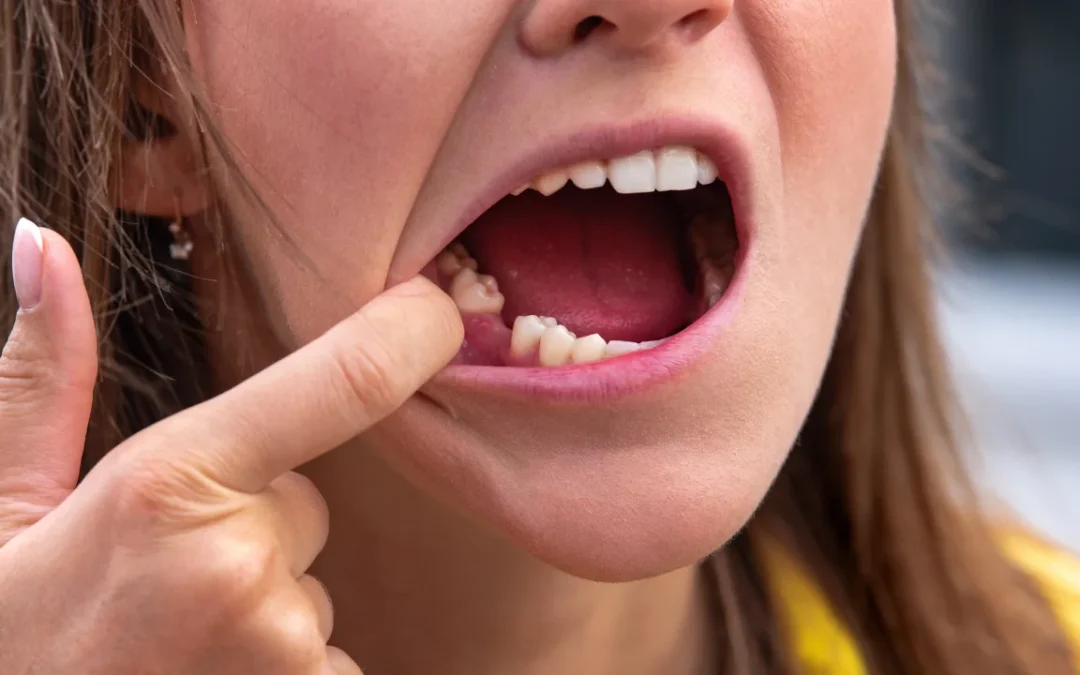
Experiencing pain after a tooth extraction is normal, but sometimes the discomfort can signal a complication called dry socket (alveolar osteitis). This condition occurs when the protective blood clot at the extraction site is dislodged or fails to form, leaving the underlying bone and nerves exposed. The result is intense, throbbing pain that may radiate to the ear, jaw, temple, or side of the face. Dry socket can also cause bad breath, an unpleasant taste, swelling, and delayed healing. For patients in Australia who have recently undergone tooth extraction, particularly wisdom teeth removal, recognising early symptoms and knowing how to manage them is crucial to avoid prolonged discomfort or infection. At St Leonards Dental, our team specialises in post-extraction care, ensuring proper healing and offering professional guidance for managing complications like dry socket.
Understanding Dry Socket (Alveolar Osteitis)
A dry socket is a common post-extraction complication that occurs in approximately 2–5% of all tooth removals, with higher rates after wisdom teeth (third molars) extractions. When a tooth is removed, the body forms a blood clot over the surgical site. This clot acts as a protective barrier, shielding the exposed bone and nerves and creating a foundation for proper socket healing. If this clot is dislodged or dissolves too early, the bone becomes exposed, leading to intense, throbbing pain that is often disproportionate to normal post-surgical discomfort.
Patients may notice the pain intensifying around 2–3 days after extraction, sometimes spreading to nearby areas, including the ear, temple, or jaw. Additional symptoms often include a bad taste or foul odor, visible exposed bone, and swelling or irritation around the surgical site. Unlike regular post-extraction discomfort, the pain from dry socket usually does not respond to standard over-the-counter pain medication, making early recognition and dental evaluation essential. We provide careful monitoring after tooth removal and employ techniques like medicated dressings, antibacterial rinses, and if needed, advanced therapies like Low Level Laser Therapy (LLLT) or Concentrated Growth Factor (CGF) treatments to support faster healing and pain relief.
Causes of Dry Socket
Dry socket develops due to the loss or disruption of the protective blood clot in the extraction site. Several factors can contribute to this complication, including:
- Trauma during extraction: Difficult or prolonged extractions, especially of impacted wisdom teeth, increase the risk of clot loss.
- Bacterial contamination: Pre-existing tooth or gum infections can interfere with normal healing and clot formation.
- Smoking or tobacco use: Nicotine constricts blood vessels and introduces chemicals that impair healing.
- Hormonal factors: Women using birth control pills (high estrogen) may have a slightly higher risk due to hormonal influences on clot stability.
- Improper at-home care: Actions like rinsing vigorously, spitting, using straws, or touching the surgical site can dislodge the clot.
- Previous history of dry socket: Patients who have experienced dry socket before are at increased risk in subsequent extractions.
Other contributing factors can include bruxism (teeth grinding), certain medications like bisphosphonates, alcohol consumption, and immune-compromised conditions. Understanding these causes is vital for both prevention and timely management. By identifying patients at higher risk, dental professionals can offer personalised post-extraction guidance, use antiseptic solutions, and prescribe oral antibiotics if necessary, ensuring the surgical site heals without complications.
Symptoms of Dry Socket
Recognising the symptoms of dry socket early is critical to managing pain and preventing tooth extraction complications. While some discomfort after tooth extraction is normal, dry socket presents distinct signs that differentiate it from routine post-operative healing.
Common symptoms include:
- Severe, throbbing pain at the extraction site: Unlike typical post-surgical soreness, dry socket pain is intense, deep, and often radiates to the ear, temple, jaw, or neck. The pain may worsen over the first 2–4 days after extraction instead of gradually improving.
- Exposed bone or hollow socket: A missing blood clot leaves the underlying bone visible in the tooth socket, which may appear dry or discolored.
- Foul odor or bad breath: The exposed socket can accumulate bacteria, resulting in a noticeable bad taste or unpleasant smell.
- Swelling and irritation: Surrounding gum tissue may become inflamed, making chewing and speaking uncomfortable.
- Delayed healing: Recovery takes longer than expected, and pain does not respond well to standard over-the-counter pain relief.
Patients may also experience discomfort when eating cold foods or a metallic taste in the mouth. These symptoms often signal the need for a dental evaluation to prevent infection and facilitate healing. At St Leonards Dental, our team provides thorough post-extraction checks, ensuring that early signs of dry socket are addressed immediately.
Dry Socket vs Normal Healing
Distinguishing dry socket from normal post-extraction discomfort is essential for appropriate care. While mild pain, swelling, and tenderness are expected after tooth removal, dry socket presents more intense and prolonged symptoms.
The following table highlights the key differences:
| Feature | Normal Healing | Dry Socket (Alveolar Osteitis) |
| Pain onset | Immediate to Day 1–2, gradually easing | Day 2–4, worsening instead of improving |
| Pain type | Mild to moderate, responds to OTC painkillers | Severe, throbbing, radiates to ear/jaw/temple/neck |
| Blood clot | Present, covers socket | Missing or dislodged |
| Socket appearance | Healthy tissue, clot visible | Hollow or bone exposed |
| Odor / taste | Rare, mild | Foul odor, metallic or unpleasant taste |
| Swelling | Mild, subsides after 2–3 days | Moderate to severe, may persist |
Understanding this comparison helps patients recognise when pain is no longer typical and requires professional attention. St Leonards Dental emphasises early diagnosis and intervention to minimise discomfort and ensure proper socket healing.
Warning Signs: When to See a Dentist
Knowing when to contact a dentist can prevent dry socket from escalating into a more serious complication. While mild pain and swelling are normal, the following warning signs indicate that professional care is necessary:
- Pain intensifies after 2–3 days rather than improving.
- Severe throbbing pain that radiates to the ear, temple, or jaw.
- Visible bone or an empty socket at the extraction site.
- Persistent bad breath or unpleasant taste that doesn’t resolve.
- Pain unresponsive to over-the-counter medications.
- Swelling, redness, or signs of infection, such as fever or pus.
Immediate dental evaluation can prevent infection, accelerate healing, and reduce the overall recovery time. Our team uses medicated dressings, gentle socket cleaning, and pain management to address dry socket effectively. In certain cases, advanced dry socket treatment like Low Level Laser Therapy (LLLT) or Concentrated Growth Factor (CGF) applications are offered to support faster tissue regeneration and comfort.
Risk Factors for Dry Socket
Some patients are more prone to developing dry socket due to specific risk factors. Awareness of these factors helps both patients and dentists implement preventive measures:
- Smoking or tobacco use: Constricts blood flow, delays healing, and increases the risk of clot loss.
- Use of straws or forceful rinsing: Suction can dislodge the protective clot.
- Hormonal factors: Women taking birth control pills (high estrogen) may have slightly higher susceptibility.
- Difficult or traumatic extractions: Especially impacted wisdom teeth or lower jaw molars.
- Poor oral hygiene: Pre-existing tooth or gum infections can compromise healing.
- Previous history of dry socket: Patients who have experienced it before are at a higher risk in future extractions.
- Medications or medical conditions: Bisphosphonates, radiation therapy, or immune-compromised states.
- Improper post-surgery care: Smoking, vigorous rinsing, touching the extraction site, or eating hard foods too early.
Our clinicians evaluate each patient’s risk before tooth extraction and provide comprehensive post-operative care instructions, including antibacterial mouthwashes, gentle cleaning techniques, and activity restrictions to minimise the chances of dry socket.
Treatment and Pain Relief for Dry Socket
Once dry socket is diagnosed, timely dental intervention is essential to relieve pain and promote healing. At St Leonards Dental, our team provides professional care to reduce discomfort and prevent further complications.
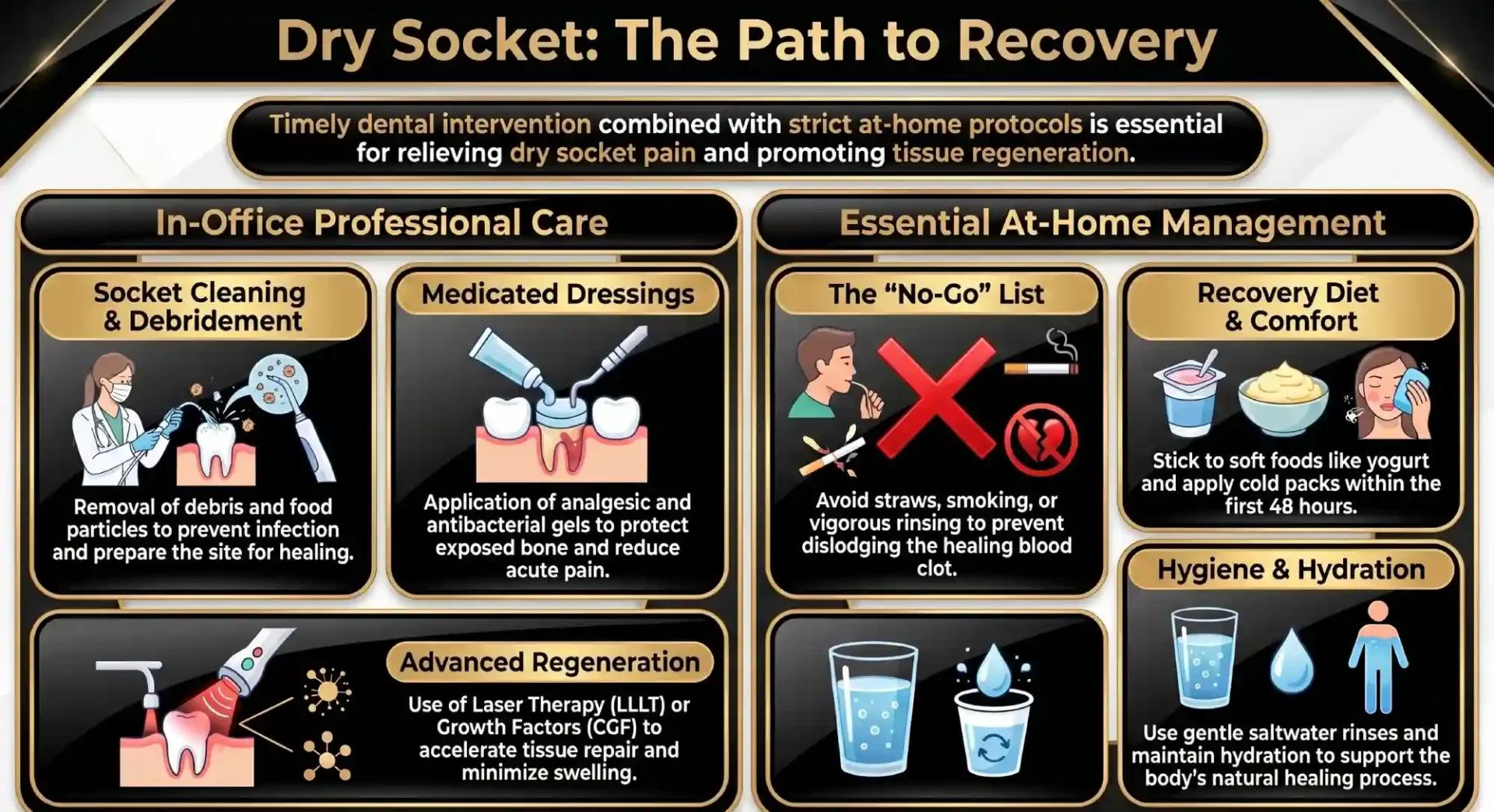
In-Office Treatment
- Socket Cleaning and Debridement: The dentist carefully removes any debris or food particles from the tooth socket to prevent infection.
- Medicated Dressings: Analgesic and antibacterial gels or packs are applied directly to the surgical site, protecting the exposed bone and reducing pain. These dressings are usually replaced every 24–48 hours until healing progresses.
- Pain Management: For severe discomfort, prescription painkillers may be recommended alongside standard over-the-counter medications.
- Advanced Therapies: Treatments such as Low Level Laser Therapy (LLLT) or Concentrated Growth Factor (CGF) can support tissue regeneration, accelerate healing, and minimise swelling.
At-Home Pain Relief
While professional care is vital, patients can follow several measures at home to manage symptoms:
- Take pain medications exactly as prescribed.
- Apply cold packs during the first 24–48 hours to reduce swelling, followed by warm compresses if needed.
- Consume soft foods such as yogurt, mashed potatoes, or soup to avoid irritating the extraction site.
- Avoid straws, vigorous rinsing, or touching the socket to protect the blood clot and medicated dressings.
- Maintain hydration and gentle oral hygiene, using saltwater rinses or antibacterial solutions as instructed.
- Tobacco cessation for at least 48 hours after extraction significantly reduces the risk of worsening dry socket.
By combining professional treatment with careful at-home care, patients can achieve faster relief and safer recovery.
Prevention and Post-Operative Care
Preventing dry socket starts even before tooth extraction. At St Leonards Dental, we focus on prevention strategies tailored to each patient’s needs:
- Pre-Surgery Measures
- Consult with an experienced dentist or oral surgeon to evaluate risk factors.
- Maintain good oral hygiene through brushing and flossing.
- Review medications, supplements, or health conditions that may affect healing.
- Consider antibacterial mouthwashes or gels before surgery for high-risk patients.
- Post-Surgery Care
- Rest and limit physical activity for the first 24–48 hours.
- Follow a soft-food diet to avoid disturbing the clot.
- Use cold or warm packs as directed to manage swelling.
- Take pain relief as prescribed, and avoid aspirin, which may increase bleeding.
- Do not smoke or use tobacco for at least 48 hours after extraction.
- Perform gentle oral cleaning with saltwater rinses or antiseptic solutions, avoiding the socket directly.
- Attend follow-up appointments for evaluation and possible medicated dressing adjustments.
By adhering to these preventive measures, the chances of developing dry socket are significantly reduced, ensuring smooth socket healing and patient comfort.
Healing Timeline and Recovery
Understanding the typical healing process helps patients know what to expect and identify any abnormal signs:
| Timeframe | What to Expect |
| 24–48 hours | Normal swelling, mild discomfort; protective blood clot stabilises. |
| Day 2–4 | Watch for severe or worsening pain; potential dry socket onset. |
| Day 3–7 | Swelling should gradually reduce; medicated dressing may be applied if dry socket occurs. |
| Weeks 2–4 | Surface tissue healing continues; most discomfort should resolve. |
| 3–4 months | Complete bone healing; socket fully integrates with surrounding tissue. |
Early recognition of dry socket symptoms, especially pain that intensifies rather than improves, is crucial. Timely professional care can shorten recovery and prevent prolonged discomfort.
Frequently Asked Questions (FAQs)
1. How long does dry socket pain last?
Dry socket pain typically lasts 5–10 days, depending on severity and treatment. Early professional intervention can reduce this timeframe significantly.
2. Can a dry socket heal on its own?
While minor cases may improve naturally, professional treatment ensures faster relief, prevents infection, and reduces prolonged discomfort.
3. How can I tell if my pain is normal?
Normal post-extraction pain gradually improves over 1–2 days and responds to over-the-counter medications. Pain that intensifies, radiates, or persists beyond 2–3 days may indicate dry socket.
4. What foods are safe after tooth extraction?
Soft foods like yogurt, mashed potatoes, applesauce, soup, and smoothies are ideal. Avoid hard, crunchy, or sticky foods that may disturb the clot.
5. Can smoking or straws cause dry socket?
Yes. Smoking, vaping, or using straws can dislodge the protective blood clot, increasing the risk of dry socket.
6. When should I see a dentist?
If pain worsens after the first 2 days, is severe, or is accompanied by foul odor, visible bone, or swelling, seek immediate dental evaluation.
Final Verdict
Dry socket is a painful but manageable condition after tooth extraction or wisdom teeth removal. By understanding symptoms, risk factors, prevention strategies, and treatment options, patients can recover comfortably and avoid prolonged complications. At St Leonards Dental, our team provides expert care including post-extraction monitoring, medicated dressings, advanced therapies, and patient guidance to ensure safe and efficient healing. Following professional advice and proper at-home care is key to a smooth recovery and maintaining long-term oral health.


