
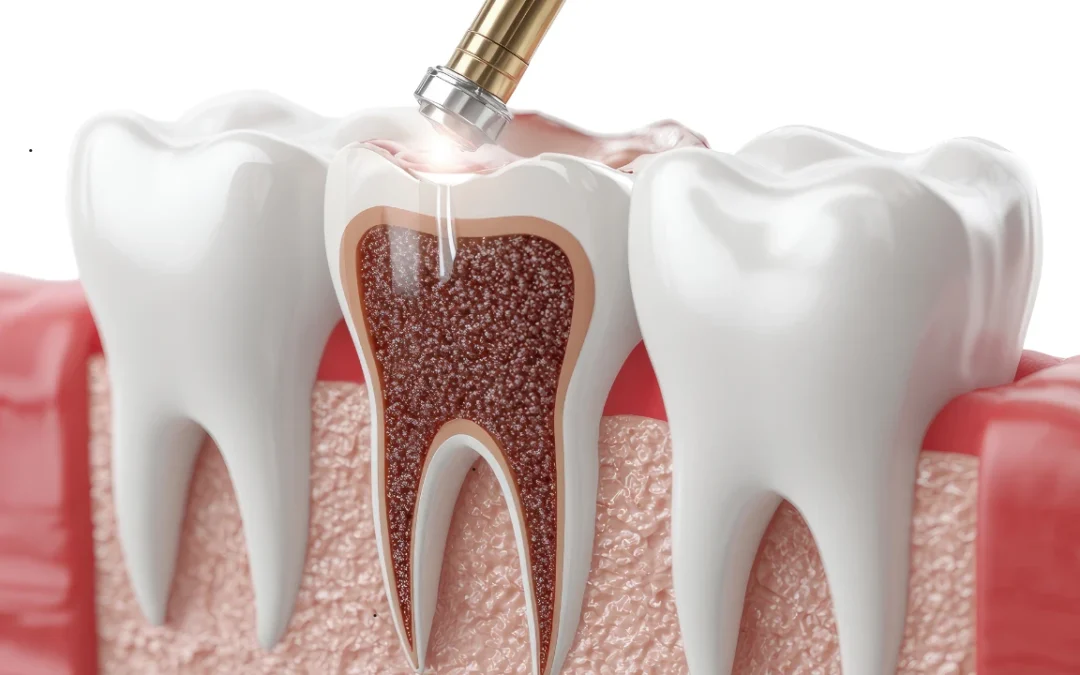
Losing a dental filling can be more than just a minor inconvenience; it’s an urgent situation that demands your attention to prevent further damage to your tooth. Whether you’re dealing with a temporary or permanent filling, acting quickly can make all the difference. If a filling falls out, it leaves the exposed tooth vulnerable to decay, infection, and sensitivity, which can lead to a host of dental issues if not promptly addressed.
If you’re in Australia and have lost a filling, don’t panic. You don’t have to wait for pain or discomfort to worsen before taking action. This guide will walk you through what to do immediately after losing a filling, the differences between temporary and permanent fixes, and why prompt dental care is crucial to maintaining your oral health. We’ll also cover why it’s vital to visit a professional like St Leonards Dental for an effective, long-term solution.
What Happens When a Filling Falls Out?
Losing a dental filling is not uncommon, but it should never be ignored. When a filling falls out, the underlying tooth becomes exposed to the elements, including food particles, bacteria, and temperature fluctuations. This can lead to heightened sensitivity and discomfort, especially when eating hot, cold, or sweet foods. Additionally, the open cavity may increase the risk of further tooth decay and even an infection.
Without a proper seal, the tooth becomes more susceptible to bacterial growth, which can contribute to tooth decay. In severe cases, this can lead to further structural damage or even tooth extraction if the damage becomes irreparable.
What happens if you don’t fix a lost filling right away?
- Increased risk of decay: The exposed cavity attracts more bacteria.
- Pain and sensitivity: Without protection, your tooth will be sensitive and painful, especially when eating.
- Worsening of the condition: What may start as a minor problem can escalate into a serious dental issue.
When a filling falls out, the best thing you can do is address it as soon as possible. Delaying action can lead to more extensive dental procedures, costing you both time and money.
Why You Shouldn’t Ignore a Lost Filling
Ignoring a lost filling is never a good idea. You might think the problem can be postponed, but the longer you wait, the worse it can get. Here are some reasons why:
- Tooth sensitivity and pain: A lost filling exposes the inner soft tissue of your tooth, making it more sensitive to external stimuli like hot or cold foods and beverages.
- Increased risk of infection: The tooth becomes more vulnerable to bacterial growth, which can lead to serious infections, such as abscesses.
- Fracture or further deterioration: If not protected, the tooth may crack or fracture, requiring more complex treatments such as root canal therapy or extraction.
What happens if you wait too long to fix a lost filling?
- Fracturing of the tooth: The tooth can become brittle and break, causing significant pain and requiring more extensive treatments.
- Unrestorable tooth: In some cases, the tooth may deteriorate to the point where it can no longer be saved, necessitating extraction.
- Severe infection: Bacteria entering the exposed cavity can lead to abscesses, which are painful and often require root canal therapy to resolve.
Therefore, it’s critical to seek professional dental care as soon as possible after a filling falls out. At St Leonards Dental, we offer prompt and effective solutions to prevent further damage and protect your smile.
Temporary Solutions: How to Handle a Lost Filling at Home
When you lose a filling, the first instinct might be to rush to the dentist immediately. While seeking professional care should always be a priority, temporary fixes can provide short-term relief and protect your tooth until your dentist can see you. Here are the most common and effective methods to handle a lost filling at home:
Step 1: Use Dental Wax for Protection
One of the quickest ways to protect an exposed tooth is to use dental wax, which is available at most pharmacies. Dental wax can be gently moulded to cover the cavity left by the lost filling. This creates a temporary barrier between your tooth and external factors such as food or bacteria. It will also reduce the tooth’s sensitivity when chewing or speaking. However, keep in mind that this is not a permanent solution, and the wax should be removed before your dental appointment to properly replace the filling.
Step 2: Temporary Filling Kits
Temporary filling kits are another option for filling the cavity. These kits typically contain a paste or material that hardens when it comes into contact with moisture. These materials are designed to act as a temporary barrier and keep the exposed tooth safe from further decay and sensitivity. It’s important to follow the instructions on the kit carefully, as improper use may lead to complications. These kits are designed to last only a few days, so you must make an appointment with your dentist as soon as possible.
Step 3: Clove Oil for Pain Relief
If you’re experiencing pain, clove oil is a natural remedy that can temporarily numb the area and reduce discomfort. Clove oil contains eugenol, which has pain-relieving and antibacterial properties. Apply a small amount to a cotton ball and gently press it against the affected tooth. This will help soothe the pain until you can receive a permanent solution.
Step 4: Over-the-Counter Pain Medications
Pain relief from a lost filling can often be managed with over-the-counter (OTC) medications like ibuprofen or paracetamol. These medications not only reduce pain but can also help control any swelling that may occur due to the exposure of the tooth. However, remember that pain medications only mask the problem temporarily and should not be considered a substitute for professional dental care.
Important Note: Temporary solutions like dental wax, filling kits, and clove oil are designed to protect your tooth for a short period. These measures should never replace a visit to the dentist for a professional, long-term solution.
The Risks of Using Temporary Fixes and Why You Need a Permanent Solution
While temporary fixes can provide relief and protection, they are by no means a long-term soluti
on. Using dental wax or a temporary filling might shield the tooth from further damage for a short while, but it doesn’t restore the tooth’s full functionality or prevent the underlying issues from worsening. Here’s why it’s essential to transition to a permanent filling:
Risk 1: Further Tooth Decay
Temporary fillings and seals don’t offer the same level of protection as permanent fillings. Bacteria can still enter the cavity, leading to further tooth decay. Over time, the untreated cavity can grow deeper and cause more severe damage that may require extensive treatments like a root canal.
Risk 2: Increased Sensitivity
Temporary fillings may reduce some pain, but they don’t always protect the tooth completely from temperature changes. Cold and hot foods or drinks might still cause discomfort, making it harder to eat and drink normally. Only a permanent filling will restore your tooth to its natural state, reducing sensitivity.
Risk 3: Potential for Fracture
If left untreated for too long, the tooth may begin to crack or fracture due to external pressure from chewing or biting. This can lead to the need for even more invasive treatments, including a crown or root canal therapy. With a permanent filling, the integrity of the tooth is restored, and the chances of further damage are minimised.
Risk 4: Inability to Fix the Problem Long-Term
While temporary fillings can protect the tooth in the short term, they are not designed to withstand the forces of chewing and grinding for long periods. These materials can wear down quickly and may even fall out before your scheduled dental appointment, exposing your tooth once again. A permanent solution, such as a composite or amalgam filling, provides long-lasting protection.
The Role of a Permanent Filling
A permanent filling restores the tooth’s structure and functionality. Whether you opt for a composite (tooth-colored) filling or a more durable amalgam filling, the professional-grade materials used in permanent fillings ensure that the cavity is completely sealed and protected from decay and bacteria. Permanent fillings also blend with the natural color of your teeth, offering an aesthetically pleasing solution that will last for years.

How Dentists Replace a Lost Filling: What You Can Expect
If you’ve lost a filling, visiting your dentist for a replacement is the most important step to restore your tooth to its original health and function. Here’s what you can expect during your appointment at St Leonards Dental:
Step 1: Assessment of the Tooth
Your dentist will begin by thoroughly examining the exposed tooth to assess the extent of any damage. This could involve taking an X-ray to determine if any decay has formed beneath the filling or if the tooth structure has been compromised.
Step 2: Cleaning the Cavity
Before placing a new filling, the dentist will clean out any remaining decay or debris from the cavity. This ensures that the new filling will bond securely to the tooth and prevent future problems.
Step 3: Filling the Cavity
Once the cavity is prepared, your dentist will apply the appropriate filling material. The choice of material will depend on the location of the filling, the size of the cavity, and your personal preferences. Common options include:
- Composite Fillings: These are tooth-colored fillings that blend seamlessly with your natural teeth. They’re ideal for visible areas and offer excellent durability.
- Amalgam Fillings: Made from a mixture of metals, amalgam fillings are known for their strength and are typically used for back teeth that undergo heavy chewing.
- Dental Crowns: If the tooth is severely damaged, your dentist may recommend a dental crown for more extensive protection.
Step 4: Shaping and Polishing the Filling
After the filling is in place, your dentist will shape it to fit comfortably in your mouth. They will also polish the filling to ensure it feels smooth and natural when you bite down.
Step 5: Aftercare Instructions
Once the new filling is in place, your dentist will provide you with aftercare instructions. This may include avoiding hard or sticky foods for the first 24 hours and maintaining good oral hygiene to prevent further decay. Regular dental check-ups will help ensure that the filling remains intact and that your oral health is in top condition.
At St Leonards Dental, we prioritise comfort and precision in every procedure, ensuring that your filling replacement is both effective and minimally invasive.
Aftercare Tips for a New Filling: Maintaining Your Tooth’s Health
Once you have a new filling in place, it’s crucial to take good care of it to ensure it lasts as long as possible. Fillings are designed to restore the function and structure of your tooth, but without proper maintenance, they can still wear down over time. Here are some aftercare tips to help maintain the longevity of your new filling and protect your overall oral health:
Step 1: Maintain Good Oral Hygiene
Good oral hygiene is essential in keeping your fillings intact and preventing further tooth decay. Brush your teeth at least twice a day using a soft-bristled toothbrush and fluoride toothpaste to remove plaque and food particles. Be gentle around the filled area to avoid dislodging the filling.
Step 2: Floss Regularly
Flossing is just as important as brushing when it comes to maintaining fillings. Flossing removes food particles and plaque from between your teeth and around the filling. However, you should be gentle around the newly filled tooth. If you find flossing difficult near the filling, consult your dentist for advice on how to floss effectively without damaging the filling.
Step 3: Avoid Hard, Sticky, or Chewy Foods
Although your new filling should feel like a natural part of your tooth, it’s important to avoid foods that could potentially damage it. Hard, sticky, or chewy foods such as caramel, toffee, or ice can put unnecessary pressure on your filling, causing it to crack or loosen. It’s best to avoid chewing on the side where your filling is located, especially within the first 24 hours after the procedure.
Step 4: Use a Mouthguard if You Grind Your Teeth
If you have a habit of grinding or clenching your teeth (also known as bruxism), it’s important to wear a mouthguard, especially at night. Teeth grinding puts excessive pressure on your fillings and can lead to cracks or even the loss of the filling. A custom-fitted mouthguard from your dentist can help protect both your teeth and fillings.
Step 5: Regular Dental Checkups
Even with proper at-home care, regular dental visits are crucial for maintaining the health of your teeth and fillings. During your routine checkups, your dentist will examine your fillings for any signs of wear or damage and perform professional cleanings to remove plaque buildup. Regular checkups also help catch any potential issues before they become serious problems, saving you time and money in the long run.
What If the Tooth Is Beyond Repair?
In some cases, a tooth may be too damaged by decay, fractures, or a lost filling to be restored with a simple filling. When this happens, more advanced treatments may be necessary to preserve your oral health. If the damage is severe, tooth extraction may be the only viable option. This procedure involves removing the damaged tooth to prevent further pain, infection, or complications. After extraction, we recommend a dental implant or bridge to restore the functionality of the missing tooth.
Implants involve inserting a titanium post into the jawbone as a replacement root, topped with a crown, while bridges connect a replacement tooth to the adjacent teeth.
For teeth that are damaged but still salvageable, a dental crown may be placed to provide strength and protection. Crowns are custom-fitted and made from durable materials like porcelain or metal. While these treatments can be necessary, regular checkups and preventive care at St Leonards Dental can help identify potential issues early, minimising the need for complex procedures in the future.
Conclusion: Take Action Today for Long-Term Oral Health
Losing a filling is a dental emergency that requires prompt attention. Whether you use temporary fixes at home or seek professional care immediately, taking action is crucial to protect your tooth and overall oral health. At St Leonards Dental, we offer expert care and quick solutions for all your dental needs, from temporary fillings to permanent restorations. If you’ve lost a filling, don’t wait for the problem to worsen. Contact us today to schedule an appointment and ensure that your smile stays healthy for years to come.
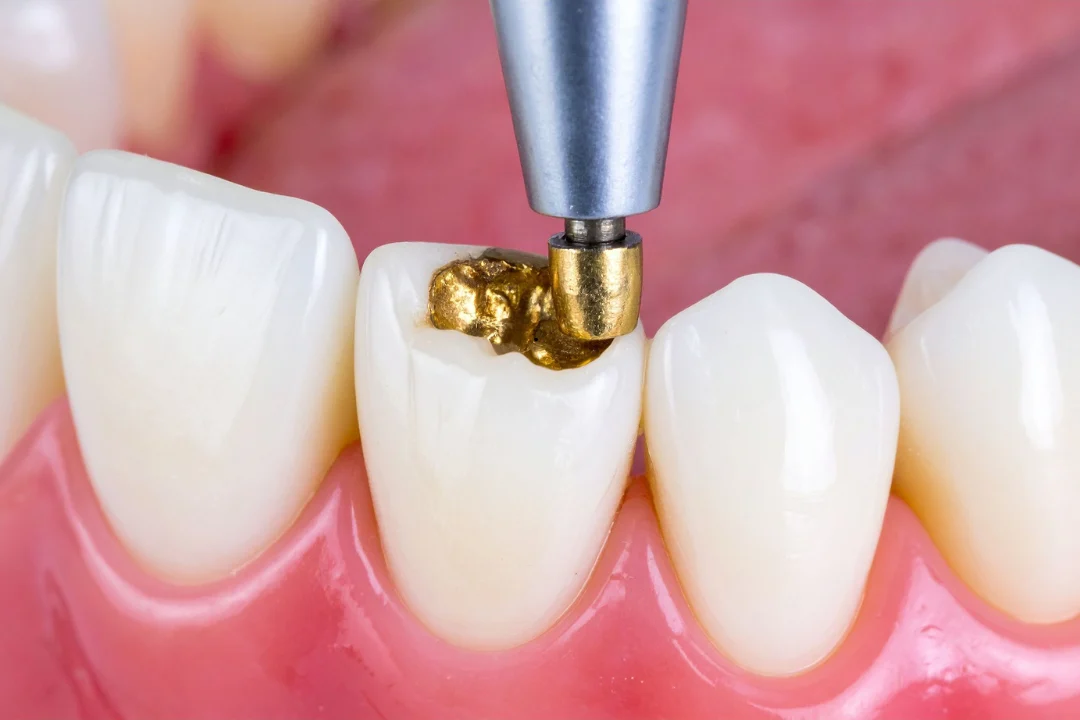
Dental fillings are a common procedure that many people undergo to restore a tooth that has been damaged by decay. Read more
A root canal treatment removes infection inside a tooth, but many patients are left unsure about what happens next. One Read more