
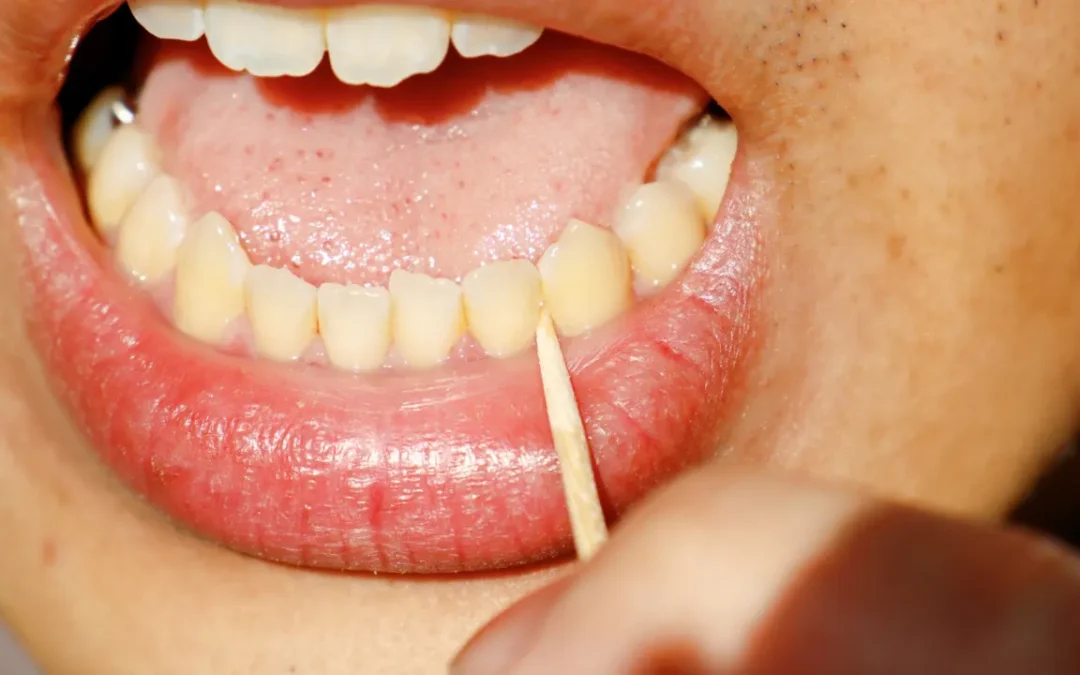
If your teeth feel rough near the gumline, your gums bleed when brushing, or you notice yellow or brown build-up that does not go away, you may be dealing with plaque, tartar, or early gum disease. Many people think plaque and tartar are the same, but they are different. Plaque is soft bacterial build-up that forms on teeth every day. Tartar is hardened plaque that sticks firmly to the tooth surface and usually needs a professional scale and clean to remove. Understanding the difference matters because both plaque and tartar can irritate the gums, increase bleeding, cause bad breath, and raise the risk of gingivitis and periodontitis if left untreated.
For patients in St Leonards, Crows Nest, Artarmon, Lane Cove, North Sydney, Greenwich, Naremburn, and Willoughby, this topic is directly linked with preventive dental care. A regular dental checkup and scale and clean at St Leonards Green Dental can help remove tartar, control plaque build-up, check gum health, and reduce the risk of gum disease before it becomes more serious. The aim is simple: keep the teeth clean, keep the gums healthy, and prevent small problems from becoming long-term dental issues.
Quick Answer: Plaque vs Tartar
Plaque is a soft, sticky film of bacteria that forms on teeth and around the gumline throughout the day. It can usually be reduced with proper brushing, flossing, and interdental cleaning. Tartar, also called calculus, forms when plaque is left on the teeth and hardens with minerals from saliva. Once tartar forms, normal brushing cannot remove it properly. A dentist or hygienist removes tartar during a professional scale and clean using dental instruments that safely clean the tooth surface and gumline.
The gum disease connection is important. Plaque bacteria can irritate gum tissue and cause redness, swelling, tenderness, and bleeding. If plaque is missed and turns into tartar, the rough tartar surface can hold more bacteria near the gums. This makes inflammation harder to control and can increase the risk of gingivitis. If gum inflammation continues and reaches deeper supporting tissues, it can progress into periodontitis, which may lead to gum recession, bone loss, loose teeth, and tooth loss.
Short Answer
Plaque is a soft bacterial build-up that forms on teeth every day. Tartar is hardened plaque that has mineralised on the tooth surface. Plaque can often be reduced at home with brushing and interdental cleaning, but tartar usually needs professional removal. Both plaque and tartar can irritate the gums and increase the risk of gum disease.
Plaque vs Tartar Comparison Table
The easiest way to understand plaque and tartar is to compare how they form, how they feel, and how they are removed. Plaque is the earlier stage and can be managed daily at home. Tartar is the hardened stage and needs professional cleaning. Both can sit near the gumline, but tartar is more difficult to manage because it creates a rough surface where more plaque can collect.
| Feature | Plaque | Tartar / Calculus |
| Texture | Soft and sticky | Hard and rough |
| Colour | Clear, white, or pale yellow | Yellow, brown, or dark |
| Cause | Bacteria, saliva, and food particles | Plaque hardened by minerals in saliva |
| Home removal | Yes, with proper brushing and interdental cleaning | No, professional cleaning is usually needed |
| Gum impact | Irritates gums and may cause bleeding | Holds bacteria near the gumline |
| Main risk | Cavities and gingivitis | Gum recession, deeper pockets, periodontitis |
| Best solution | Daily plaque control | Scale and clean by a dental professional |
How Plaque Turns Into Tartar
Plaque forms naturally on teeth every day. After eating or drinking, bacteria in the mouth mix with saliva and food particles to create a sticky film on the teeth. If this plaque is removed with brushing and interdental cleaning, it usually does not get the chance to harden. If plaque is missed, especially near the gumline or between teeth, minerals in saliva can slowly harden it into tartar. This hardened deposit can attach firmly to enamel and may also build up under the gumline in people with gum disease.
Tartar often forms in places that are harder to clean. Common areas include behind the lower front teeth, near the upper back molars, along the gumline, between crowded teeth, and around fillings, crowns, bridges, retainers, or orthodontic appliances. Once tartar is present, it can make the surface of the tooth feel rough. This roughness allows more plaque to stick, which can keep the gums irritated and make bleeding more likely.
Why Some People Get Tartar Faster
Some people build tartar faster than others even if they brush every day. This can happen because of saliva mineral levels, crowded teeth, dry mouth, smoking, vaping, diet, brushing technique, or areas that are difficult to clean. People with braces, retainers, crowns, bridges, implants, or older dental work may also have more plaque traps around the teeth. If interdental cleaning is missed, plaque between the teeth can harden before the person notices any obvious signs.
Tartar build-up is also more common when professional cleanings are delayed for long periods. A person may brush the visible tooth surfaces well but still miss the gumline or the areas between back teeth. Over time, these missed spots can become hard deposits. This is why regular checkups, and scale, and cleans are helpful. They remove what home care cannot and give patients clear advice on which areas need more attention.
Common reasons tartar may build up faster include:
- Skipping floss or interdental brushes.
- Brushing too quickly.
- Missing the gumline.
- Crowded or overlapping teeth.
- Dry mouth.
- Smoking or vaping.
- Frequent sugary snacks or drinks.
- Braces, retainers, bridges, crowns, or implants.
- Past gum disease.
- Long gaps between dental cleans.
Plaque vs Tartar: Gum Disease Connection
The connection between plaque, tartar, and gum disease begins at the gumline. Plaque contains bacteria that can irritate the gums. In the early stage, the gums may become red, swollen, or bleed when brushing or flossing. This stage is often called gingivitis. Gingivitis is common, and in many cases it can improve with better daily cleaning and professional plaque and tartar removal. The problem is that early gum disease may not cause pain, so people may ignore bleeding gums and assume it is normal.
When plaque turns into tartar, gum irritation can become harder to manage. Tartar sits firmly on the tooth and creates a rough surface that collects more bacteria. If it forms under the gumline, it may contribute to deeper gum inflammation. Over time, untreated gum disease can move from gingivitis to periodontitis. Periodontitis affects the deeper support around the teeth, including gum attachment and bone. At this stage, patients may notice gum recession, persistent bad breath, loose teeth, pain when chewing, or changes in how the teeth fit together.
From Healthy Gums to Gum Disease
Gum disease usually develops in stages. The early stage may look mild, but it should still be taken seriously because it can progress if plaque and tartar are not controlled. The goal of dental care is to catch gum changes early, remove tartar safely, and give the patient a home care plan that helps prevent repeat build-up.
| Stage | What Happens | Common Signs |
| Healthy gums | Gums sit firmly around the teeth | No bleeding, no swelling, comfortable brushing |
| Plaque irritation | Bacteria collect near the gumline | Mild bleeding, bad breath, redness |
| Gingivitis | Gum inflammation becomes more noticeable | Bleeding gums, swelling, tenderness |
| Tartar build-up | Hardened deposits trap more bacteria | Rough teeth, visible build-up, persistent bleeding |
| Periodontitis | Deeper gum and bone support may be affected | Gum recession, loose teeth, deep pockets |
This stage-by-stage view helps explain why professional cleaning matters. Brushing and flossing can control soft plaque, but they cannot remove hardened tartar. If tartar remains near the gums, the gums may stay irritated even if the person improves their brushing. A scale and clean at St Leonards Green Dental can help remove tartar deposits, polish the teeth, and support healthier gums.
Signs Plaque and Tartar Are Affecting Your Gums
Plaque and tartar problems can be quiet at first. Many people do not feel pain in the early stage, but they may notice bleeding, bad breath, rough areas on the teeth, or redness near the gumline. These signs should not be brushed off as normal. Healthy gums should not bleed regularly during brushing or flossing. If bleeding continues, it usually means the gums are inflamed or the cleaning technique needs improvement.
Visible tartar is another clear sign that a dental clean is needed. Tartar may appear as yellow, brown, or dark deposits near the gumline. It is often seen behind the lower front teeth because saliva pools in that area. Some people feel tartar before they see it, describing the teeth as rough, gritty, or stained. If tartar is below the gumline, it may not be visible, but it can still affect gum health.
Early Signs to Watch For
Early gum irritation can often be managed before it becomes more serious. The key is to act when symptoms first appear rather than waiting for pain or loose teeth. If your gums bleed for more than a few days, your breath stays unpleasant despite brushing, or your teeth feel rough near the gums, a dental checkup can help identify whether plaque or tartar is the cause.
Early signs may include:
- Bleeding when brushing or flossing.
- Red or swollen gums.
- Bad breath.
- Fuzzy feeling on teeth.
- Mild gum tenderness.
- Food trapping between teeth.
- Yellow or brown build-up near the gumline.
- Sensitivity close to the gumline.
Signs You Should Not Ignore
Some gum symptoms need prompt dental attention because they may suggest more advanced gum disease or infection. Gum recession, loose teeth, pus, swelling, or pain when chewing are not normal signs. These symptoms may mean the tissues supporting the teeth are being affected. The earlier this is checked, the better the chance of controlling the problem and protecting the teeth.
Signs you should not ignore include:
- Gums pulling away from teeth.
- Teeth looking longer than before.
- Loose teeth.
- Pain when chewing.
- Pus around the gums.
- Persistent bad taste.
- Spaces forming between teeth.
- Swelling that does not settle.
- Bleeding that keeps returning.
- Bad breath that does not improve with daily cleaning.
If these signs are present, booking a dental checkup and scale and clean at St Leonards Green Dental can help assess your gums, remove plaque and tartar safely, and guide you on the next step. Some patients may only need routine cleaning and better home care. Others may need deeper gum treatment if gum pockets, bone changes, or heavier tartar deposits are present.
Can You Remove Plaque and Tartar at Home?
Many people search for ways to remove plaque and tartar at home because they notice rough build-up, staining, or bleeding gums and want a quick fix. The important difference is that plaque and tartar do not respond the same way. Soft plaque can be reduced with good daily cleaning, but hardened tartar cannot be properly removed with a normal toothbrush, floss, mouthwash, or whitening product. This is why home care and professional dental cleaning both have different roles.
At home, your main job is to remove plaque before it has time to harden. Once plaque turns into tartar, the safest and most effective option is professional removal during a scale and clean. Trying to scrape tartar yourself can damage the gums, scratch enamel, or push bacteria deeper near the gumline. If your teeth feel rough or you can see yellow or brown deposits, it is better to book a dental checkup instead of using sharp tools at home.
What You Can Remove at Home
You can remove soft plaque at home if your brushing and interdental cleaning are consistent. Brushing twice daily with fluoride toothpaste helps clean the front, back, and chewing surfaces of the teeth. Cleaning between the teeth with floss or interdental brushes removes plaque from areas where toothbrush bristles cannot reach. This matters because plaque often collects between teeth and along the gumline before it becomes visible.
Mouthwash may help freshen breath and reduce some bacteria, but it should not replace brushing or cleaning between teeth. A good home routine works best when it is simple and repeated every day. The aim is to stop plaque from sitting long enough to harden into tartar.
Helpful home plaque-control habits include:
- Brush twice daily with fluoride toothpaste.
- Brush gently along the gumline.
- Clean between teeth once daily.
- Use floss for tight spaces.
- Use interdental brushes for wider gaps.
- Replace your toothbrush or electric brush head regularly.
- Drink water after meals and snacks.
- Limit frequent sugary foods and drinks.
- Avoid smoking and vaping where possible.
What Needs Professional Removal
Tartar needs professional removal because it is hardened and firmly attached to the tooth surface. Once it forms, brushing harder will not remove it. In fact, hard brushing can damage the gums and create sensitivity. Whitening toothpaste and whitening strips also do not remove tartar. They may reduce surface stains in some cases, but they do not clear hardened calculus from the gumline.
Professional dental instruments are made to remove tartar safely from tooth surfaces and around the gumline. If tartar is under the gums or linked with gum pockets, the dentist or hygienist may need to clean deeper areas more carefully. This is one reason regular dental checkups are important. They help find tartar before it contributes to more gum irritation. You should book a dental cleaning if you notice:
- Rough build-up near the gumline.
- Yellow, brown, or dark deposits on teeth.
- Bleeding gums.
- Bad breath that does not improve.
- Gum swelling or tenderness.
- Food trapping around certain teeth.
- Teeth that feel gritty even after brushing.
- You have not had a scale and clean for a long time.
Professional Scale and Clean for Tartar Removal
A professional scale and clean is the main dental treatment for removing tartar. It helps remove plaque, hardened calculus, and surface stains from areas that are difficult or impossible to clean properly at home. It also gives the dentist or hygienist a chance to check gum health, look for bleeding, assess tartar levels, and identify early signs of gum disease.
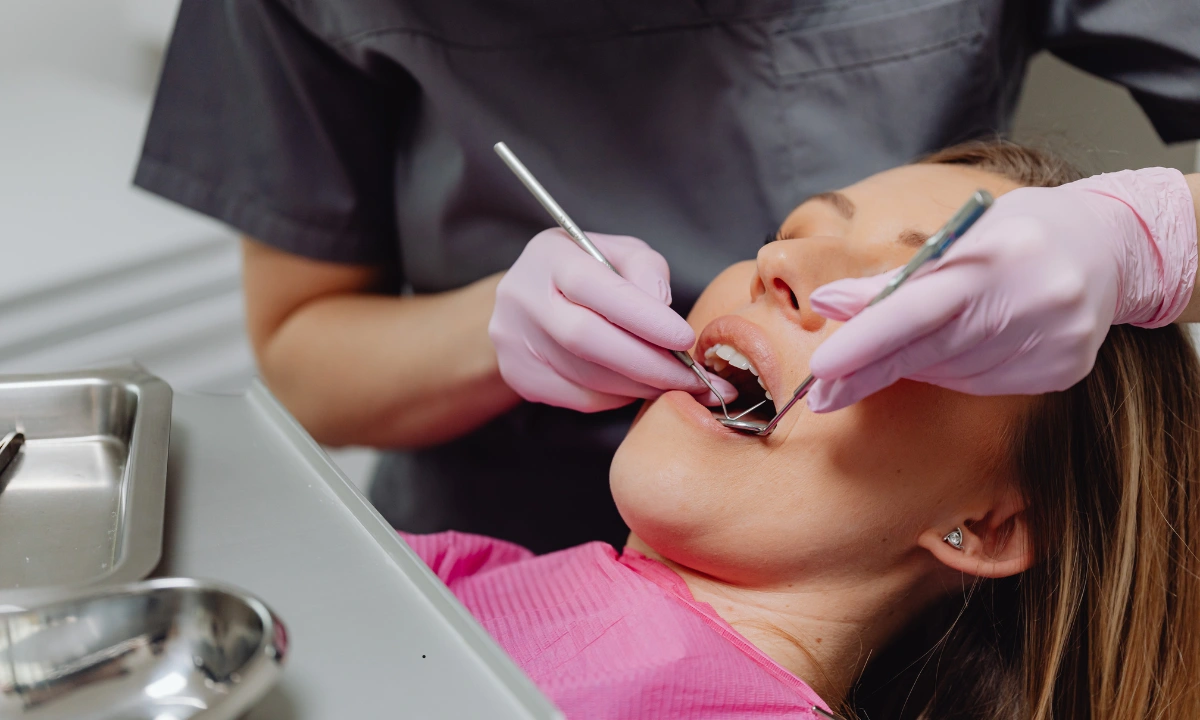
For patients in St Leonards and nearby suburbs, a scale and clean at St Leonards Green Dental can be a practical way to stay on top of gum health. The appointment is not just about making teeth feel cleaner. It helps reduce bacterial build-up near the gumline, supports fresher breath, and lowers the chance of plaque and tartar contributing to gingivitis or periodontitis.
What Happens During a Scale and Clean?
During a scale and clean, the dentist or hygienist first checks the teeth and gums. They look for plaque, tartar, bleeding gums, gum recession, staining, and areas that may be difficult to clean at home. This helps them understand whether you need a routine clean or whether there are signs of more active gum disease.
The cleaning process usually includes removing tartar with professional scaling instruments. These tools clean around the gumline, between teeth, and other areas where tartar commonly builds up. After scaling, the teeth may be polished to smooth the surface and remove some surface stains. The dental team may also give advice on brushing technique, flossing, interdental brushes, and how often you should return based on your gum condition. A typical scale and clean may include:
- Gum and tooth assessment.
- Plaque and tartar check.
- Tartar removal with professional tools.
- Cleaning around the gumline and between teeth.
- Polishing the teeth.
- Oral hygiene advice.
- Recall advice based on your gum health.
How to Prevent Plaque From Becoming Tartar
Preventing tartar starts with removing plaque before it hardens. Plaque forms every day, so prevention is not about doing one big clean once in a while. It is about consistent daily cleaning, especially along the gumline and between the teeth. If plaque is removed regularly, it has less time to mineralise into tartar. Once it hardens, a toothbrush cannot remove it properly, which is why home care and professional dental cleans work best together.
Good plaque control also protects the gums. When bacteria sit near the gumline for too long, the gums may become red, swollen, or bleed. By keeping plaque levels low, you reduce gum irritation and lower the chance of gingivitis progressing into more serious gum disease. Regular checkups and scale and cleanings at St Leonards Green Dental can also help remove tartar deposits that home care cannot reach.
Daily Gum-Friendly Routine
A gum-friendly routine should be simple, gentle, and consistent. Brushing harder is not the answer. Hard brushing can damage gums and expose sensitive root surfaces. The better approach is to use the right technique, clean all tooth surfaces, and spend enough time around the gumline and between teeth.
A strong daily routine includes:
- Brush twice daily with fluoride toothpaste.
- Brush for around two minutes.
- Use a soft toothbrush or electric toothbrush.
- Clean gently along the gumline.
- Clean between teeth once daily.
- Use floss for tight spaces.
- Use interdental brushes for wider gaps.
- Rinse with water after meals and snacks.
- Limit frequent sugary snacks and acidic drinks.
- Replace your toothbrush or brush head regularly.
- Avoid smoking and vaping where possible.
- Keep up with regular dental checkups and cleans.
If your gums bleed when you start flossing or using interdental brushes, do not stop straight away unless there is pain or injury. Bleeding often means plaque has been sitting near the gums. With better cleaning and a professional dental check, gum bleeding may improve. If bleeding continues, book an appointment so your gums can be assessed.
Plaque, Tartar, Bad Breath, and Tooth Decay
Plaque and tartar are closely linked with both bad breath and tooth decay. Plaque contains bacteria, and some of these bacteria can release unpleasant odours. When tartar forms near the gumline, it creates a rough surface where even more bacteria can collect. This can make breath smell worse, especially if gum inflammation or infection is also present.
Plaque also contributes to cavities. When bacteria feed on sugars and carbohydrates, they produce acids that weaken enamel. If this happens often, the enamel can break down and a cavity can form. Tartar itself is not the same as decay, but it can make cleaning harder, allowing more plaque to stay around the teeth and gums. This is why people with heavy tartar build-up may also be at higher risk of gum problems, bad breath, and decay.
A dental check can help identify whether bad breath, sensitivity, or gum bleeding is linked to plaque, tartar, gum disease, tooth decay, dry mouth, diet, smoking, or another cause. At St Leonards Green Dental, checkups and scale and cleans can help remove deposits, check for cavities, assess gum health, and guide you on how to keep your mouth cleaner between visits.
Who Is More at Risk of Tartar and Gum Disease?
Some people are more likely to develop tartar and gum disease even if they brush regularly. This does not mean they are doing everything wrong. Risk can be affected by saliva, tooth position, medical conditions, lifestyle habits, dental work, and how easy or difficult it is to clean certain areas of the mouth.
People may have a higher risk if they have:
- Smoking or vaping habits.
- Diabetes.
- Dry mouth.
- Crowded or overlapping teeth.
- Braces or retainers.
- Crowns, bridges, implants, or dentures.
- A history of gum disease.
- Infrequent flossing or interdental cleaning.
- Bleeding gums.
- Heavy tartar build-up.
- Older age.
- Long gaps between dental visits.
Risk-based care matters because not everyone needs the same cleaning schedule. Some patients may do well with six-monthly checkups and cleans, while others may need more frequent visits to manage gum disease risk or heavy tartar build-up. A dentist can assess your gum health and recommend a recall schedule that suits your mouth.
If your gums bleed, your teeth feel rough, or you can see yellow or brown build-up near the gumline, book a dental checkup and scale and clean with St Leonards Green Dental. Early care can help remove tartar, reduce gum irritation, freshen breath, and lower the risk of gum disease. A scale and clean is also useful if it has been a long time since your last dental visit. Even if you brush daily, tartar can still form in hard-to-reach areas. A professional clean gives your teeth and gums a fresh start and helps your dentist check whether any further gum care is needed.
Final Verdict
Plaque and tartar are connected, but they are not the same. Plaque is soft bacterial build-up that forms every day and can usually be controlled with good brushing and interdental cleaning. Tartar is hardened plaque that sticks to the teeth and needs professional removal. The real concern is the gum disease connection. Plaque irritates the gums, tartar holds more bacteria near the gumline, and untreated inflammation can progress from gingivitis to periodontitis.
The best approach is simple: clean plaque daily, remove tartar professionally, and do not ignore bleeding gums. If your teeth feel rough, your gums bleed, or you can see yellow or brown deposits near the gumline, a dental checkup can help prevent the problem from getting worse. For patients in St Leonards and nearby suburbs, St Leonards Green Dental offers checkups, scale and cleans, plaque and tartar removal, and gum health assessment. Booking regular preventive care can help keep your gums healthier, your breath fresher, and your teeth better protected.


