
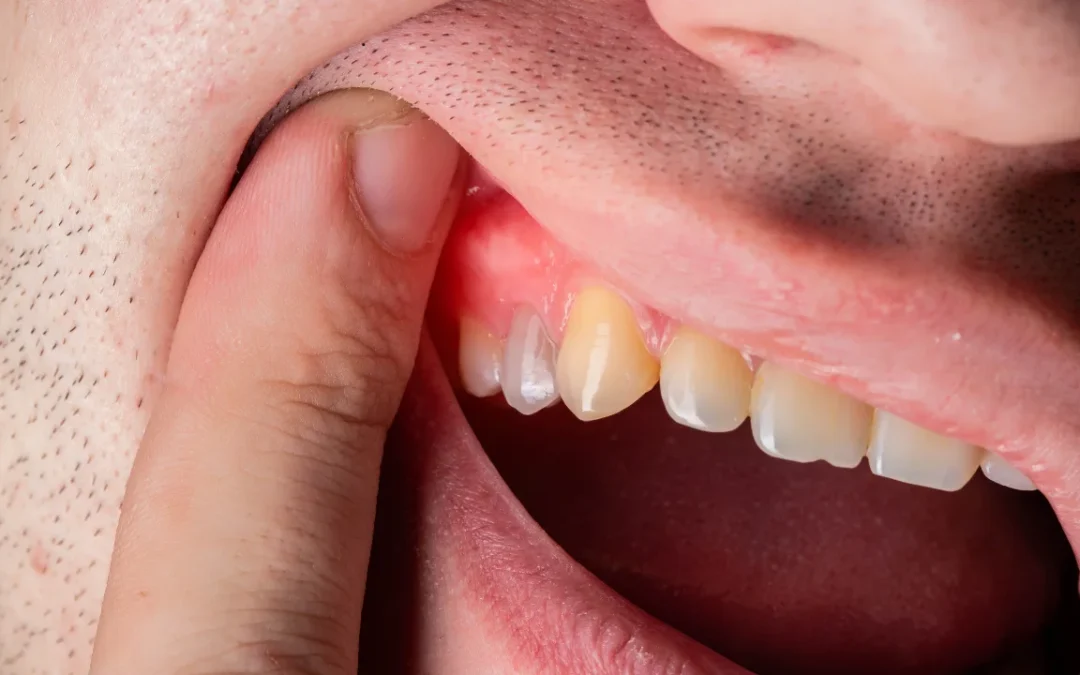
If your gums bleed when brushing, look red around the tooth margins, or feel tender, you may be dealing with gingivitis. One of the most common questions patients ask is whether gingivitis can be cured in a week. The answer is more nuanced than a simple yes or no.
In many cases, early gingivitis can show measurable improvement within seven days when dental plaque is effectively removed and oral hygiene practices are improved. Clinical studies have repeatedly shown that reducing plaque accumulation can decrease gum inflammation, bleeding, and swelling within a relatively short period. However, improvement should not be confused with complete resolution. The extent of recovery depends on how long the condition has been present, the amount of plaque and calculus (tartar) present, the patient’s overall health, and whether professional dental treatment is required.
For some patients, a week of improved oral care may significantly reduce symptoms. For others, especially when hardened deposits are present below or above the gumline, professional treatment may be necessary to achieve full recovery and prevent progression to periodontal disease.
Understanding What Happens During Gingivitis
Gingivitis is the earliest stage of gum disease and develops as a result of plaque biofilm accumulation around the teeth and gums. Although it is extremely common, it should not be ignored. The condition represents an inflammatory response of the gum tissues to bacterial accumulation and serves as an early warning sign that oral hygiene measures may need improvement.
Unlike periodontitis, gingivitis does not involve irreversible destruction of the bone supporting the teeth. This distinction is clinically important because it means gingivitis is generally considered reversible when identified and managed early.
How Plaque Triggers Gum Inflammation
Dental plaque is a structured bacterial biofilm that constantly forms on tooth surfaces. If not removed effectively through brushing and interdental cleaning, the bacteria within plaque release toxins and metabolic by-products that irritate the surrounding gum tissues. The body’s immune system responds by sending inflammatory cells to the affected area. This inflammatory reaction causes several characteristic changes:
- Increased blood flow to the gums
- Swelling of the gingival tissues
- Redness around the gum margins
- Increased bleeding tendency
- Localised tenderness
Research in periodontal medicine has consistently demonstrated that plaque accumulation is the primary initiating factor in gingivitis development. Studies dating back to the landmark experimental gingivitis trials by Löe and colleagues established a direct relationship between plaque build-up and the onset of gingival inflammation. Importantly, inflammation often develops before significant discomfort occurs, which means many patients may have gingivitis without realising it.
Early Signs That Gingivitis Has Developed
Recognising gingivitis early provides the best opportunity for successful intervention. In many cases, symptoms are subtle and may initially be dismissed as temporary irritation.
Common signs of gum disease include:
| Sign | What It May Indicate |
| Bleeding during brushing | Inflammation of gum tissues |
| Bleeding when flossing | Early gum irritation |
| Red or darkened gums | Increased blood flow due to inflammation |
| Swollen gum margins | Local inflammatory response |
| Persistent bad breath | Bacterial accumulation |
| Gum tenderness | Ongoing tissue irritation |
Bleeding gums should never be considered normal. Healthy gums generally do not bleed during routine brushing or interdental cleaning. Even minor bleeding may indicate early inflammatory changes that warrant attention.
Why Gingivitis Is Usually Reversible
One reason gingivitis receives significant attention in preventive dentistry is that it can often be reversed before permanent damage occurs.
Unlike periodontitis, gingivitis affects the superficial gum tissues without causing irreversible attachment loss or significant bone destruction. When bacterial plaque is consistently removed, inflammatory triggers are reduced, and the gum tissues are often able to recover.
Clinical research has shown that effective plaque control can result in:
- Reduced gingival bleeding
- Decreased swelling
- Improved gum colour
- Reduced inflammatory markers
- Improved overall periodontal health
This reversibility makes early intervention particularly valuable. The sooner plaque accumulation is controlled, the lower the risk of progression to more advanced forms of periodontal disease.
Can Gingivitis Really Improve Within Seven Days?
Many online articles make broad claims about curing gingivitis in a week. From a clinical perspective, the more accurate question is whether meaningful improvement can occur within seven days. Current evidence suggests that, for many patients with mild gingivitis, the answer is yes. Improvements in bleeding, swelling, and inflammation can often occur within the first week of effective plaque control. However, the degree of improvement varies between individuals and depends on several clinical factors.
What Clinical Studies Show About Early Gum Healing
Research investigating gingival healing consistently demonstrates that the gums respond rapidly when plaque is removed effectively. Studies evaluating oral hygiene interventions have reported:
- Significant reductions in plaque levels within days
- Improved gingival bleeding scores after one week
- Reduced inflammatory signs following improved oral hygiene
- Measurable improvement in gingival health during the first two weeks
The biological explanation is straightforward. Once bacterial biofilm is disrupted, inflammatory stimulation decreases and the gum tissues can begin the healing process. However, healing does not occur instantly. The body’s inflammatory response takes time to resolve, particularly when inflammation has been present for an extended period.
Factors That Influence Recovery Speed
Not all patients experience the same rate of improvement. Several factors influence how quickly gingivitis responds to treatment. Key factors include:
- Amount of plaque present
- Presence of tartar deposits
- Brushing effectiveness
- Interdental cleaning habits
- Smoking status
- Diabetes control
- Immune system health
- Frequency of professional dental care
Patients with minimal plaque accumulation and otherwise healthy gums may notice improvements relatively quickly. In contrast, individuals with significant calculus deposits often require professional treatment because hardened tartar cannot be removed through home care alone.
When One Week May Not Be Enough
Although symptom improvement can occur rapidly, a seven-day period is not always sufficient for complete recovery. Professional assessment may be necessary when:
- Bleeding persists beyond one week
- Heavy tartar deposits are present
- Gum recession is evident
- Deep periodontal pockets have developed
- Tooth mobility is present
- Symptoms continue despite improved oral hygiene
In these situations, the underlying issue may extend beyond simple gingivitis and require a more comprehensive periodontal evaluation.
A Seven-Day Plan to Improve Gingivitis
A structured approach can help patients improve plaque control and support gum healing. The following plan focuses on evidence-based strategies commonly recommended in preventive dentistry.
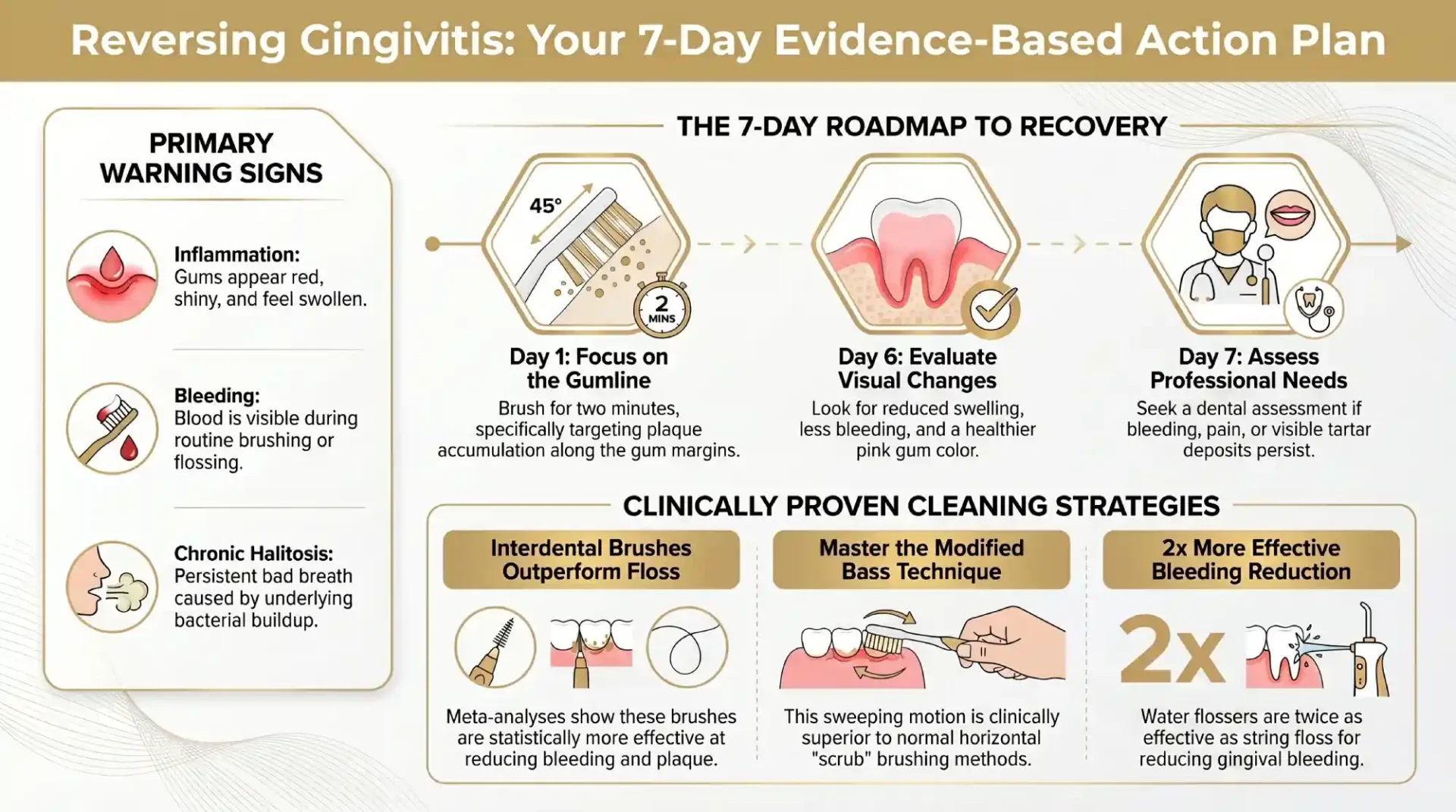
Day 1: Remove Existing Plaque Thoroughly
The first step is improving plaque removal throughout the mouth. Many patients brush regularly but miss areas along the gumline where plaque commonly accumulates. Focus on:
- Brushing for at least two minutes
- Cleaning along the gum margins
- Replacing worn toothbrushes
- Cleaning all tooth surfaces systematically
The objective is to reduce the bacterial load responsible for ongoing inflammation.
Day 2: Improve Brushing Technique
Technique often matters more than brushing force. Aggressive brushing does not improve plaque removal and may contribute to gum recession over time. Effective brushing generally involves:
- Holding the brush at a 45-degree angle
- Using gentle circular motions
- Cleaning the gumline carefully
- Reaching posterior teeth thoroughly
Patients should focus on consistency rather than pressure.
Day 3: Clean Between Teeth Consistently
Toothbrush bristles cannot effectively clean all interdental surfaces. As a result, bacterial biofilm often remains between teeth even when brushing is performed correctly. Interdental cleaning options include:
- Dental floss
- Interdental brushes
- Water flossers
Regular interdental cleaning targets areas frequently associated with gingival inflammation and bleeding.
Day 4: Introduce an Antimicrobial Mouthwash
Antimicrobial mouthwashes may serve as a useful adjunct to mechanical plaque removal. Products containing ingredients such as:
- Chlorhexidine
- Cetylpyridinium chloride
Essential oils have demonstrated benefits in reducing bacterial load and gingival inflammation when used appropriately. However, mouthwash should complement brushing and interdental cleaning rather than replace them.
Day 5: Address Lifestyle Factors That Affect Gum Health
Gum health is influenced by more than oral hygiene alone. Factors associated with increased gingival inflammation include:
- Smoking
- Poor dietary habits
- Excessive sugar consumption
- Poorly controlled diabetes
- Chronic stress
Addressing these factors may support recovery and improve long-term periodontal health.
Day 6: Evaluate Changes in Your Gums
At this point, many patients begin noticing early signs of improvement. Potential changes include:
- Less bleeding
- Reduced swelling
- Improved comfort during brushing
- Healthier gum colour
Although these changes are encouraging, ongoing oral hygiene remains essential for continued improvement.
Day 7: Determine Whether Professional Care Is Needed
After one week, patients should assess whether symptoms have improved. A professional dental assessment should be considered if:
- Bleeding remains frequent
- Swelling persists
- Bad breath continues
- Tartar deposits remain visible
- Pain develops
At St Leonards Green Dental, patients experiencing ongoing gum inflammation can undergo a comprehensive periodontal assessment to determine whether professional cleaning or additional treatment is required.
The Most Effective Home Care Measures for Gingivitis
While many products claim to improve gum health, the strongest evidence continues to support a small number of well-established oral hygiene practices.
Twice-Daily Toothbrushing
Regular toothbrushing remains the cornerstone of plaque control. The goal is to disrupt bacterial biofilm before it matures and triggers further inflammation. Evidence-based recommendations generally include:
- Brushing twice daily
- Using fluoride toothpaste
- Cleaning along the gumline
- Brushing for at least two minutes
Consistency is more important than aggressive brushing.
Daily Interdental Cleaning
Interdental plaque frequently contributes to gingival inflammation because it accumulates in areas inaccessible to toothbrush bristles. Daily interdental cleaning has been associated with:
- Reduced plaque accumulation
- Improved gingival health
- Reduced bleeding scores
- Better long-term periodontal outcomes
Patients should select the interdental cleaning method most appropriate for their individual needs and dexterity.
Antimicrobial Mouthwashes
Certain antimicrobial rinses may provide additional benefits when combined with mechanical plaque control. Potential benefits include:
- Reduced bacterial counts
- Improved gingival health
- Reduced plaque accumulation
- Support for short-term inflammation management
Their effectiveness is greatest when used as part of a broader oral hygiene routine rather than as a standalone treatment.
Managing Plaque Retention Factors
Plaque tends to accumulate more readily around certain dental conditions and restorations. Common plaque retention factors include:
- Overhanging restorations
- Crowded teeth
- Orthodontic appliances
- Ill-fitting dental work
- Rough tooth surfaces
Identifying and managing these contributing factors may improve oral hygiene effectiveness and reduce the risk of recurrent gingivitis.
Common Home Remedies for Gingivitis: What Works and What Does Not?
A search for gingivitis treatments often reveals a wide range of home remedies claiming to eliminate gum disease quickly. While some home-based approaches may help reduce symptoms or support oral hygiene efforts, it is important to distinguish between interventions supported by clinical evidence and those that rely primarily on anecdotal reports. The primary cause of gingivitis is bacterial plaque accumulation. For this reason, any remedy that does not address plaque control should be viewed as a supplementary measure rather than a treatment.
Salt Water Rinses
Salt water rinses have been used for decades as a simple method to soothe inflamed oral tissues. A warm saline rinse may help reduce minor irritation, support wound healing, and temporarily improve comfort. Potential benefits include:
- Temporary reduction in gum discomfort
- Gentle cleansing of oral tissues
- Support for healing after dental procedures
- Improved patient comfort
However, saltwater rinses do not remove plaque or calculus deposits. They should therefore be considered supportive rather than curative.
Patients may use a saline rinse alongside regular brushing and interdental cleaning, but it should never replace these measures.
Oil Pulling
Oil pulling involves swishing oil, commonly coconut oil, in the mouth for an extended period before spitting it out. The practice originates from traditional medicine systems and has gained popularity online as a natural oral health remedy. Some small studies have suggested potential reductions in plaque accumulation and bacterial counts following regular oil pulling. However, the current evidence remains limited compared with the extensive body of research supporting conventional plaque control methods.
Current clinical evidence suggests:
- Oil pulling may provide modest benefits for oral hygiene.
- It should not replace brushing or flossing.
- Evidence remains less robust than standard periodontal care recommendations.
Patients choosing to use oil pulling should view it as a supplementary practice rather than a primary treatment for gingivitis.
Aloe Vera Preparations
Aloe vera has been investigated for its anti-inflammatory and antimicrobial properties. Certain studies have reported improvements in gingival inflammation when aloe vera gels or mouth rinses are used alongside standard oral hygiene measures. Potential benefits may include:
- Reduced gingival redness
- Improved comfort
- Temporary reduction in inflammation
Despite these findings, aloe vera products should not be viewed as a substitute for effective plaque removal. The underlying cause of gingivitis remains bacterial biofilm accumulation, which requires mechanical disruption.
Herbal Mouth Rinses
A variety of herbal mouth rinses have been studied for their potential role in gum health. Examples include preparations containing:
- Tea tree oil
- Green tea extracts
- Neem extracts
- Chamomile
- Essential oils
Some studies have demonstrated reductions in plaque and gingival inflammation when these products are used appropriately. However, results vary significantly between products, and quality control may differ between manufacturers. Patients considering herbal rinses should discuss their use with a dental professional, particularly if they have allergies or existing medical conditions.
Why Home Remedies Cannot Replace Plaque Removal
The most important principle in gingivitis treatment is that inflammation improves when plaque levels decrease. Home remedies may support comfort or reduce inflammation to varying degrees, but they do not eliminate the need for effective plaque control.
Scientific evidence consistently supports:
- Toothbrushing
- Interdental cleaning
- Professional plaque and calculus removal when necessary
These interventions remain the foundation of gingivitis management. Any treatment approach that ignores plaque control is unlikely to provide lasting improvement.
Signs Your Gingivitis Is Improving
When patients begin improving their oral hygiene routine, they often want to know whether their efforts are producing results. Fortunately, gingival healing frequently produces noticeable clinical changes. Monitoring these improvements can help patients stay motivated while identifying situations where further professional care may be necessary.
Reduced Bleeding During Brushing
One of the earliest and most reliable indicators of improvement is a reduction in bleeding during brushing or interdental cleaning. Healthy gums generally do not bleed when disturbed by routine oral hygiene measures. As inflammation decreases and tissue health improves, bleeding frequency often declines. Patients may notice:
- Less blood when brushing
- Reduced bleeding while flossing
- Faster resolution of bleeding episodes
Although occasional bleeding may still occur during healing, a consistent reduction is generally considered a positive sign.
Less Gum Swelling
Inflammation causes fluid accumulation within the gum tissues, leading to swelling and enlargement. As plaque levels decrease, patients may observe:
- Less puffiness around the gum margins
- Improved gum contours
- Reduced tissue enlargement between teeth
This improvement often contributes to a healthier overall appearance of the gums.
Healthier Gum Colour
Healthy gums are typically firm and light pink in colour, although normal pigmentation varies between individuals. Inflamed gums frequently appear:
- Red
- Dark red
- Shiny
- Irritated
As inflammation resolves, gum tissues often regain a healthier appearance and more natural colour. Colour changes should be assessed alongside other indicators rather than in isolation.
Improved Comfort During Oral Hygiene
Patients frequently report greater comfort during brushing and flossing as gingivitis improves. Positive changes may include:
- Reduced tenderness
- Less sensitivity during cleaning
- Greater tolerance of interdental cleaning
- Improved overall comfort
These improvements often encourage better oral hygiene habits, which further support recovery.
When Gingivitis May Require Professional Treatment
While many cases of early gingivitis respond well to improved oral hygiene, professional treatment is sometimes necessary. Home care alone cannot address every contributing factor, particularly when hardened deposits or more advanced periodontal problems are present. Recognising when professional assessment is needed can help prevent progression to more serious gum disease.
Persistent Bleeding Beyond One Week
Although improvement can occur within several days, persistent bleeding may indicate that inflammation remains active. Ongoing bleeding may be associated with:
- Inadequate plaque removal
- Significant calculus deposits
- Incorrect oral hygiene techniques
- Underlying periodontal disease
Patients experiencing continued bleeding should consider scheduling a dental examination for a more detailed assessment.
Tartar That Cannot Be Removed at Home
When plaque remains undisturbed, it can mineralise and form calculus, commonly referred to as tartar. Unlike plaque, tartar cannot be removed through routine brushing or flossing. Professional cleaning may be required to remove:
- Supragingival calculus
- Subgingival calculus
- Stubborn plaque-retentive deposits
Without professional removal, these deposits can continue contributing to inflammation despite otherwise good oral hygiene.
Signs of Possible Periodontitis
In some cases, symptoms initially assumed to be gingivitis may indicate progression to periodontitis. Warning signs include:
- Gum recession
- Persistent bad breath
- Tooth mobility
- Deep gum pockets
- Changes in bite
- Bone loss identified on radiographs
Unlike gingivitis, periodontitis involves irreversible destruction of supporting tissues and requires professional management.
When to Schedule a Dental Examination
Patients should consider professional assessment if:
- Symptoms persist after improving oral hygiene
- Bleeding continues beyond several weeks
- Gum swelling remains unchanged
- Visible tartar is present
- Tooth mobility develops
At St Leonards Green Dental, a comprehensive periodontal assessment can help identify the cause of ongoing gum inflammation and determine the most appropriate treatment approach.
How Dentists Treat Gingivitis
Professional gingivitis treatment focuses on removing the factors responsible for ongoing inflammation and helping patients establish effective oral hygiene routines. Treatment recommendations are based on the severity of the condition and the patient’s overall periodontal health.
Professional Scale and Clean
A professional scale and clean removes plaque, calculus, and surface stains that cannot be effectively eliminated through home care alone.
The procedure may involve:
- Ultrasonic scaling
- Hand instrumentation
- Polishing of tooth surfaces
- Assessment of gum health
Professional cleaning creates a cleaner oral environment and supports healing by reducing bacterial accumulation.
Removal of Calculus Deposits
Calculus acts as a plaque-retentive surface that encourages continued bacterial growth. Removing these deposits helps:
- Reduce inflammation
- Improve gum health
- Support effective home care
- Reduce bleeding tendency
This step is often critical in patients who have struggled to achieve improvement through brushing and flossing alone.
Oral Hygiene Instruction
Many patients benefit from personalised oral hygiene guidance. Instruction may include:
- Brushing technique recommendations
- Flossing demonstrations
- Interdental brush selection
- Advice regarding oral hygiene products
Even small improvements in technique can significantly affect long-term gum health outcomes.
Ongoing Gum Health Monitoring
Successful gingivitis management extends beyond a single appointment. Ongoing monitoring allows the dental team to evaluate:
- Plaque control effectiveness
- Bleeding scores
- Tissue response
- Risk factors for recurrence
Regular examinations help identify concerns early and support long-term periodontal health.
Frequently Asked Questions About Gingivitis Recovery
Can gingivitis disappear in seven days?
Mild gingivitis can show significant improvement within seven days when plaque removal is improved. However, complete recovery depends on the severity of inflammation, the presence of calculus, and individual risk factors.
Can brushing alone reverse gingivitis?
Brushing is essential but is often most effective when combined with interdental cleaning. Areas between teeth are common sites for plaque accumulation and may not be adequately cleaned by brushing alone.
Is bleeding while brushing normal?
No. Healthy gums generally do not bleed during routine oral hygiene. Persistent bleeding often indicates inflammation and should be evaluated if it continues.
Can mouthwash cure gingivitis?
Mouthwash may help reduce bacterial levels and support oral hygiene efforts, but it cannot replace brushing, interdental cleaning, or professional treatment when required.
Can gingivitis return after treatment?
Yes. Gingivitis can recur if plaque accumulates again. Consistent oral hygiene and regular dental visits remain important for maintaining healthy gums.
How do I know if I have periodontitis instead?
Signs such as gum recession, loose teeth, deep periodontal pockets, and bone loss may indicate periodontitis rather than gingivitis. A dental examination is required for accurate diagnosis.
Key Takeaways
Gingivitis is a common inflammatory condition caused primarily by plaque accumulation around the teeth and gums. The encouraging news is that early gingivitis is generally reversible when plaque control improves and contributing factors are addressed.
Key points to remember include:
- Mild gingivitis may improve significantly within one week.
- Improvement is not always the same as complete recovery.
- Effective plaque removal remains the most important treatment strategy.
- Brushing and interdental cleaning should form the foundation of daily oral care.
- Home remedies may provide support but cannot replace plaque control.
- Persistent symptoms may indicate the need for professional dental treatment.
- Early intervention helps reduce the risk of progression to periodontitis.
If your gums continue to bleed, remain swollen, or show little improvement despite better oral hygiene, a professional dental assessment can help identify the underlying cause and provide appropriate treatment recommendations.


A bright, confident smile can make a lasting impression, but many Australians struggle with yellowing teeth caused by coffee, tea, Read more