

A root canal treatment removes infection inside a tooth, but many patients are left unsure about what happens next. One of the most common questions asked in dental clinics across Australia is whether a simple filling is enough after the procedure, or whether a crown is needed for long-term protection. This concern is valid because the tooth does not feel painful anymore after treatment, which can create the impression that it is fully “fixed.” In reality, the tooth structure has changed internally and needs proper restoration to avoid future breakage or reinfection.
Dental clinics such as St Leonards Green Dental often explain that the success of a root canal does not depend only on cleaning the infection, but also on how well the tooth is restored afterward.
Quick Answer: Can a Root Canal Tooth Be Filled?
Yes, you can place a Dental filling on a root canal-treated tooth—but only in certain situations. The decision depends on how much of the natural tooth is still strong.
Simple Answer
- Filling is suitable → when the tooth structure is mostly intact
- Crown is needed → when the tooth is weak or heavily damaged
| Condition of Tooth | Best Option |
| Small opening, strong walls | Filling |
| Large cavity or weak structure | Crown |
| Front tooth (less pressure) | Filling (often) |
| Back tooth (high chewing force) | Crown (recommended) |
What Happens Inside a Tooth During Root Canal Therapy
Root canal therapy is performed when the inner part of the tooth, called the pulp, becomes infected or inflamed. This pulp contains nerves, blood vessels, and connective tissue. Once infection develops, it cannot heal on its own. During treatment:
- The infected pulp is removed
- Root canals are cleaned and shaped
- The space is disinfected
- A filling material called gutta-percha is placed inside the canals
- The tooth is sealed to block bacteria
After this process, the tooth remains in the mouth but no longer has a living nerve supply. This change affects strength, moisture levels, and long-term durability.
Why Restoring a Root Canal Tooth Is Essential
After a root canal, the tooth is no longer infected—but it is not fully protected. Leaving it without proper restoration can lead to damage.
Main Reasons for Restoration
- To prevent fractures during chewing
- To seal the tooth from bacteria
- To restore normal function
- To avoid future treatments or tooth loss
What Can Happen Without Restoration
- Tooth cracks or breaks
- Bacteria re-enter the tooth
- Need for re-treatment or extraction
A restoration, such as a filling or crown, acts as a protective layer, helping the tooth last longer.
When a Dental Filling Is Suitable After Root Canal Treatment
A filling may be used after root canal therapy in specific clinical situations where the risk of fracture is low.
Suitable cases include:
- Front teeth (incisors and canines)
- Small cavities with limited tooth loss
- Teeth with strong remaining enamel and dentin
- Short-term protection before final restoration
Benefits of fillings:
- Faster treatment process
- Lower cost compared to crowns
- Less removal of natural tooth structure
Despite these advantages, fillings do not fully protect a weakened tooth from long-term chewing forces.
When a Crown Becomes the Preferred Option
A dental crown is often recommended for root canal-treated teeth, especially back teeth such as premolars and molars. These teeth handle the highest chewing pressure in the mouth. A crown fully covers the tooth and works like a protective shell, reducing the chance of fracture.
Reasons dentists recommend crowns:
- Full coverage protection for weakened tooth structure
- Higher resistance to chewing pressure
- Lower risk of cracks and fractures
- Better long-term survival rates
Crowns can be made from porcelain, ceramic, or metal-based materials depending on clinical needs and bite strength.
Filling vs Crown – Clear Clinical Comparison
| Factor | Filling | Crown |
| Coverage | Partial repair | Full tooth coverage |
| Strength | Moderate support | High fracture protection |
| Lifespan | Shorter durability | Long-term stability |
| Best use | Front teeth or minor damage | Back teeth and high bite pressure |
| Risk of fracture | Higher | Lower |
This comparison shows why crowns are often preferred for molars after root canal treatment
When Can You Get a Filling on a Root Canal Tooth?
A Dental filling can be a suitable option after a Root canal treatment, but only when the tooth still has enough natural strength to support it. Dentists look at how much healthy tooth structure remains after removing decay and accessing the canal. If the outer walls are thick and intact, a filling can restore the tooth and seal it effectively.
In many real cases, fillings are chosen for teeth that have minimal damage and do not carry heavy biting pressure. This keeps the treatment simple and cost-effective while still protecting the tooth from bacteria.
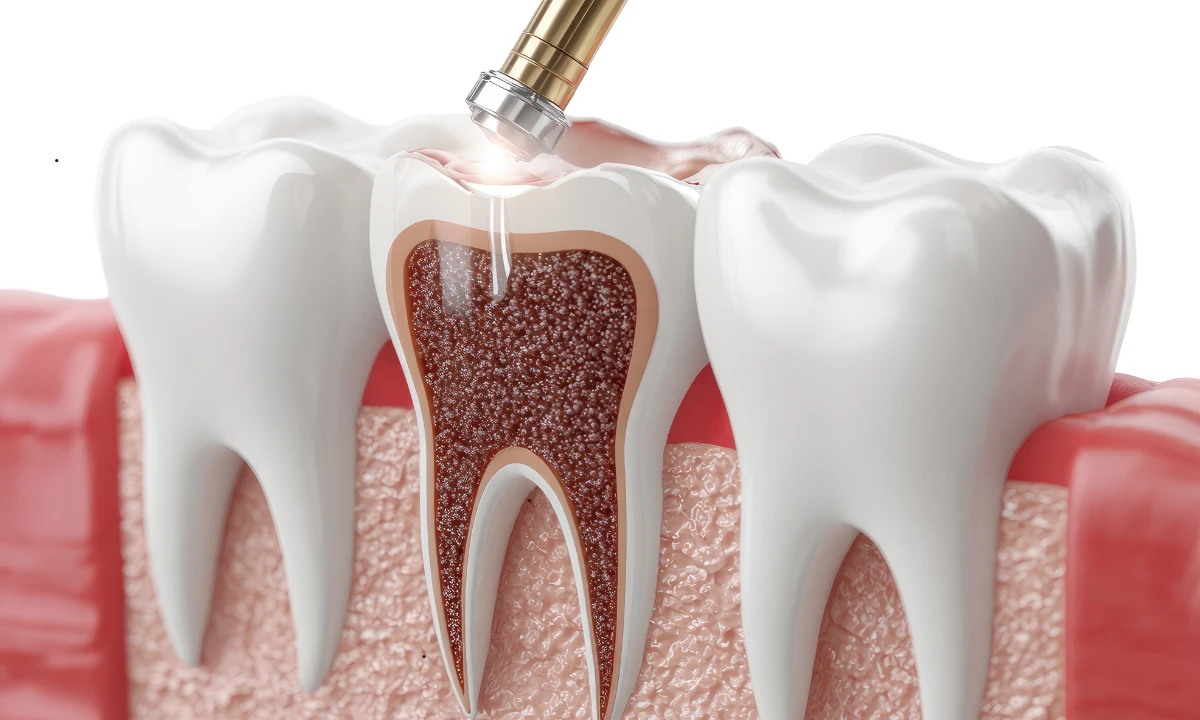
Situations Where a Filling Works Well
- The access opening made during the root canal is small
- Most of the enamel and dentine are still strong
- No visible cracks or fractures in the tooth
- The tooth is not exposed to heavy chewing force
- Good oral hygiene and regular dental visits are maintained
In these situations, a filling can last well and keep the tooth functional for years.
When a Filling Is NOT Enough (Crown Recommended Instead)
There are many cases where a filling alone cannot protect a root canal-treated tooth. Because the tooth becomes weaker after treatment, it may not handle pressure well—especially if a large portion of the structure is missing. In these situations, a Dental crown is the safer option. A crown covers the entire tooth and spreads chewing forces evenly, reducing the risk of cracks or breakage.
Signs You Need a Crown Instead of a Filling
- Large part of the tooth is broken or decayed
- Thin or weak remaining walls
- Tooth has existing cracks
- Back teeth (molars) that handle strong bite forces
- Previous large fillings already present
Choosing a filling in these cases can lead to fractures, which may result in tooth loss or more complex treatment later.
Which Teeth Can Be Filled After Root Canal?
The type of tooth plays a big role in deciding between a filling and a crown. Different teeth handle different levels of pressure, so the treatment approach changes accordingly.
Front Teeth (Incisors & Canines)
Front teeth usually experience less chewing pressure compared to back teeth. After a root canal, if most of the tooth structure is still intact, a filling is often enough to restore it. These teeth are also easier to maintain because they are more visible and accessible for cleaning. In many cases, a filling provides both function and appearance without the need for a full crown.
Premolars
Premolars sit between front and back teeth, so they handle moderate chewing force. The decision here depends on how much of the tooth remains. If the structure is strong, a filling may work. However, if there is significant damage, a crown is usually recommended to avoid future problems.
Molars (Back Teeth)
Molars take the highest chewing pressure, especially when grinding food. After a root canal, these teeth are at a higher risk of cracking. For this reason, dentists often recommend a Dental crown instead of a filling for molars. A crown provides full protection and helps the tooth last longer under daily use.
Step-by-Step: How a Filling Is Placed After Root Canal
Placing a filling after a root canal is a straightforward process, but it must be done carefully to ensure a proper seal and long-term success. First, the dentist checks the treated tooth to confirm there is no infection. The inner chamber is then cleaned and prepared for restoration. After that, a filling material is placed inside the tooth to seal the space and restore its shape.
Basic Steps:
- Cleaning and drying the tooth
- Applying bonding material
- Placing the filling in layers
- Shaping and polishing the tooth
The final result allows you to bite and chew normally while protecting the inner structure from bacteria.
How Long Does a Filling Last on a Root Canal Tooth?
The lifespan of a filling on a root canal-treated tooth depends on several factors. While fillings can last for many years, they are generally less durable than crowns, especially on teeth under pressure. On average, a filling may last between 5 to 10 years, but this varies based on daily habits and oral care.
Factors That Affect Longevity
- Location of the tooth (front vs back)
- Bite pressure and grinding habits
- Quality of the filling material
- Oral hygiene routine
- Regular dental check-ups
A well-maintained filling can last longer, but weak teeth may still need a crown later.
How to Care for a Root Canal Tooth with a Filling
Taking care of your restored tooth is important for long-term success. Even though the nerve is removed, the outer structure still needs protection.
Daily Care Tips
- Brush twice a day with fluoride toothpaste
- Clean between teeth using floss or interdental brushes
- Avoid biting very hard foods (ice, hard sweets)
- Wear a night guard if you grind your teeth
Professional Care
- Visit your dentist for routine check-ups
- Get professional cleaning to remove plaque buildup
- Monitor the tooth for any signs of wear or damage
- Good care helps your filling last longer and reduces the need for further treatment.
Frequently Asked Questions
Can a root canal tooth be filled permanently?
Yes, a Dental filling can be a long-term solution if the tooth is strong enough. However, in many cases, a crown provides better long-term protection.
Is a crown always required after a root canal?
No, a crown is not always required. It depends on the condition of the tooth. Front teeth with minimal damage may only need a filling, while back teeth usually benefit from crowns.
Why do root canal teeth break easily?
After a Root canal treatment, the tooth loses its internal structure and becomes more brittle. This makes it more likely to crack under pressure.
How long can a root canal tooth last without a crown?
It can last for years in some cases, especially if a filling is placed and the tooth is not under heavy stress. However, the risk of fracture is higher compared to a crowned tooth.
Is it cheaper to get a filling instead of a crown?
Yes, fillings are cheaper upfront. However, crowns often provide better long-term value by reducing the risk of damage and repeat treatment.
What happens if you don’t restore a root canal tooth?
If left untreated, the tooth can crack, become reinfected, or eventually need to be removed. Restoration is necessary to protect the tooth after treatment.
When to See a Dentist for Proper Restoration
After a root canal, it’s important to follow up with a dentist to decide the right type of restoration. Delaying this step can increase the risk of complications.
Signs You Need Dental Attention
- Pain when chewing
- Loose or missing filling
- Cracks or rough edges on the tooth
- Sensitivity or discomfort
For patients in Australia, visiting a trusted clinic like St Leonards Green Dental ensures you receive the right advice based on your tooth condition. Their team focuses on preserving natural teeth and helping patients choose between fillings and crowns with confidence.
Conclusion: Should You Choose a Filling or a Crown?
A filling can work well after a root canal if the tooth is still strong and not under heavy pressure. However, if the tooth is weak, cracked, or located at the back of your mouth, a crown is usually the safer choice. Both options have their place, and the right decision depends on your specific case. Getting professional advice early helps you avoid future problems and keeps your tooth functioning for years.
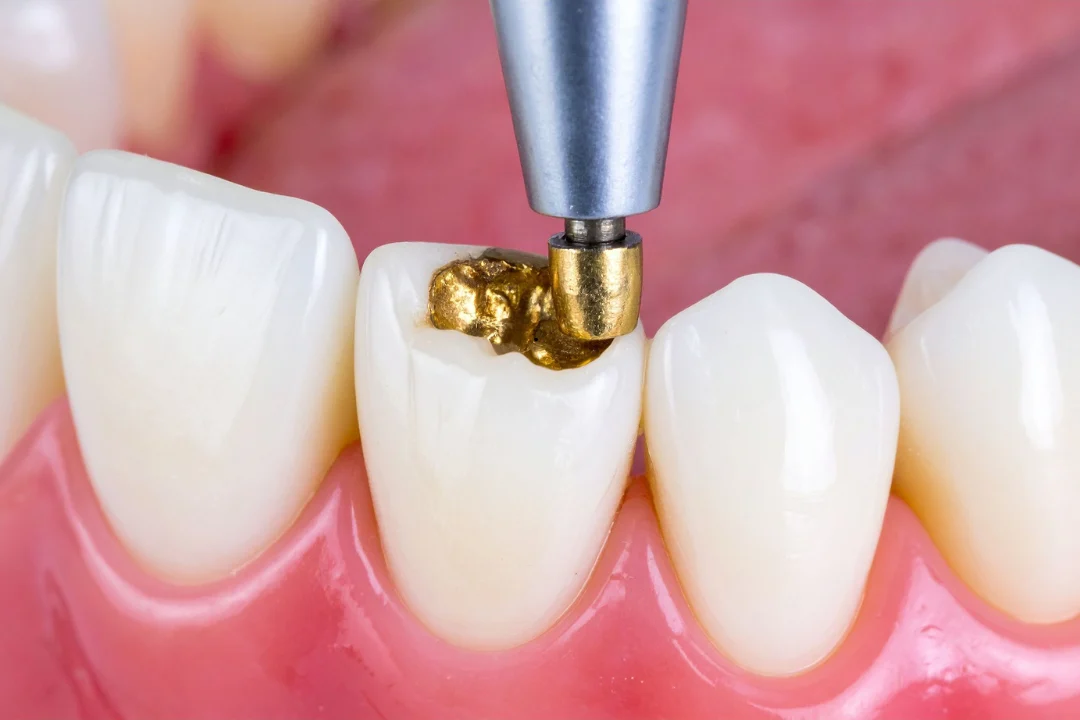
Dental fillings are a common procedure that many people undergo to restore a tooth that has been damaged by decay. Read more
Losing a dental filling can be more than just a minor inconvenience; it’s an urgent situation that demands your attention Read more