
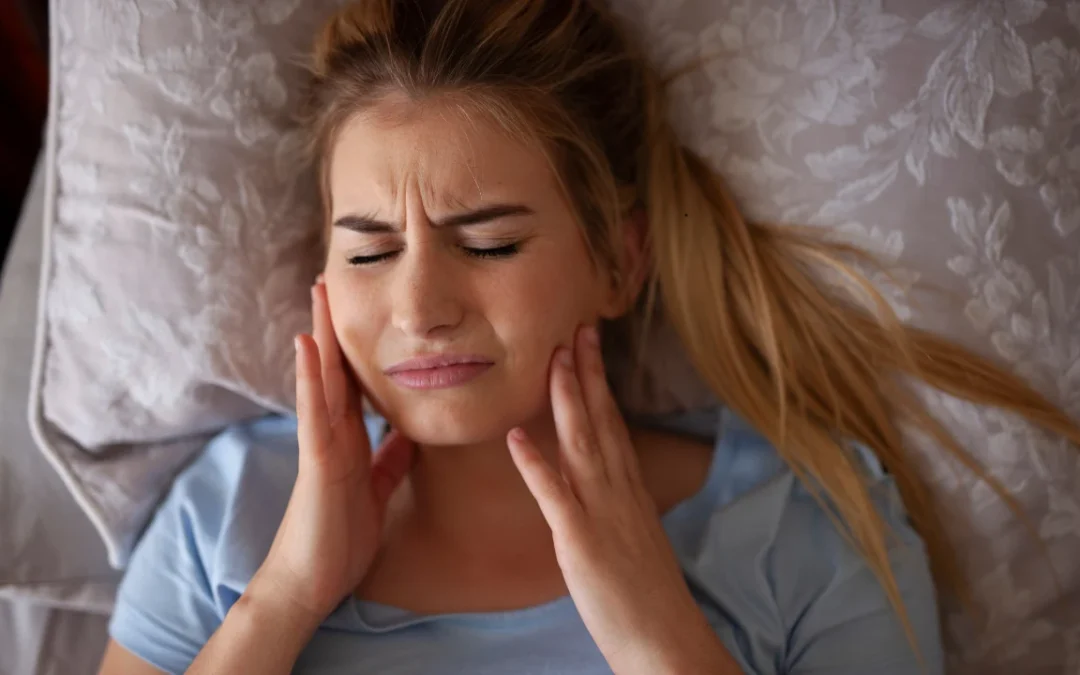
Stress can silently affect your oral health, often manifesting as teeth grinding and jaw clenching, medically known as bruxism. Many Australians experience this habit during periods of high stress or anxiety, and it can lead to significant dental damage, jaw pain, and headaches if left unmanaged. Bruxism is not always obvious, especially when it occurs during sleep, and early recognition is critical to prevent long-term complications. At St Leonards Dental, we help patients identify the signs of stress-induced grinding and offer practical solutions, including custom night guards, stress management strategies, and targeted dental treatments, to protect teeth and preserve jaw health.
Overview of Bruxism
Bruxism is the unconscious clenching, grinding, or gnashing of teeth that may occur during both waking and sleeping hours. Awake bruxism is usually associated with stress, anxiety, or concentration, whereas sleep bruxism occurs involuntarily and can be more damaging due to its frequency and intensity. Over time, teeth grinding can lead to enamel erosion, fractured teeth, tooth sensitivity, TMJ (temporomandibular joint) disorders, and persistent facial pain. Patients may also experience headaches, earaches, or jaw soreness, particularly in the morning after sleep-related bruxism episodes. Recognising bruxism early allows for timely intervention and reduces the risk of long-term damage.
At St Leonards Dental, we emphasise comprehensive patient care and education, helping individuals identify subtle signs of bruxism and implement strategies to prevent dental wear, jaw strain, and other complications.
Symptoms of Stress-Related Teeth Grinding
Identifying the signs and symptoms of bruxism is key for early diagnosis and bruxism treatment. Common indicators include:
- Headaches or facial pain, often noticeable in the morning
- Sore jaw muscles or tension in the jaw, temples, and facial area
- Earaches or tinnitus (ringing in the ears) without infection
- Tooth pain when eating due to enamel erosion or microfractures
- Difficulty opening or closing the mouth
- Visible tooth wear, cracks, or chips
- Indentations on the tongue or inner cheeks
These symptoms often correlate with awake bruxism (during stress or concentration) or sleep bruxism (more damaging over time). Regular dental check-ups can help identify subtle signs before serious dental or TMJ damage occurs.
Types of Bruxism
Bruxism is classified into two primary types based on when it occurs:
Awake Bruxism
- Typically stress-related or concentration-induced
- Involves jaw clenching without grinding
- Often manageable with behavioral interventions and stress reduction techniques
- May cause jaw soreness, mild tooth wear, and tension headaches
Sleep Bruxism
- Occurs during sleep, often without awareness
- Can result in significant tooth wear, enamel erosion, and TMJ strain
- More difficult to manage without professional intervention, including night guards and bite assessment
- Frequently associated with sleep disturbances, fatigue, and morning jaw pain
Understanding the type of bruxism is crucial for determining the most effective treatment strategy.
Causes and Risk Factors
Several factors contribute to stress-induced teeth grinding, including:
- Psychological stress, anxiety, or depression
- Lifestyle factors such as smoking, alcohol consumption, and high caffeine intake
- Medications, including selective serotonin reuptake inhibitors (SSRIs)
- Sleep disorders, including obstructive sleep apnea
- Previous history of bruxism or misaligned teeth
Other contributing causes include muscle tension, hormonal changes, and certain recreational drugs. Recognising these factors allows dentists at St Leonards Dental to personalise treatment plans, combining dental interventions with lifestyle or stress management strategies.
Complications of Untreated Bruxism
Left untreated, bruxism can lead to several oral health and systemic complications, including:
- Dental damage: Tooth enamel erosion, cracked or loose teeth, increased sensitivity
- TMJ disorders: Jaw pain, limited movement, popping or clicking of the jaw
- Facial pain and headaches
- Sleep disturbances due to nighttime grinding
- Gum recession and changes in bite alignment
Early detection and intervention are critical to prevent permanent damage and maintain long-term oral health.
Diagnosis
Dentists use several methods to diagnose bruxism:
- Physical examination: Look for signs of tooth wear, enamel loss, or jaw muscle hypertrophy
- Symptom evaluation: Assess headaches, jaw soreness, or ear pain
- Sleep studies (polysomnography): Recommended for severe or uncertain cases of sleep bruxism
- Bite assessment: Determine if occlusion or alignment issues contribute to grinding
Timely diagnosis enables effective prevention and management, reducing long-term risks.
Management and Treatment Options for Stress-Related Teeth Grinding
Addressing bruxism effectively requires a combination of professional dental care, lifestyle adjustments, and stress management strategies. At St Leonards Dental, our team helps patients protect their teeth, reduce jaw strain, and manage stress to prevent long-term damage.
Custom Mouth Guards and Night Guards
One of the most effective treatments for sleep bruxism is a custom-fitted mouth guard or night guard. These appliances are worn during sleep to protect teeth from excessive wear and reduce strain on the jaw muscles. Unlike over-the-counter alternatives, a custom night guard is designed specifically for your bite, ensuring comfort while effectively mitigating grinding forces. Night guards also help prevent TMJ pain, reduce morning jaw stiffness, and preserve enamel.
Stress Reduction Techniques
Since stress is a major trigger for awake bruxism, implementing stress management strategies can significantly reduce teeth grinding. Recommended techniques include:
- Meditation and mindfulness practices to calm the nervous system
- Exercise, including yoga or light cardio, to release tension
- Cognitive Behavioral Therapy (CBT) for patients with anxiety-related bruxism
- Simple jaw relaxation exercises throughout the day to reduce tension
Lifestyle Adjustments
Certain lifestyle factors contribute to bruxism and can be modified to minimise symptoms:
- Reduce caffeine and alcohol intake, especially in the evening
- Avoid smoking or vaping, which increases muscle tension and reduces circulation to oral tissues
- Maintain regular sleep schedules to support overall relaxation and reduce nighttime grinding
- Ensure proper hydration and balanced nutrition to support muscle recovery
Medications
In some cases, dentists may recommend short-term use of muscle relaxers to relieve jaw tension. These medications are typically used as a temporary measure while other behavioral and dental strategies take effect.
Botulinum Toxin (Botox®) Therapy
For severe cases of bruxism where conventional therapies fail, Botulinum toxin injections can help reduce involuntary jaw muscle contractions. Botox® relaxes the overactive muscles, reducing grinding intensity and protecting teeth and the TMJ. Treatment is performed by trained dental professionals and may be combined with night guards or behavioral therapy for optimal results.
Outlook and Prognosis
The prognosis for bruxism varies depending on age, severity, and underlying causes.
- Children often outgrow bruxism naturally, particularly awake bruxism related to emotional stress or concentration habits.
- Adults can manage symptoms effectively with a combination of night guards, stress management, and lifestyle modifications.
- Symptoms may diminish over time once stress triggers are reduced and proper protective measures are in place.
- Early intervention is critical to prevent permanent dental damage, TMJ disorders, and chronic jaw pain.
At St Leonards Dental, we provide ongoing monitoring and follow-ups to ensure long-term management success. Our team helps patients adapt to protective appliances, implement stress reduction strategies, and maintain healthy teeth and jaw function.
Preventive Strategies for Bruxism
Prevention is always better than repair, and proactive measures can significantly reduce the risk or severity of stress-related teeth grinding:
- Mindfulness and stress management: Regular meditation, breathing exercises, or counseling can lower muscle tension.
- Routine dental check-ups: Early detection of enamel wear or jaw strain allows timely intervention.
- Avoid stimulants: Limit caffeine, alcohol, and recreational drugs that can exacerbate bruxism.
- Quit smoking: Smoking contributes to muscle tension and reduces oral blood flow.
- Jaw relaxation exercises: Gentle stretching and massaging the jaw muscles can prevent clenching during the day.
- Custom night guards: Even if symptoms are mild, protective appliances can prevent enamel erosion and TMJ complications.
These strategies work in combination to protect teeth, reduce jaw discomfort, and prevent long-term complications such as tooth fractures, gum recession, and TMJ disorders.
Living with Bruxism
Living with stress-induced teeth grinding doesn’t mean you have to accept pain, tooth damage, or jaw discomfort as inevitable. With proper management, most patients maintain healthy teeth and jaw function while reducing symptoms. For individuals with chronic bruxism, awareness and daily habits play a significant role in preventing long-term complications.
Patients should monitor for early warning signs like jaw tension, morning headaches, or increased tooth sensitivity. Simple practices such as maintaining a stress-reduction routine, avoiding stimulants, and performing jaw relaxation exercises can prevent worsening of symptoms. Additionally, regular dental checkups at St Leonards Dental allow early identification of enamel wear, cracks, or bite misalignment, ensuring timely intervention and preservation of dental health.
Daily Oral Care and Lifestyle Tips
Proper oral hygiene and lifestyle adjustments are crucial for patients with bruxism:
- Gentle brushing and flossing: Protect the enamel and gum tissue from additional stress caused by grinding.
- Hydration: Adequate water intake keeps muscles and joints healthy, reducing tension in the jaw.
- Jaw exercises: Gentle stretching and relaxation exercises for the jaw muscles can reduce daytime clenching.
- Sleep hygiene: Maintaining a consistent sleep schedule improves sleep quality, reducing nighttime grinding.
- Avoiding stimulants: Limit caffeine, alcohol, and recreational drugs that can intensify bruxism episodes.
- Mouth protection: Use a custom night guard to protect teeth from grinding forces during sleep.
These steps not only protect teeth and prevent jaw disorders but also enhance overall comfort and wellbeing.
Monitoring and When to Seek Professional Help
Regular observation is key to controlling bruxism:
- Track symptoms such as jaw soreness, headaches, tooth sensitivity, and enamel wear.
- Note triggers, including stress, caffeine, alcohol, or late-night work.
- Seek dental consultation if you notice:
- Persistent jaw pain or clicking
- Worn, cracked, or chipped teeth
- Difficulty opening your mouth
- Morning headaches or earaches
At St Leonards Dental, our team evaluates patients for TMJ pain management, bite alignment issues, and dental damage. Early professional care, including custom night guards, bite adjustments, or restorative treatments, can prevent long-term damage and improve quality of life.
Frequently Asked Questions (FAQs)
1. Can stress really cause teeth grinding?
Yes. Psychological stress increases muscle tension, often triggering awake or sleep bruxism. Stress management can significantly reduce symptoms.
2. How do I know if I grind my teeth at night?
Signs include morning jaw soreness, headaches, worn enamel, chipped teeth, or your partner noticing teeth grinding sounds.
3. Can bruxism damage my teeth permanently?
Without intervention, chronic grinding can cause enamel erosion, tooth fractures, gum recession, and bite changes. Early detection and protective devices like night guards can prevent permanent damage.
Treatment options include custom night guards, bite splints, stress management strategies, jaw exercises, lifestyle adjustments, muscle relaxers, and in severe cases, Botox® therapy.
5. Is bruxism reversible?
While the habit may not completely disappear, symptoms can be controlled and dental damage prevented with the right interventions and ongoing monitoring.
Key Takeaways
- Stress is a major contributor to teeth grinding and jaw clenching, which can lead to long-term dental and jaw issues.
- Early recognition of symptoms, such as jaw soreness, headaches, and enamel wear, is critical to prevent complications.
- Custom night guards, stress reduction, lifestyle modifications, and regular dental visits are essential to manage bruxism effectively.
- Proactive oral care, hydration, and gentle jaw exercises support overall recovery and reduce muscle strain.
- At St Leonards Dental, our team provides personalized bruxism management, helping patients protect their teeth, prevent TMJ disorders, and improve comfort.
By following these strategies and consulting with dental professionals, Australians dealing with stress-induced teeth grinding can maintain strong teeth, healthy jaws, and overall oral wellbeing.


