

Chronic tooth pain can make normal daily life feel uncomfortable very quickly. A simple cup of coffee, a cold drink, a sweet snack, or chewing on one side of your mouth can suddenly become painful. Some people feel a sharp sting that disappears after a few seconds, while others deal with a deep ache that keeps coming back or wakes them at night. The most frustrating part is that tooth pain often feels confusing. It may seem minor in the morning, then become stronger by evening. It may settle with pain relief for a short time, then return again after eating. This is why finding the right chronic tooth pain solutions starts with understanding the cause, not just covering the pain.
Pain is the body’s way of warning that something needs attention. It may be linked to tooth decay, a cracked tooth, an infected nerve, gum disease, teeth grinding, a damaged filling, or wisdom tooth pressure. Some causes are simple to treat when found early, while others may become more serious if ignored. A dental check at St Leonards Green Dental can help identify the source of the pain and guide you to the right treatment, whether that is a filling, root canal treatment, crown, wisdom tooth care, gum treatment, or a custom nightguard.
What Counts as Chronic Tooth Pain?
Chronic tooth pain is pain that lasts longer than expected, keeps returning, or becomes a regular problem during eating, drinking, brushing, or sleeping. It may last for several days, appear on and off for weeks, or return whenever the tooth is exposed to pressure, temperature changes, or certain foods. Some people describe it as a dull ache. Others feel a sharp electric-like pain, a heavy pressure sensation, a throbbing pulse, or tenderness in the gum around the tooth. The pain may stay in one tooth, spread across several teeth, or feel like it is coming from the jaw, ear, or sinus area.
A short burst of sensitivity after a cold drink does not always mean there is a major dental problem, but repeated or worsening pain should not be ignored. Persistent tooth pain, recurring toothache, long-term dental pain, tooth nerve pain, and ongoing tooth sensitivity can all point to an issue that needs attention. The earlier the cause is found, the easier it may be to treat. A small cavity may need a simple filling, while deep decay that reaches the nerve may need root canal treatment or extraction if the tooth cannot be saved.
Chronic tooth pain is different from temporary irritation because it does not fully settle or it keeps coming back. For example, if a tooth hurts every time you bite, there may be a crack, high filling, infection, or pressure problem. If the pain wakes you at night, the tooth nerve may be inflamed or infected. If the gum around a tooth is swollen, there may be an abscess or gum infection. If your teeth feel sore every morning, grinding or clenching during sleep may be adding too much force to the teeth.
Why Chronic Tooth Pain Happens
Chronic tooth pain usually starts when the tooth, gum, nerve, or surrounding tissues are irritated, damaged, infected, or placed under too much pressure. The mouth is exposed to chewing forces, bacteria, acids, temperature changes, and daily habits such as brushing, grinding, and snacking. Over time, these factors can weaken enamel, expose dentin, damage old fillings, inflame gums, crack teeth, or allow bacteria to reach deeper areas of the tooth.
The key point is that tooth pain has many possible causes, and different causes need different solutions. A painkiller may reduce discomfort for a few hours, but it cannot tell you whether the tooth needs a filling, crown, root canal, nightguard, gum treatment, or wisdom tooth assessment. This is why a dental examination is important. Your dentist can check the tooth surface, gum health, bite pressure, previous fillings, cracks, X-rays, and symptoms to find the real reason for the pain.
Tooth Decay and Cavities
Tooth decay is one of the most common causes of ongoing tooth pain. It begins when bacteria in dental plaque produce acids that slowly damage the enamel, which is the hard outer layer of the tooth. Once the enamel is weakened, decay can move deeper into the dentin. Dentin is more sensitive than enamel because it has tiny channels that can connect irritation closer to the nerve area. This is why a cavity may cause pain with cold drinks, sweet foods, brushing, or chewing.
At first, a cavity may cause mild sensitivity that comes and goes. As the decay grows, the pain may become more frequent, stronger, or harder to ignore. Food may get trapped in the area, and the tooth may feel rough, dark, or tender. If decay is treated early, a tooth-coloured filling may restore the damaged part of the tooth and seal it from further bacterial attack. St Leonards Green Dental provides white fillings that are made to mimic natural tooth structure, which can be useful for patients who want a natural-looking repair.
If tooth decay is left untreated, bacteria can move closer to the pulp, where the tooth nerve and blood supply are located. Once the pulp becomes inflamed or infected, a simple filling may no longer be enough. At that stage, root canal treatment or extraction may be discussed depending on the condition of the tooth. This is why regular checkups and early attention to sensitivity are important parts of long-term tooth pain prevention.
Tooth Nerve Infection or Dental Abscess
A tooth nerve infection can cause some of the most intense forms of dental pain. The pulp inside the tooth can become infected because of deep decay, a large crack, trauma, repeated dental stress, or an old restoration that no longer seals the tooth properly. When bacteria reach the pulp, the inside of the tooth can become inflamed and painful. The pain may feel deep, throbbing, hot, or pressure-like. It may spread to the jaw, ear, temple, or other teeth, making it hard to tell where the problem started.
A dental abscess forms when infection creates a pocket of pus around the tooth or gum. Warning signs can include swelling, a bad taste in the mouth, fever, gum boil, pain when biting, or a tooth that feels raised. Some people notice that pain becomes worse when lying down because pressure around the infected area changes. If swelling spreads to the face, jaw, neck, or throat, urgent dental or medical care is needed.
Root canal treatment is often used when the tooth can still be saved. During this treatment, the infected or dying pulp is removed, the root canals are cleaned and sealed, and the tooth is later restored. If the tooth is too damaged or the infection has made saving it unreliable, extraction may be considered.
Cracked or Fractured Tooth
A cracked tooth can be difficult to identify because the crack is not always visible. Some cracks are tiny and may only open when biting pressure is applied. This can create sharp pain during chewing or when releasing the bite. A cracked tooth may also react to cold, hot, or sweet foods if the inner layers of the tooth are exposed. In some cases, the pain comes and goes, which can make patients delay treatment because the tooth may feel normal between episodes.
Cracks can happen for many reasons. They may be caused by biting hard foods, trauma, large old fillings, tooth wear, grinding, clenching, or natural weakening of the tooth structure over time. A tooth with a large filling may have less natural structure left to absorb chewing forces, making it more likely to crack. If a crack reaches the pulp, the tooth may develop nerve pain or infection.
Treatment depends on how deep and wide the crack is. A small chip may be repaired with bonding or a filling. A larger crack may need a crown to hold the tooth together and protect it during chewing. If the pulp is affected, root canal treatment may be needed before the crown. If the crack extends below the gumline or into the root, the tooth may not be predictable to save, and extraction may be discussed. Early diagnosis gives the best chance of preserving the natural tooth.
Old, Loose, or Leaking Fillings
Dental fillings are strong, but they do not last forever. Over time, a filling can wear down, chip, loosen, crack, or pull away from the tooth. When this happens, tiny gaps can form between the filling and the tooth surface. Bacteria, saliva, air, and food particles may enter these gaps and irritate the tooth underneath. This can lead to sensitivity, pain while chewing, food trapping, bad taste, or decay around the edges of the filling.
A damaged filling may not always look obvious to the patient. The tooth may look normal in the mirror, yet still hurt when biting. Sometimes the filling sits slightly high after dental treatment, placing extra pressure on the tooth every time the upper and lower teeth meet. This can make the tooth sore, especially during chewing. In other cases, decay can develop under an old filling and move deeper before visible symptoms appear.
Replacing an old or leaking filling early can help protect the tooth from more serious damage. The dentist removes weakened filling material and decay, cleans the area, and places a new restoration. If too much tooth structure has been lost, a crown may be more suitable than another filling. If the nerve is already involved, root canal treatment may be needed. This is why pain around an old filling should be checked rather than ignored.
Gum Disease or Gum Recession
Tooth pain does not always come from the tooth itself. The gums and supporting bone around the teeth can also cause discomfort. Gum disease begins when plaque and bacteria build up around the gumline. Early gum inflammation may cause bleeding, tenderness, swelling, or bad breath. If it progresses, the gums can pull away from the teeth, creating deeper spaces where bacteria can collect. Over time, this can damage the bone and tissues that hold the teeth in place. Gum recession can expose the roots of the teeth. Tooth roots are not covered by strong enamel like the crown of the tooth, so they can become sensitive to cold air, brushing, sweet foods, or acidic drinks. People with gum recession may feel sharp pain near the gumline, especially when brushing or drinking cold water. This can feel similar to a cavity, which is why a dental check is needed to tell the difference.
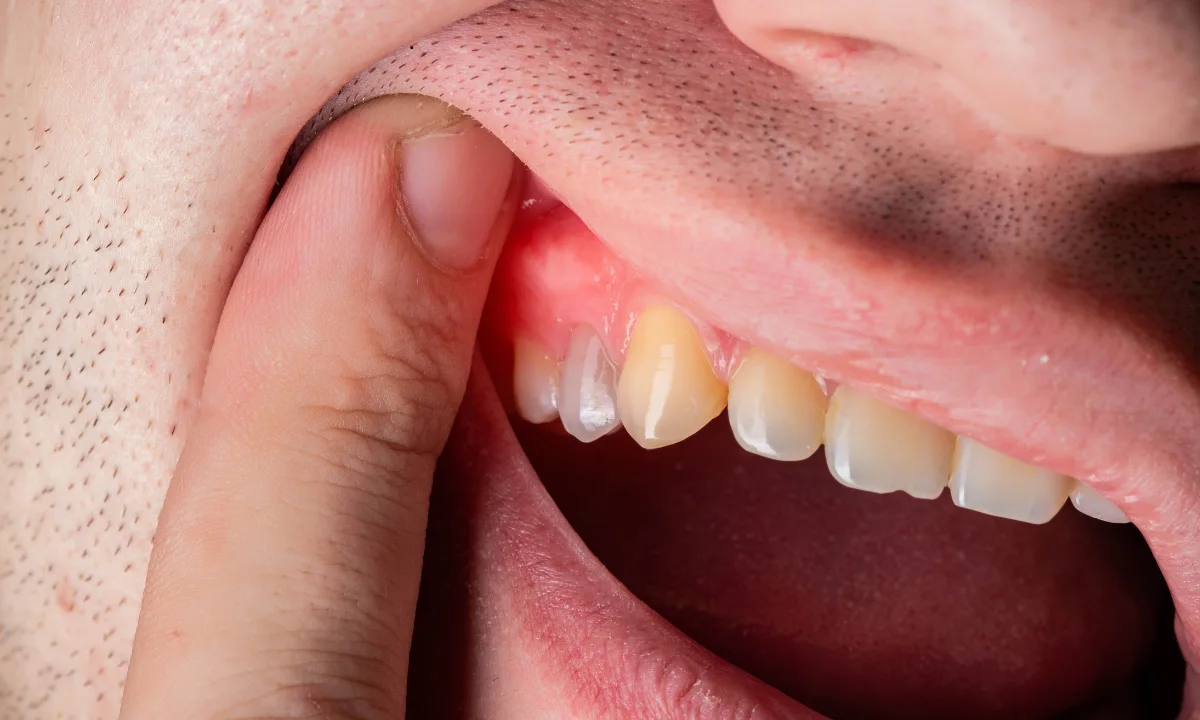
Treatment depends on the gum condition. A routine scale and clean may help if plaque and tartar are causing early inflammation. More advanced gum problems may need deeper cleaning, ongoing gum maintenance, and changes to daily oral hygiene. Using a soft toothbrush, avoiding aggressive brushing, cleaning between the teeth, and attending regular dental visits can help reduce the risk of gum-related tooth pain.
Teeth Grinding and Jaw Clenching
Teeth grinding and jaw clenching can cause chronic tooth pain even when there is no cavity. Many people grind or clench during sleep without realising it. Others clench during the day while working, driving, exercising, or feeling stressed. This repeated pressure can overload the teeth, jaw muscles, and jaw joints. Over time, it may cause morning tooth soreness, jaw tightness, headaches, ear pain, worn enamel, cracked teeth, chipped fillings, and sensitivity.
The force of grinding can be much stronger than normal chewing. Teeth are made for biting and chewing food, but they are not meant to rub heavily against each other for long periods. When this happens night after night, the enamel can wear down and the teeth can become more sensitive. Fillings and crowns may also take extra stress. A tooth that already has a large filling or small crack may become painful under grinding pressure.
A custom nightguard can help protect the teeth during sleep. Bruxism mouthguards create space between the upper and lower teeth, helping reduce full tooth-to-tooth pressure. A custom appliance is made from impressions of your teeth, so it fits more securely than a standard over-the-counter guard. It does not cure every cause of grinding, but it can reduce damage and help protect teeth from further wear.
Wisdom Tooth Problems
Wisdom teeth can cause chronic or recurring pain at the back of the mouth. These third molars often come through in the late teenage years or early adulthood, but there is not always enough space for them to erupt properly. A wisdom tooth may become impacted, meaning it is trapped under the gum or blocked by another tooth. It may also partially erupt, leaving a flap of gum where food and bacteria can collect.
Pain from wisdom teeth may feel like pressure, gum tenderness, swelling, bad taste, jaw stiffness, or pain that spreads to the ear or throat. Some people feel discomfort only on one side. Others have repeated infections around the same wisdom tooth. Because wisdom teeth are far back in the mouth, they can be difficult to clean well, increasing the risk of decay and gum infection around the area.
A wisdom tooth assessment usually includes an examination and X-ray to check the position of the tooth, nearby roots, bone, and nerve structures. St Leonards Green Dental offers wisdom tooth evaluation and in-house wisdom tooth removal with a visiting oral surgery specialist for suitable cases. If a wisdom tooth is repeatedly infected, damaging the tooth beside it, or unlikely to erupt properly, removal may be recommended.
Non-Dental Pain That Feels Like Tooth Pain
Sometimes pain that feels like a toothache may come from outside the tooth. Sinus pressure can make upper back teeth feel heavy or tender, especially during a cold, allergy flare-up, or sinus infection. Jaw joint problems can cause pain around the jaw, ear, cheek, and teeth. Nerve-related pain can create sharp or burning sensations that may be hard to trace. Ear problems can also refer pain to the jaw and teeth.
Even when the source is not dental, it is still sensible to rule out tooth problems first. Dental causes such as decay, cracks, abscesses, gum disease, and damaged fillings can become worse if left untreated. A dentist can examine the teeth and gums, check X-rays if needed, and decide whether the symptoms are likely coming from the mouth or may need medical review.
The important point is that you should not self-diagnose long-term tooth pain based on symptoms alone. Many dental problems overlap. A cracked tooth can feel like sensitivity. An abscess can feel like jaw pressure. Grinding can mimic toothache across several teeth. A proper assessment helps avoid delay and leads to the right care plan.
What You Can Do at Home Before Seeing a Dentist
If tooth pain is ongoing, home care should only be used as short-term support until a dentist checks the cause. These steps can help reduce irritation, control discomfort, and protect the painful tooth from extra pressure. They are useful if you are waiting for an appointment, but they should not be treated as permanent chronic tooth pain solutions. Pain that keeps coming back usually means something inside the tooth, gum, bite, or jaw needs professional attention.
Safe Temporary Relief Steps
A few simple steps may help calm the area before your dental visit. Rinsing gently with warm salt water can help clean the mouth and soothe irritated gums. If food is trapped between teeth, gentle flossing may reduce pressure and discomfort. A cold compress on the outside of the cheek may help if there is swelling or soreness. Eating soft foods and chewing on the opposite side can also stop the painful tooth from becoming more irritated.
You can try the following while arranging dental care:
- Rinse with warm salt water.
- Floss gently to remove trapped food.
- Use a cold compress outside the cheek if swelling is present.
- Eat soft foods such as soup, yoghurt, eggs, rice, or mashed vegetables.
- Avoid chewing on the painful side.
- Avoid very hot, cold, sweet, acidic, hard, or sticky foods.
- Use over-the-counter pain relief only according to the label or advice from a health professional..
Why Home Care Is Not a Permanent Solution
Home care can reduce discomfort, but it cannot repair the actual dental problem. A salt water rinse cannot remove decay. A cold compress cannot treat an infected nerve. Pain relief cannot seal a cracked tooth or replace a leaking filling. If the pain is caused by a dental abscess, root infection, gum disease, or wisdom tooth problem, the condition may continue to worsen even if the pain settles for a few hours.
This is why dental assessment matters. The goal is not just to reduce pain for one day. The goal is to find the source, protect the tooth, and prevent repeat pain. At St Leonards Green Dental, the dentist can check the tooth, gums, bite, old fillings, and X-rays if needed, then explain whether the right option is a filling, root canal treatment, crown, wisdom tooth care, gum treatment, extraction, or a nightguard.
Professional Chronic Tooth Pain Solutions
Professional treatment depends on the cause of the pain. Two patients may both have toothache, but one may need a simple filling while the other may need root canal treatment, wisdom tooth removal, or gum care. This is why the best treatment starts with a proper diagnosis. Once the cause is clear, the dentist can choose the least invasive option that can give lasting relief and protect oral health.
Dental Examination and X-Rays
A dental examination is the first step because chronic tooth pain can come from many places. The dentist may ask when the pain started, what triggers it, whether it reacts to cold or heat, whether chewing hurts, and whether swelling or night pain is present. They may check the tooth surface, gum health, previous fillings, crowns, bite pressure, and signs of cracks or infection. X-rays may be recommended if the problem is not visible during the exam. They can help detect decay between teeth, infection near the root, bone changes, impacted wisdom teeth, and problems under old restorations. This step helps avoid guesswork and makes treatment more accurate.
Dental Fillings
Dental fillings are commonly used when chronic tooth pain is caused by a cavity, minor tooth damage, or early decay. If bacteria have damaged part of the tooth but the nerve is still healthy, the decayed area can be removed and the tooth can be sealed with a filling. This helps stop sensitivity, prevents food from entering the cavity, and protects the tooth from further decay. Tooth-coloured fillings are useful for people who want the repair to blend with their natural smile. At St Leonards Green Dental, white fillings are used to mimic natural tooth appearance and restore function. If the cavity is treated early, the process is usually simpler than waiting until decay reaches the nerve.
Root Canal Treatment
Root canal treatment may be needed when tooth pain is caused by infected or inflamed pulp inside the tooth. The pulp contains nerves and blood vessels, and it can become damaged by deep decay, cracks, trauma, or repeated dental stress. Pain may feel deep, throbbing, constant, or worse at night. Swelling, bad taste, gum boil, or pain when biting may also be present. During root canal treatment, the infected or inflamed tissue is removed from inside the tooth. The canals are cleaned, shaped, and sealed to help stop infection from returning. After this, a crown may be recommended if the tooth is weak or heavily restored. The main aim is to save the natural tooth where possible and remove the source of pain.
Dental Crowns
A dental crown may be recommended when a tooth is cracked, weak, heavily filled, or at risk of breaking. If a tooth has lost a lot of structure, another filling may not be strong enough for long-term chewing pressure. A crown covers and protects the tooth, helping restore strength, shape, and function.
Crowns are often used after root canal treatment because the tooth may become weaker after infection and internal cleaning. They may also help with cracked tooth pain if the crack has not made the tooth hopeless. For patients with chronic pain when biting, a crown can sometimes stabilise the tooth and reduce movement of cracked sections.
Filling Replacement or Bite Adjustment
Pain around an old filling may happen if the filling is cracked, loose, worn, leaking, or sitting too high in the bite. A leaking filling can allow bacteria and fluid to irritate the tooth underneath. A high filling can place extra pressure on the tooth every time you chew, causing soreness that may feel like deep toothache. In some cases, replacing the filling solves the problem. In other cases, the dentist may need to adjust the bite so pressure is spread more evenly. If decay has spread underneath the filling or reached the nerve, further treatment may be needed. This is why pain around an old restoration should be checked rather than managed with pain relief alone.
Wisdom Tooth Treatment
Wisdom tooth pain often appears at the back of the mouth and may come and go. A wisdom tooth can become impacted, partially erupted, infected, or difficult to clean. Food and bacteria can become trapped around the gum, causing swelling, tenderness, bad taste, and jaw discomfort. Pain may also spread to the ear, throat, or nearby teeth. Treatment depends on the position of the wisdom tooth and how often symptoms occur. The dentist may clean the area, manage infection, take X-rays, and assess whether the tooth is likely to keep causing problems. If the wisdom tooth is impacted, repeatedly infected, or damaging nearby teeth, removal may be recommended.
Gum Disease Treatment
If chronic tooth pain is linked with gum disease, the treatment focuses on reducing inflammation and controlling bacteria around the teeth. Gum disease may cause bleeding, swelling, bad breath, tenderness, gum recession, and loose teeth. Exposed roots can also create sharp sensitivity near the gumline. Professional cleaning can remove plaque and tartar that brushing cannot fully clear. If gum pockets are deeper, more focused gum treatment may be needed. The dentist or hygienist may also guide you on brushing technique, interdental cleaning, and maintenance visits. Treating gum problems early can reduce pain and help protect the supporting bone around the teeth.
Custom Nightguards
A custom nightguard may help if chronic tooth pain is caused by grinding or clenching. Many people grind during sleep without knowing it. Signs can include morning tooth soreness, jaw tightness, headaches, worn teeth, chipped fillings, and sensitivity. The pain may affect one tooth or several teeth at once. A custom nightguard is made to fit your teeth and create a protective barrier between the upper and lower teeth. It helps reduce the direct pressure caused by grinding and may protect teeth from cracks, wear, and restoration damage. This is especially helpful for patients who keep getting tooth soreness without obvious decay or infection.
Tooth Extraction
Extraction is usually considered when a tooth cannot be restored predictably. This may happen with severe infection, deep cracks, advanced decay, major bone loss, or wisdom teeth that keep causing problems. Dentists usually consider ways to save the natural tooth first, but in some cases removing the tooth is the safest option for pain relief and infection control. After extraction, replacement options may be discussed depending on the tooth location and your long-term needs. These may include a dental implant, bridge, denture, or other restorative plan. Replacing a missing tooth can help maintain chewing comfort, smile appearance, and bite balance.
When Chronic Tooth Pain Becomes an Emergency
Chronic tooth pain becomes more urgent when it is severe, spreading, linked with swelling, or affecting your ability to eat, sleep, open your mouth, or feel well. Dental infection can become serious if it spreads beyond the tooth or gum. Pain that wakes you at night, swelling in the face or jaw, fever, pus, or difficulty swallowing should never be ignored.
You should contact a dentist urgently if you have:
- Severe tooth pain that does not settle.
- Facial, gum, or jaw swelling.
- Fever or feeling unwell.
- Pus, gum boil, or bad taste.
- Pain after a dental injury.
- Broken, cracked, or knocked-out tooth.
- Difficulty opening your mouth.
- Trouble swallowing or breathing.
- Toothache that wakes you at night.
- Pain that lasts more than a couple of days.
- Wisdom tooth pain with swelling or jaw stiffness.
If your tooth pain is severe or getting worse, we provide emergency dental care for urgent problems such as toothache, swelling, broken teeth, lost fillings, dental trauma, and wisdom tooth pain. Prompt care can help reduce pain, identify the cause, and prevent the issue from becoming harder to treat.
How Dentists Find the Real Cause of Tooth Pain
A clear diagnosis is the most important part of treating chronic tooth pain. The dentist does not look at pain in isolation. They combine your symptoms with a clinical exam and, if needed, X-rays or simple dental tests. This helps separate tooth decay from nerve infection, gum disease, cracks, grinding, wisdom tooth problems, and referred pain.
During the appointment, your dentist may check:
- Which tooth or area hurts.
- How long the pain has been present.
- Whether cold, heat, sweets, or pressure trigger it.
- Whether pain lingers after the trigger is gone.
- Whether chewing or biting causes pain.
- Whether swelling, bleeding, pus, or bad taste is present.
- Whether old fillings, crowns, or cracks are involved.
- Whether grinding or clenching may be adding pressure.
- Whether wisdom teeth are affecting the back of the mouth.
They may also use cold testing, tapping, bite testing, gum measurements, visual crack checks, and dental X-rays. These steps help decide whether you need a filling, crown, root canal treatment, gum care, wisdom tooth treatment, bite adjustment, nightguard, or extraction. The value of diagnosis is simple: the right treatment saves time, reduces repeat pain, and protects healthy tooth structure. Without diagnosis, a person may keep using pain relief while the real problem gets worse. With diagnosis, the dentist can explain what is happening, what the options are, and which treatment gives the best chance of lasting relief.
How to Prevent Chronic Tooth Pain From Coming Back
Preventing chronic tooth pain is usually easier, cheaper, and more comfortable than treating a serious dental problem later. Many long-term toothache problems begin as small issues: a tiny cavity, mild gum inflammation, a worn filling, early grinding damage, or sensitivity near the gumline. These may not feel urgent at first, but they can slowly become painful if bacteria, bite pressure, or enamel wear continue. Good prevention means keeping the teeth clean, reducing stress on the teeth, and having small concerns checked before they turn into deep decay, infection, or tooth fracture.
Maintain Regular Dental Checkups
Regular dental checkups help detect problems before pain becomes severe. A dentist can find early decay, gum disease, cracked fillings, bite pressure, enamel wear, and wisdom tooth issues that may not be easy to see at home. Many people only book an appointment after pain starts, but routine visits can help prevent pain from developing in the first place. At St Leonards Green Dental, a checkup can include an examination of your teeth, gums, bite, restorations, and areas that may be hard to clean. If needed, X-rays may be used to check between teeth, under old fillings, or around tooth roots. This is especially helpful for patients who have had past tooth pain, multiple fillings, gum concerns, grinding habits, or wisdom tooth discomfort.

Improve Daily Oral Hygiene
Daily cleaning is one of the most effective ways to reduce the risk of tooth decay and gum-related pain. Brushing twice a day with fluoride toothpaste helps protect enamel and remove plaque from tooth surfaces. Cleaning between the teeth with floss or interdental brushes helps remove food and bacteria from areas a toothbrush cannot reach properly. Good oral hygiene should be gentle, not aggressive. Brushing too hard can damage the gums and expose sensitive root surfaces. A soft toothbrush, small circular movements, and careful cleaning near the gumline can help keep the mouth healthy without causing extra sensitivity. If you often miss the back teeth or find flossing difficult, ask your dentist or hygienist for a method that suits your mouth.
Reduce Sugar and Acid Exposure
Frequent sugar and acid exposure can weaken enamel and increase the risk of cavities, sensitivity, and tooth pain. Soft drinks, sports drinks, fruit juices, sweets, frequent snacking, and acidic foods can keep the mouth in an acid state for longer periods. This gives bacteria more chances to damage enamel and dentin. You do not have to remove every treat from your diet, but timing and frequency matter. It is better to have sweet or acidic foods with meals rather than grazing all day. Drinking water after acidic drinks, limiting sugary snacks, and waiting before brushing after acidic foods can help protect enamel. Small daily habits often make a major difference in long-term dental comfort.
Replace Old or Damaged Fillings Early
Old fillings can crack, leak, loosen, or wear down with time. Once a filling no longer seals the tooth properly, bacteria can enter around the edges and cause decay underneath. This may lead to sensitivity, chewing pain, bad taste, food trapping, or deeper infection if not treated.
Replacing a damaged filling early can help protect the tooth before the problem reaches the nerve. If the tooth has lost too much structure, a crown may be recommended instead of another filling. The key is to check the tooth before pain becomes intense. A small repair today may prevent root canal treatment or extraction later.
Protect Teeth From Grinding and Sports Injuries
Teeth grinding, jaw clenching, and sports injuries are common reasons for cracks, chips, worn enamel, and chronic tooth soreness. Grinding often happens during sleep, so many people do not know they are doing it until a dentist notices tooth wear or they start waking with jaw pain. Sports injuries can also damage teeth suddenly, especially in contact sports. A custom nightguard may help protect teeth from grinding pressure during sleep. A custom sports mouthguard can reduce the risk of dental trauma during sport. These appliances are made to fit your mouth more accurately than standard store-bought guards, which can make them more comfortable and secure.
Do Not Ignore Early Sensitivity
Sensitivity is often the first warning sign that something is changing. It may be caused by enamel wear, gum recession, early decay, a small crack, whitening irritation, or an exposed root surface. If sensitivity is mild and short-lived, it may improve with better oral care and sensitivity toothpaste. If it keeps coming back, affects one tooth strongly, or gets worse, it should be checked. Early sensitivity treatment may be simple. Your dentist may suggest fluoride treatment, a change in brushing technique, a filling, bonding, gum care, or bite management. Waiting too long can allow a small issue to develop into stronger pain, infection, or structural damage.
Why Choose St Leonards Green Dental for Tooth Pain Assessment?
St Leonards Green Dental is relevant for patients looking for chronic tooth pain solutions because the clinic offers services that directly connect with the most common causes of long-term toothache. These include tooth-coloured fillings for cavities, root canal treatment for infected tooth pulp, crowns for weakened teeth, wisdom tooth evaluation, custom mouthguards for grinding, and emergency dental care for urgent pain. A good tooth pain appointment should be clear and practical. The dentist should explain what is causing the pain, what treatment options are available, what can happen if the problem is delayed, and how the tooth can be protected after treatment. This helps patients make informed decisions without feeling rushed or confused.
Final Verdict
Chronic tooth pain is a warning sign that should not be ignored. It may be caused by a cavity, infected tooth nerve, cracked tooth, damaged filling, gum disease, wisdom tooth problem, or teeth grinding. Temporary home care may help reduce discomfort for a short time, but lasting relief depends on finding and treating the real cause. The most important step is diagnosis. Once the cause is clear, the right treatment may be as simple as a filling or as involved as root canal treatment, crown protection, wisdom tooth removal, gum care, or a custom nightguard. Early care can reduce pain, protect natural teeth, and help avoid more serious dental problems.
If you are dealing with ongoing tooth pain in St Leonards or nearby areas, book an appointment with St Leonards Green Dental. A dental assessment can help identify the source of your pain and guide you to the most suitable treatment option


