

Missing teeth can affect how you eat, speak, and feel about your smile. Many people delay treatment because they expect long procedures and multiple visits. One-day dental implants change that experience by offering a faster solution where you can walk out with functional teeth on the same day. This approach is gaining popularity across Australia because it reduces waiting time while still delivering strong and natural-looking results. At clinics like St Leonards Green Dental, patients are guided through modern implant solutions using advanced scans and personalised treatment planning, helping them restore their smile with confidence and clarity.
What Are One-Day Dental Implants?
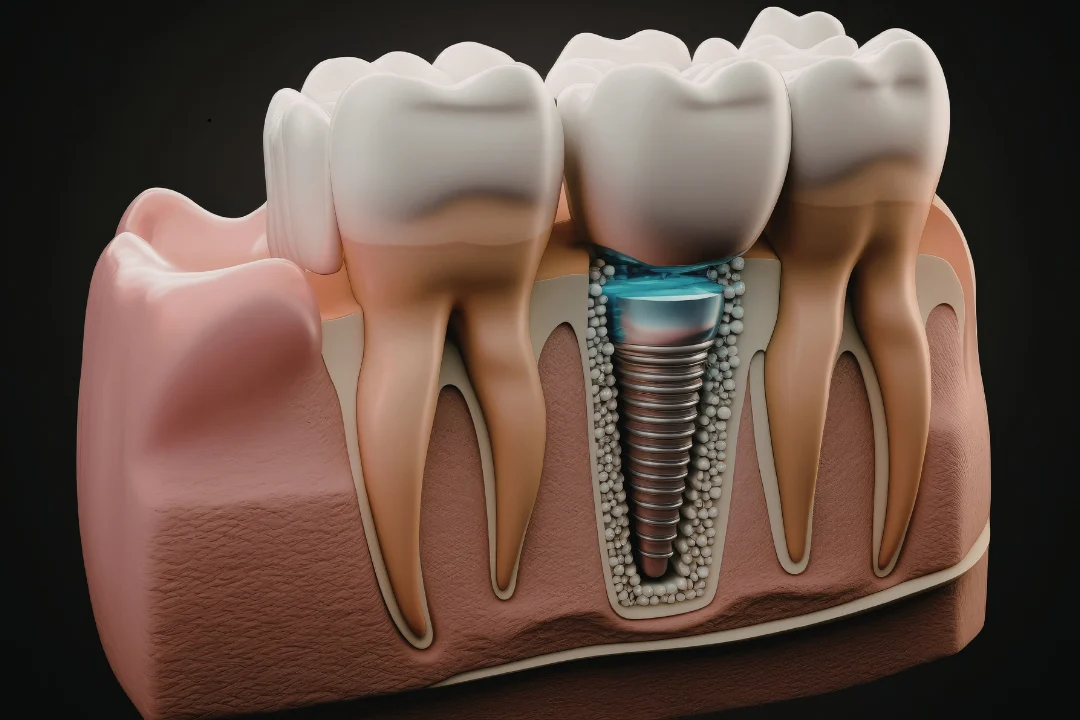
One-day dental implants, also known as same-day dental implants or immediate load implants, are a modern tooth replacement method where a dental implant and a temporary tooth are placed in a single visit. Unlike traditional dental implants that require months of healing before placing a crown, this method allows patients to leave the clinic with a visible and functional tooth on the same day. The implant itself acts as an artificial tooth root, usually made of titanium, which is inserted into the jawbone to support a crown, bridge, or denture.
This approach is ideal for patients who want faster results without compromising appearance. While the final crown is placed after healing, the temporary crown ensures you do not have to go without teeth during the recovery phase. For many Australians, this means less disruption to daily life and improved confidence right after treatment.
How Immediate Load Implants Work?
Immediate load implants work by achieving strong initial stability in the jawbone at the time of placement. This stability allows the dentist to attach a temporary crown straight away. The process begins with placing the implant securely into the bone, followed by fixing a temporary restoration on top. Over time, the implant integrates with the bone through a process called osseointegration, which ensures long-term strength and durability.
Even though the visible result is immediate, the biological healing continues beneath the surface. The bone gradually fuses with the implant, creating a stable foundation for the permanent crown. This combination of instant results and gradual healing is what makes one-day implants both efficient and reliable when performed under the right conditions.
One-Day vs Traditional Dental Implants
Understanding the difference between one-day and traditional dental implants helps patients make informed decisions. While both options aim to replace missing teeth, the timeline and process vary significantly.
| Feature | One-Day Dental Implants | Traditional Dental Implants |
| Treatment Time | Teeth placed same day | 3–6 months process |
| Healing Approach | Immediate load | Delayed load |
| Appointments | Fewer visits | Multiple stages |
| Aesthetic Result | Instant smile | Gradual restoration |
| Suitability | Limited cases | Wider eligibility |
One-day implants focus on speed and convenience, while traditional implants prioritise a slower, staged healing process. The right choice depends on bone condition, oral health, and individual needs, which is why professional assessment is essential.
Types of Same-Day Implant Solutions Available
One-day dental implants are not limited to a single treatment type. They can be adapted based on how many teeth need to be replaced and the condition of the jawbone. This flexibility allows dentists to offer customised solutions for different patients.
Single Tooth Implant
A single implant replaces one missing tooth using a titanium post and a temporary crown placed on the same day. This option is suitable when the surrounding teeth are healthy and the bone is strong.
Multiple Implants with Bridge
When several teeth are missing, implants can support a dental bridge. Instead of placing an implant for each missing tooth, a few implants are used to hold a fixed bridge, restoring both function and appearance efficiently.
Full Arch (All-on-4 / Teeth in a Day)
This solution replaces a full set of teeth using four or more implants. A temporary full-arch prosthesis is attached on the same day, allowing patients to regain a complete smile quickly. This method is widely used for patients with multiple missing or damaged teeth.
Implant-Supported Dentures
For patients who already use dentures, implant-supported dentures provide better stability. The dentures are secured onto implants, reducing movement and improving comfort while still offering a same-day improvement in function.
Complete One-Day Implant Procedure (From Scan to Smile)
Understanding the full process helps remove uncertainty and builds confidence before starting treatment. One-day dental implants follow a structured clinical approach where each step is planned carefully to ensure stability, safety, and long-term success. The use of modern imaging and precise surgical techniques allows dentists to complete key stages in a single visit while still supporting proper healing over time. At St Leonards Green Dental, this process is guided by advanced diagnostics and patient-focused planning, ensuring every step is aligned with your oral health condition.
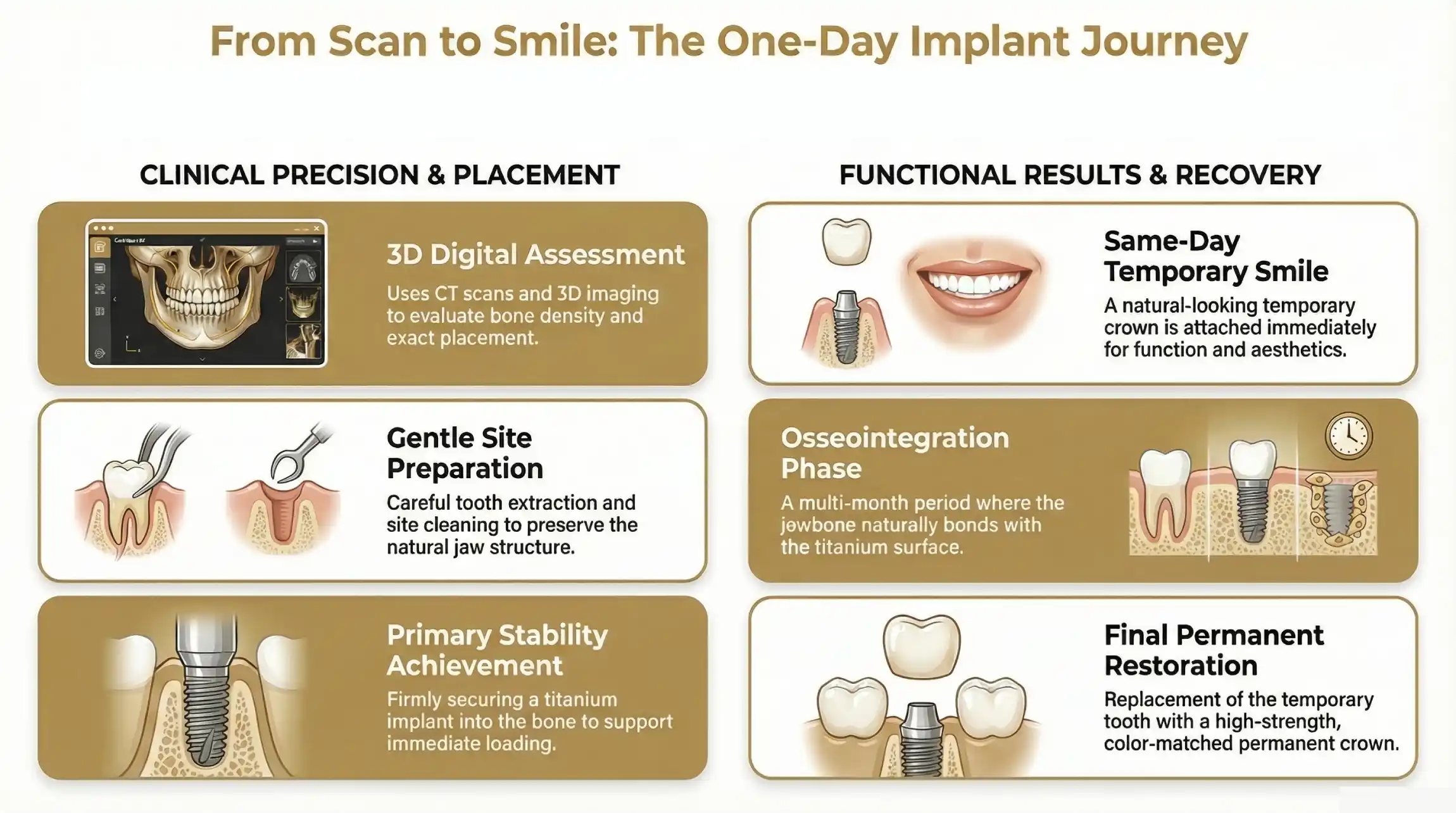
Digital Assessment and Treatment Planning
The first step involves a detailed evaluation using X-rays, CT scans, and 3D imaging. These tools give a clear view of the jawbone, gum condition, and surrounding structures. Dentists assess bone density, thickness, and the exact position for implant placement. This stage is important because immediate implants require strong initial stability.
A personalised treatment plan is then created based on the findings. This includes deciding the number of implants needed, the type of restoration (crown, bridge, or denture), and whether additional procedures like bone grafting are required. Proper planning at this stage reduces risks and improves overall success rates.
Tooth Extraction and Site Preparation
If the damaged or decayed tooth is still present, it is removed carefully during the same appointment. The dentist ensures the surrounding bone and tissue are preserved as much as possible. This helps maintain the natural structure of the jaw and supports better implant placement. The tooth extraction site is then cleaned to remove bacteria and prevent infection. In some cases, minor bone shaping may be done to create an ideal foundation for the implant. This preparation step plays a key role in achieving stability for the implant.
Implant Placement Surgery
Once the site is ready, the dental implant is placed into the jawbone. The implant acts as an artificial root and is usually made of titanium due to its strength and compatibility with bone. The procedure is performed under local anaesthesia, and sedation options may be available for added comfort. The dentist focuses on achieving primary stability, which means the implant must be firmly secured in the bone at the time of placement. This stability is what allows a temporary tooth to be attached immediately. Precision in this step is essential for long-term success.
Immediate Temporary Teeth Placement
After the implant is placed, a temporary crown, bridge, or denture is attached on the same day. This temporary restoration is designed to look natural and provide basic function, allowing patients to eat soft foods and speak comfortably. While the temporary tooth is not as strong as the final restoration, it plays an important role in protecting the implant during healing. It also allows patients to maintain their appearance without gaps, which is a major advantage of same-day implants.
Healing Phase and Final Restoration
After the procedure, the implant begins the process of osseointegration, where the bone gradually bonds with the implant surface. This phase typically takes a few months and is essential for creating a stable foundation. Once healing is complete, the temporary crown is replaced with a permanent crown or bridge. The final restoration is stronger, more durable, and designed to match the natural teeth in shape and colour. This completes the full treatment cycle.
Real Timeline: What “One Day” Actually Includes
The term “one day dental implants” can sometimes be misunderstood. While the implant placement and temporary tooth are completed in a single visit, the full treatment process continues beyond that day. Here’s a clear breakdown:
| Stage | Timeline |
| Consultation & scans | Before procedure |
| Implant + temporary tooth | Same day |
| Initial healing | 1–2 weeks |
| Bone integration | 3–6 months |
| Permanent crown placement | After healing |
This means patients benefit from immediate results while still allowing the body time to heal properly. Knowing this timeline helps set realistic expectations and avoids confusion about the process.
Recovery and Healing Stages Explained
Recovery after one-day dental implants happens in phases, and each stage plays a role in the outcome. While you walk out with a new tooth, the surgical site is still delicate; following a specific guide on what to eat after dental implant surgery is essential to protect the implant during the initial bone integration phase
First 24–48 Hours
During the first couple of days, mild swelling, discomfort, or slight bleeding may occur. This is a normal response to surgery. Patients are usually advised to rest, avoid hard foods, and follow prescribed medications to manage discomfort and prevent infection.
First Week (Soft Tissue Healing)
In the first week, the gums begin to heal around the implant. Swelling reduces, and the area becomes more stable. Soft foods are recommended during this period to avoid putting pressure on the implant.
Bone Integration Phase
Over the next few months, the implant bonds with the jawbone through osseointegration. This stage is not visible but is critical for long-term success. Avoiding smoking, maintaining oral hygiene, and attending follow-up visits help support this process.
Final Stability Stage
Once the implant is fully integrated, the final crown is placed. At this stage, the implant functions like a natural tooth, allowing normal chewing and speaking. With proper care, it can last for many years.
Who Is Suitable for One-Day Dental Implants?
Not every patient is an ideal candidate for one-day dental implants, and proper selection plays a major role in success. Patients with healthy gums, good oral hygiene, and sufficient jawbone density are usually suitable for this treatment. A strong jawbone is essential because it provides the stability needed to support the implant immediately after placement. Patients who maintain regular dental care and follow professional advice tend to achieve better outcomes.
General health also matters. Individuals with controlled medical conditions, such as diabetes, may still qualify if their condition is well-managed. During consultation at St Leonards Green Dental, dentists evaluate each patient carefully to ensure the treatment is safe and suitable.
Key Factors That Determine Eligibility
Several clinical and lifestyle factors influence whether one-day implants are possible. These factors are assessed using advanced imaging and medical history to minimise risks and improve success rates.
- Bone Density and Volume: The implant must be supported by strong and thick bone.
- Gum Health: Healthy gums reduce the risk of infection and implant failure.
- Medical Conditions: Conditions like diabetes, heart disease, or autoimmune disorders can affect healing.
- Lifestyle Habits: Smoking and poor oral hygiene can slow healing and increase complications.
- Tooth Location: Implants in the back of the mouth or upper jaw may require additional planning due to softer bone.
These factors help dentists decide whether immediate loading is safe or if a staged approach is better.
When Additional Procedures Are Needed
In some cases, patients may still receive implants but require preparatory treatments to improve success. These procedures strengthen the foundation before implant placement.
- Bone Grafting: Adds bone material where density is low.
- Sinus Augmentation: Creates space in the upper jaw for implant placement.
- Gum Treatment: Addresses gum disease or infection before surgery.
These steps may delay immediate placement but significantly improve long-term outcomes.
When One-Day Implants May Not Be Recommended
There are situations where same-day implants are not the best option. Patients with severe bone loss, active gum disease, or uncontrolled medical conditions may face higher risks. Heavy smokers or individuals with poor oral hygiene may also experience lower success rates. In such cases, dentists may suggest alternative treatments or a staged implant approach to ensure safety and durability.
Key Benefits of One-Day Dental Implants
One-day dental implants offer several advantages that make them appealing for many patients. The most noticeable benefit is immediate results, allowing patients to leave the clinic with a complete smile.
- Immediate restoration of appearance
- Faster treatment compared to traditional methods
- Fewer dental visits
- Preservation of jawbone structure
- Improved confidence and comfort
These benefits make same-day implants a practical solution for people who want quick and reliable results.
Functional and Aesthetic Advantages
Beyond speed, one-day implants improve both function and appearance. Patients can chew more effectively compared to dentures and experience better speech clarity. The temporary crown is designed to match natural teeth, maintaining a consistent look during healing. This combination of function and aesthetics is especially important for front teeth, where appearance plays a major role in confidence.
Risks and Complications to Understand
Like any surgical procedure, one-day dental implants carry some risks. Understanding these risks helps patients make informed decisions and follow proper care guidelines.
- Implant failure due to poor integration
- Infection around the implant site
- Nerve damage (rare)
- Sinus complications in upper jaw cases
These risks are reduced when the procedure is performed by experienced professionals and when patients follow aftercare instructions carefully.
Why Implant Stability Is Critical
Primary stability is one of the most important factors in same-day implants. It refers to how firmly the implant is anchored in the bone at the time of placement. Without strong stability, the implant may move, which can interrupt the healing process and lead to failure.
Dentists use precise techniques and advanced imaging to ensure the implant is placed correctly. This is why proper case selection and planning are essential for immediate load implants.
Success Rates of One-Day Implants
One-day dental implants have high success rates when performed under the right conditions. According to the American Academy of Implant Dentistry, dental implants in general have a success rate of around 94% to 98%. Immediate implants can achieve similar results when patients are carefully selected and follow proper aftercare.
Factors that influence success include bone quality, oral hygiene, and lifestyle habits. Regular follow-up visits also play a key role in maintaining implant health.
Cost of One-Day Dental Implants in Australia
The cost of one-day dental implants in Australia varies depending on several factors. These include the number of implants, the type of restoration, and the complexity of the procedure.
- Single implant: Higher cost per tooth
- Full arch implants: More cost-effective per tooth
- Materials used: Titanium or zirconia
- Technology and expertise: Advanced clinics may charge more
While the upfront cost may seem higher, the reduced treatment time and fewer appointments can make it a valuable investment.
Cost vs Value: Are Same-Day Implants Worth It?
When evaluating cost, it is important to consider long-term value. One-day implants reduce the need for multiple procedures and provide immediate results, which saves time and improves quality of life. They also help preserve bone, reducing the need for future treatments. For many patients, the convenience and durability justify the investment.
Insurance and Payment Options
In Australia, some private health insurance plans may cover part of the implant procedure, depending on the policy. Many dental clinics also offer flexible payment plans, making treatment more accessible. Discussing financial options during consultation helps patients plan their treatment without stress.
Long-Term Maintenance and Check-Ups
Regular dental visits are important for monitoring implant health. Dentists check for signs of gum disease, bone loss, or plaque build-up around the implant. Professional cleaning helps maintain a healthy environment and extends the life of the implant. At St Leonards Green Dental, ongoing care programs are designed to support patients long after the procedure is complete.
Essential Aftercare for Implant Success
Aftercare plays a major role in ensuring long-term success. Patients should maintain good oral hygiene and follow professional advice closely.
- Brush twice daily with fluoride toothpaste
- Use interdental brushes or floss
- Avoid smoking and alcohol during healing
- Follow dietary recommendations
Proper care reduces the risk of infection and supports healing. With proper care, dental implants can last 10 to 20 years or more. The implant itself is highly durable, while the crown may need replacement over time due to wear. Factors such as oral hygiene, lifestyle habits, and regular check-ups all influence longevity. Advanced tools allow for precise implant placement, reducing complications and improving outcomes. Experienced dentists can also handle complex cases and provide better long-term results.
Questions to Ask Before Treatment
Before starting treatment, patients should ask:
- Am I a suitable candidate?
- What are the risks in my case?
- What happens if the implant fails?
- What aftercare is required?
These questions help ensure clarity and confidence before proceeding.
Alternative Tooth Replacement Options
For patients who are not suitable for one-day implants, other options are available.
- Traditional dental implants
- Dental bridges
- Removable dentures
Each option has its own benefits and limitations, depending on the patient’s condition. Alternatives may be recommended for patients with severe bone loss, medical limitations, or budget concerns. A professional consultation helps determine the most suitable solution.
FAQs About One-Day Dental Implants
Can dental implants really be done in one day?
Yes, the implant and temporary tooth can be placed in a single visit, but full healing takes several months.
Are same-day dental implants safe?
Yes, when performed by experienced dentists and with proper case selection.
Do one-day implants hurt?
The procedure is done under anaesthesia, so discomfort is minimal.
How long do they last?
With proper care, implants can last 10–20 years or more.
Can smokers get one-day implants?
Yes, but the risk of failure is higher, and quitting is recommended.
Final Thoughts: Is This the Right Solution for You?
One-day dental implants offer a fast and effective way to restore missing teeth without long waiting periods. They combine modern technology with efficient treatment planning to deliver immediate results while maintaining long-term stability. However, success depends on proper evaluation, good oral health, and ongoing care.
If you are considering this treatment, booking a consultation with St Leonards Green Dental can help you understand your options and receive a personalised plan that fits your needs.


Dental implants are a permanent solution to missing teeth and they have a success rate of up to 95%. When Read more
Dental implants are more than just a solution for missing teeth; they play a crucial role in preserving jawbone health Read more