

If you’ve been considering Invisalign treatment to straighten your teeth but are unsure about how to pay for it, you’re not alone. One of the most common questions people have when exploring Invisalign treatment is whether it is covered by health insurance in Australia. The cost of Invisalign can be a concern, but understanding your insurance options can significantly impact the affordability of treatment.
We will tell you everything you need to know about Invisalign coverage in Australia, including the factors that influence costs, how to determine if your insurance covers the treatment, and the steps you can take to maximise your coverage.
What Is Invisalign and Why Does Insurance Matter?
Invisalign is a popular orthodontic treatment that uses clear, custom aligners to gradually shift your teeth into their correct positions. Unlike traditional metal braces, Invisalign aligners are removable, comfortable, and virtually invisible, making them an attractive option for both adults and teens. The treatment typically lasts anywhere from 12 to 18 months, depending on the severity of the alignment issues.
While Invisalign is an excellent option for achieving a straight smile, it’s essential to know whether your health insurance covers the treatment to avoid unexpected costs. In Australia, the cost of Invisalign can range from $4,000 to $9,000, depending on the complexity of your case and the duration of the treatment. Since many people are concerned about affordability, understanding whether your private health insurance covers Invisalign is a crucial part of the decision-making process.
Is Invisalign Covered by Private Health Insurance in Australia?
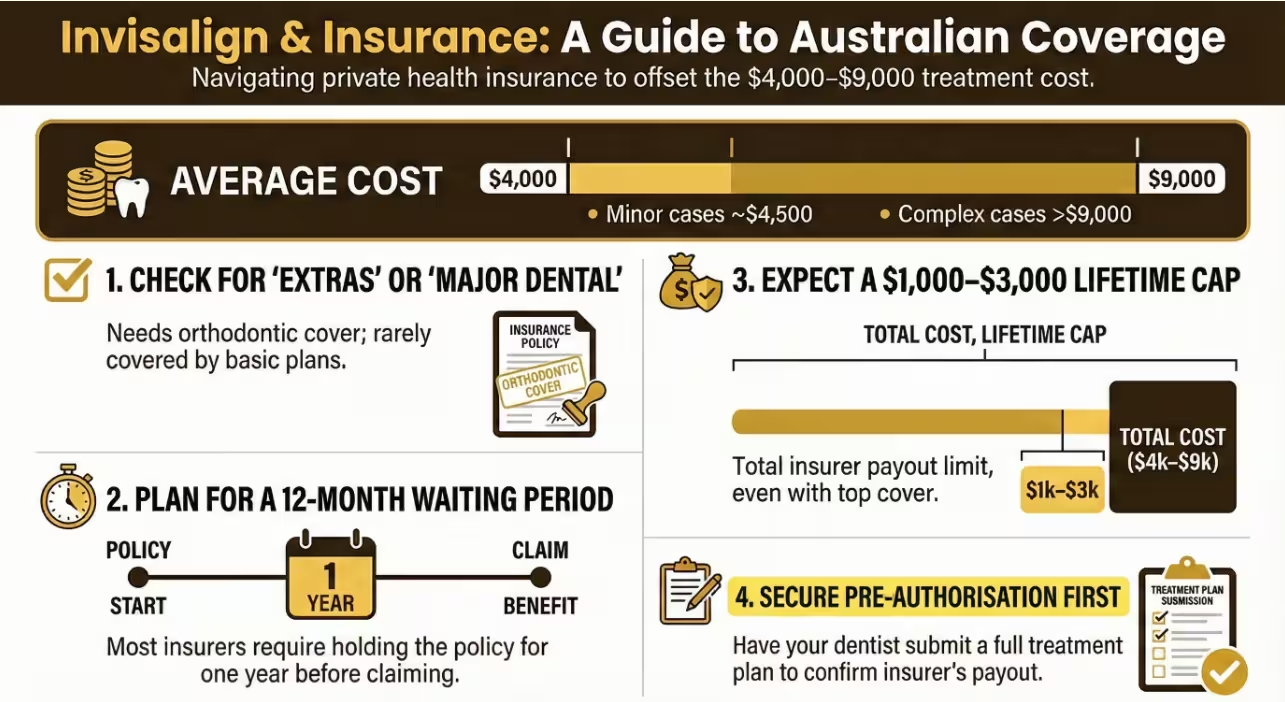
The answer to whether Invisalign is covered by private health insurance in Australia is yes, but with some nuances. Many private health insurance providers do cover Invisalign treatment, but the level of coverage can vary depending on your insurance plan and the type of cover you have.
Orthodontic Cover vs. Extras Cover
In Australia, Invisalign is typically covered under major dental or orthodontic extras cover. These covers fall under the Extras category, which typically provides coverage for treatments like teeth cleaning, fillings, and orthodontics. However, it’s important to note that not all health insurance policies include orthodontic cover, and Invisalign may not be included in some basic dental plans.
What You Need to Know About Insurance Coverage:
- Major Dental vs. Extras Cover: Invisalign is usually covered under extras cover, but this depends on the insurance policy. If you have extras cover with orthodontics as part of your policy, there is a good chance it will include Invisalign.
- Annual and Lifetime Limits: Even if your insurance covers Invisalign, you will likely have to deal with annual limits or lifetime caps. These limits usually range from $1,000 to $3,000, and the coverage might only cover a portion of the treatment.
- Waiting Periods: Most private health insurance policies have waiting periods for orthodontic treatments like Invisalign, which means you may need to wait 12 months before you can access benefits for the treatment.
What Factors Influence Invisalign Coverage?
When determining whether Invisalign will be covered by your health insurance, several factors come into play. Let’s break down the main elements that influence coverage.
1. Insurance Plan Type
Your level of coverage will depend on the type of health insurance plan you have. If you have extras cover, Invisalign is more likely to be covered under major dental or orthodontic treatment. On the other hand, basic plans may not provide coverage for orthodontics, which could leave you paying for the entire cost out of pocket.
2. Treatment Complexity
The complexity of your treatment can also influence how much insurance coverage you’ll receive. For example, simple cases that involve minor tooth movement may cost less and require fewer aligners. These treatments tend to fall at the lower end of the cost spectrum. However, more complicated cases, such as severe misalignment or bite issues, will require more aligners and may be more expensive, even with insurance coverage.
3. Health Fund Policies
Different health funds have varying policies when it comes to covering Invisalign. Some funds will only cover traditional braces or will cover Invisalign if it is deemed a medically necessary treatment (for example, if the treatment addresses functional bite issues or speech problems). Be sure to contact your insurer directly to clarify their specific policy for clear aligners.
Before you begin your treatment, many insurance providers require pre-authorisation, meaning your dentist or orthodontist must submit a detailed treatment plan and cost estimate to your insurance provider for approval. It’s essential to check with your health fund to ensure they will approve the treatment before you start.
How Much Does Invisalign Cost in Australia Without Insurance?
If you don’t have insurance coverage for Invisalign, you will need to pay the full treatment cost out of pocket. The cost of Invisalign in Australia typically ranges from $4,000 to $9,000, with complex cases costing more.
Cost Breakdown:
| Treatment Type | Cost Range |
| Minor Cases (Mild Misalignment) | $4,500 – $5,500 |
| Standard Treatment | $5,500 – $7,500 |
| Complex Cases (Severe Misalignment) | $7,500 – $9,000+ |
Factors such as location, clinic experience, and the length of treatment (which can vary based on your case) all influence the total cost. The more complex your treatment plan is, the more aligners you will need, and the higher the overall cost will be.
Payment Options for Invisalign:
If you don’t have insurance or if your insurance doesn’t cover the entire cost, many clinics offer payment plans or financing options that allow you to spread the cost over several months, making it more manageable. Some practices also offer interest-free payment plans or work with third-party financing providers like AfterPay or OpenPay to give patients more flexibility.
How to Maximise Your Invisalign Coverage with Health Insurance
While private health insurance can be a significant help in covering the cost of Invisalign, it’s essential to maximise your benefits by understanding the terms of your policy and ensuring you’re getting the most out of your coverage. Here’s how you can make sure you’re optimising your health insurance for Invisalign treatment.
1. Review Your Policy Thoroughly
Before you begin your Invisalign treatment, the first step is to review your policy to understand what is and isn’t covered. Most private health insurance plans that cover orthodontic treatments like Invisalign come with annual limits and may only cover a portion of the total treatment cost.
- Key Areas to Check:
- Orthodontic limits: What is the maximum amount the policy will cover for orthodontic treatments in a given year?
- Waiting periods: Most insurers impose 12-month waiting periods for orthodontic coverage, meaning you can’t claim for Invisalign treatment until the waiting period has passed.
- Coverage percentage: Some insurers cover a percentage of the treatment cost (typically 40-80%) based on their policy.
Tip: Speak to your insurance provider directly to clarify the specifics of your Invisalign coverage. Understanding your policy’s details before starting treatment will prevent any surprises down the line.
2. Pre-Authorisation for Invisalign
To ensure maximum coverage, it’s important to get pre-authorisation from your insurance provider. Pre-authorisation means that your dentist or orthodontist submits a detailed treatment plan to your insurance provider for approval before you begin the Invisalign treatment. This is a crucial step to ensure that you’re covered and that the insurer agrees with the proposed treatment costs.
- How Pre-Authorisation Works:
- Your orthodontist will send your treatment plan to your insurance provider, including the cost breakdown.
- The insurance company reviews the plan to determine how much they’ll cover and how much you’ll need to pay out of pocket.
- Once approved, you can proceed with treatment knowing that the coverage has been confirmed.
3. Be Aware of Your Lifetime Limit
Most health insurance plans have a lifetime limit for orthodontic treatments, which may range from $1,000 to $3,000. This lifetime limit means that your insurer will only pay a specific amount over the course of your treatment, and once you reach that limit, you’ll need to pay the rest of the cost yourself.
4. Contact Your Health Fund for Clarifications
If you’re unsure about your policy’s coverage or need help navigating the fine print, contact your health fund directly. Ask them about:
- Your remaining orthodontic benefits: How much is left in your annual or lifetime orthodontic limit?
- Specific Invisalign cover: Does your plan cover clear aligners, and if so, to what extent?
- Pre-authorisation requirements: What documentation or steps are needed for your insurance to approve treatment?
Having these details in place early on will help you better understand your financial responsibilities and avoid unexpected costs during the treatment. Our team can help you understand everything you need to know about Invisalign treatment process, from the initial 3D scan to the final retainer.
What to Do If Your Insurance Doesn’t Cover Invisalign
If your health insurance doesn’t cover Invisalign or if the coverage is limited, there are still options available to help make your treatment more affordable. Here’s what you can do:
1. Explore Payment Plans
Many dental clinics offer payment plans that allow you to pay for Invisalign treatment in manageable monthly installments. These plans can help break down the cost of treatment into smaller, more affordable payments. Some clinics even offer interest-free plans for a certain period, making it easier to pay off your treatment without extra costs.
2. Look Into Third-Party Financing
Several third-party financing options are available, such as AfterPay, ZipMoney, OpenPay, or LatitudePay, which allow you to split the cost of Invisalign into low-interest or zero-interest payments. These services are designed to provide you with flexibility and ease when paying for treatments over time, so you don’t have to pay the entire cost upfront.
3. Check for Superannuation Withdrawal
In certain cases, you may be able to access your superannuation under the compassionate release program if the treatment is deemed medically necessary. This can help cover part or all of the cost if you meet the eligibility requirements.
4. Consider Alternative Financing Options
If none of the above options work for you, consider exploring personal loans or healthcare loans, which some providers offer specifically for medical and dental treatments. Keep in mind that loans typically come with interest, so weigh your options carefully before committing.
Pre-Authorisation for Invisalign: What You Need to Know
Pre-authorisation is an essential step when using private health insurance for Invisalign treatment. This process ensures that your insurance provider agrees to cover a portion of the treatment costs before you begin your treatment plan. At St Leonards Green Dental, we provide detailed itemized quotes and treatment plans that you can submit to your insurer for “Pre-Authorisation” before you spend a cent.
Here’s how you can make the most of this step to ensure smooth approval and avoid surprises.
What Is Pre-Authorisation?
Pre-authorisation is the process in which your dentist or orthodontist submits a treatment plan to your health insurance provider to get approval before starting Invisalign treatment. This step is necessary because many health insurance plans have specific criteria they need to meet before providing coverage for orthodontic treatments like Invisalign.
- Why It’s Important: Pre-authorisation helps you avoid unexpected costs and ensures that you and your provider are on the same page regarding what’s covered under your insurance policy. It also provides you with clarity on any out-of-pocket expenses you may have to pay.
How Does the Pre-Authorisation Process Work?
- Consultation: Schedule a consultation with your orthodontist or dentist to discuss your treatment plan and get an accurate cost estimate.
- Treatment Plan Submission: Your dentist will submit your treatment plan, including the cost breakdown, to your health insurance provider for review.
- Insurance Review: The insurance provider reviews the treatment plan and determines whether the procedure meets their coverage requirements.
- Approval/Denial: Once your insurance provider has reviewed the plan, they will either approve it, providing details of the coverage amount, or deny it, citing specific reasons.
- Confirmation: Upon approval, you’ll receive confirmation of how much of the treatment is covered and what your out-of-pocket expenses will be.
Tip: Always start the pre-authorisation process early to ensure that you have time to address any issues and avoid delays in starting your treatment.
Frequently Asked Questions (FAQs)
1. What’s the typical cost of Invisalign treatment in Australia?
The cost of Invisalign in Australia ranges from $4,000 to $9,000, depending on the complexity of your treatment. More complex cases, such as severe misalignment, require more aligners, which increase the cost.
2. Does private health insurance cover Invisalign?
Yes, many private health insurance providers offer partial coverage for Invisalign treatment under extras cover or major dental plans. However, coverage may vary, so it’s essential to check with your provider to understand what is included in your policy.
3. How long does it take for Invisalign to start working?
Invisalign treatment typically lasts 12 to 18 months, but this can vary depending on the severity of your dental issues and how well you follow your treatment plan. You’ll need to wear the aligners for 20-22 hours a day for optimal results.
4. Does Medicare cover Invisalign?
No, Medicare does not cover Invisalign as it is considered a cosmetic procedure. However, in rare cases, if the treatment is deemed medically necessary, such as for patients with severe dental issues due to congenital defects or trauma, there may be exceptions.
5. Can I finance my Invisalign treatment if I don’t have insurance?
Yes, if your insurance doesn’t cover Invisalign or the coverage is insufficient, many dental practices offer payment plans that allow you to pay for your treatment over time. Interest-free financing options such as AfterPay, ZipMoney, and OpenPay are available, making it easier to manage the cost.
6. How do I know if my health insurance will cover Invisalign?
The best way to determine if your health insurance will cover Invisalign is by reviewing your policy and contacting your insurance provider to ask specifically about orthodontic coverage. Be sure to inquire about waiting periods, annual limits, and pre-authorisation requirements.
Conclusion: Making Invisalign Treatment Affordable and Accessible
Invisalign treatment can be a significant financial investment, but private health insurance can help reduce the burden, especially if you have extras cover or major dental benefits. However, it’s important to review your policy, understand the coverage limits, and ensure pre-authorisation is obtained before starting your treatment.
If you find that your insurance doesn’t cover the full cost, there are alternative payment plans and financing options available, such as AfterPay, ZipMoney, or personal loans, which can help make Invisalign treatment more accessible.
At St Leonards Dental, we’re committed to helping you get the smile you’ve always wanted. Our team is here to guide you through the Invisalign process, assist with insurance claims, and explore payment options to ensure you can enjoy a straight, confident smile without financial stress.
If you’re ready to take the next step, contact St Leonards Dental for a consultation and find out how Invisalign can work for you with the best possible coverage options.


