
Dental implant surgery is a significant procedure that requires careful aftercare to ensure a successful recovery. One of the most important aspects of the recovery process is what you eat. Eating the right foods can help your gums and jawbone heal, reduce discomfort, and prevent complications like infections. However, many people are unsure about which foods are safe to eat and which ones should be avoided post-surgery.
In this guide, we’ll explore 50 soft food ideas that are ideal for your recovery after dental implant surgery. These foods are not only easy to eat but also packed with the nutrients your body needs to heal. Whether you’re dealing with the early days of surgery or moving into the transition phase, this list will help you navigate your diet, ensuring a smooth and speedy recovery.
Why Your Diet Matters After Dental Implant Surgery
Dental implants are a long-term solution for missing teeth, but the success of the procedure depends on many factors, including the healing process. After the surgery, it is crucial to follow a soft food diet for a few weeks to avoid irritating the gums and ensure the implant integrates properly with the jawbone.
Eating soft foods helps in several ways:
- Reduces strain on the gums, jaw, and implant site: Eating soft foods prevents pressure on the implant area, which is essential in the first few days after surgery.
- Prevents irritation, infection, and dry socket: Certain foods can disrupt the healing process by causing irritation or dislodging blood clots. Soft foods reduce this risk.
- Supports blood clot formation and healing: Consuming gentle foods promotes healing and helps stabilise the surgical site while protecting the fragile gums and bone.
For optimal healing, a diet rich in nutrients, including vitamins, minerals, and protein, is essential to aid tissue recovery and bone regeneration.
Why Soft Foods Are Crucial After Dental Implant Surgery
During the initial stages of recovery, it is vital to avoid foods that require a lot of chewing or hard foods that could cause discomfort. Hard or crunchy foods can act like a lever, dislodging the implant or causing a tooth abscess if bacteria become trapped in the wound. Soft foods are ideal for several reasons:
- Protects fragile gums and bone: After implant surgery, your gums and jawbone are sensitive. Soft foods are gentle on the healing tissues, reducing the risk of irritation and damage.
- Preserves the blood clot: The blood clot that forms after surgery is essential for proper healing. Soft foods prevent dislodging this clot, which could lead to complications like dry socket.
- Provides vital nutrients: Soft foods ensure that you receive the nutrients necessary for healing, including protein (for tissue repair), vitamin C (for immune support), and calcium (for bone strength).
It’s important to maintain a nutrient-dense diet while sticking to foods that are easy to chew and swallow. This will support your body’s natural healing process and increase the success rate of your dental implants. Choosing lukewarm or cool foods can help, especially if you already struggle with tooth sensitivity in your remaining natural teeth.
The First Stage of Recovery: Smooth and Liquid Foods (Days 1-3)
During the first three days after surgery, you should stick to smooth, liquid-based foods that don’t require chewing. These foods are easy to swallow and provide essential hydration and nutrients without disturbing the healing implant site.
Examples of Smooth and Liquid Foods:
- Broth (chicken, beef, or vegetable) – Light and soothing, providing hydration and minerals.
- Smooth soups (pumpkin, cauliflower, or carrot) – Pureed soups are packed with vitamins and are easy to swallow.
- Mashed potatoes or sweet potatoes – Soft and creamy, these are perfect for early recovery.
- Oatmeal or porridge – Make it smooth and soft by cooking it with milk or water, adding a touch of honey or mashed bananas for flavor.
- Protein smoothies – Blend soft fruits like berries with milk or protein powder for a nutrient-packed drink.
- Applesauce – Smooth and easy to digest, providing some sweetness during recovery.
- Yogurt – Plain or flavored, it’s easy to swallow and rich in protein and probiotics, which support gut health.
- Pudding – A smooth dessert option that’s comforting and easy on the gums.
These soft, liquid-based foods provide the comfort and nutrients your body needs during the early stages of recovery. Make sure to drink plenty of water and non-acidic liquids to stay hydrated.
The Transition Stage: Soft and Creamy Foods
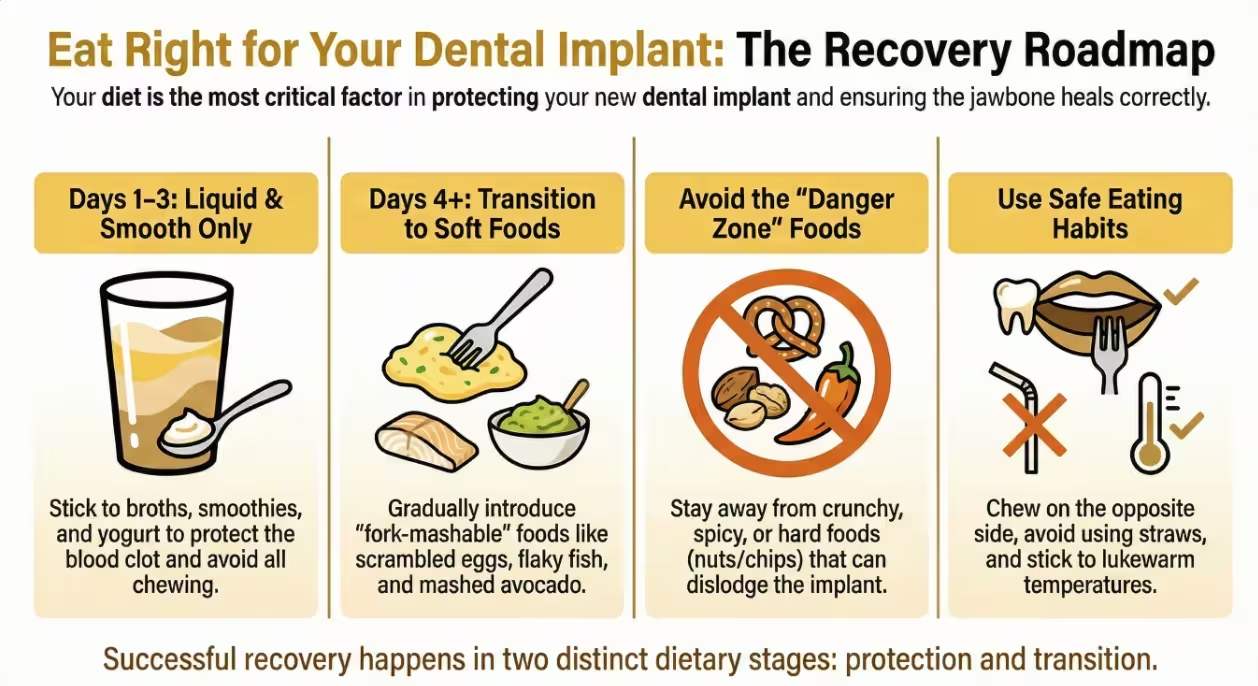
As your recovery progresses, you can begin to introduce soft, creamy foods that are still easy on your implant site but offer a bit more texture. These foods will help ease the transition back to regular eating while still providing the gentle support needed for continued healing.
Examples of Soft and Creamy Foods:
- Scrambled eggs – Soft, fluffy eggs provide protein without any chewing.
- Cottage cheese – Creamy and rich in protein, perfect for early recovery.
- Mashed avocado – Packed with healthy fats and vitamins, it’s easy to eat and promotes healing.
- Refried or baked beans – Soft and full of fiber, which is essential for overall health.
- Creamed corn – Easy to swallow and soft on the gums.
- Polenta – A smooth cornmeal dish that is both comforting and easy to eat.
- Risotto – Soft and creamy, risotto can be a great meal for lunch or dinner.
- Rice pudding – A soft, comforting dessert option that is easy to eat and full of nutrients.
Protein-Rich Soft Foods to Support Healing
Protein plays a crucial role in the healing process, especially after dental implant surgery. It helps repair tissues, strengthen bones, and support immune function. After surgery, it’s important to include protein in your diet to help speed up the healing of the gums and bone around the implant site.
Examples of Protein-Rich Soft Foods:
- Scrambled eggs – Soft and easy to chew, scrambled eggs provide a good amount of protein without being tough on the gums.
- Shredded chicken – When cooked tender, shredded chicken is easy to eat and provides essential protein for recovery.
- Soft fish (e.g., salmon) – Fish is high in omega-3 fatty acids and protein. Ensure the fish is tender and soft for easy chewing.
- Silken tofu – Smooth and creamy, tofu is a great source of plant-based protein for vegetarians and vegans.
- Tender lentils – Cooked well, lentils are soft and full of protein, perfect for post-surgery recovery.
- Steamed eggs or omelettes – Soft, fluffy eggs provide protein and essential nutrients to aid in healing.
- Minced soft turkey or beef – Minced meats are tender and easy to chew when cooked properly, providing a solid source of protein.
- Smooth nut butters – Peanut butter, almond butter, or cashew butter can be spread on soft bread or used in smoothies for extra protein.
Protein-rich foods are essential for ensuring that your body has the tools it needs to regenerate tissue and heal effectively after implant surgery. These foods are soft enough not to disturb the surgical site but still pack a nutrient-dense punch.
Fruits and Vegetables That Are Easy to Eat
Fruits and vegetables provide vital vitamins, minerals, and fiber to support your immune system and healing process. After dental implant surgery, it’s important to eat soft, easily digestible vegetables and fruits that require minimal chewing while still offering plenty of nutrients. They also help keep your diet balanced.
Examples of Soft Fruits and Vegetables:
- Mashed bananas – Bananas are soft, easy to mash, and provide essential vitamins and minerals, including potassium, which supports muscle and nerve function.
- Applesauce – Smooth applesauce is a good source of fiber and antioxidants, and it’s easy to swallow.
- Pureed mango – Mangoes are rich in vitamin C, which is essential for tissue repair and immune health.
- Steamed carrots – Carrots are full of beta-carotene and can be steamed and mashed for easy consumption.
- Mashed sweet potatoes – Rich in vitamin A, sweet potatoes help in immune system function and can be easily mashed for easy chewing.
- Cooked spinach – Spinach is a great source of iron and folate, which are important for healing and energy.
- Avocado – Soft and full of healthy fats, avocado is easy to mash or slice, offering a nutrient boost without causing strain on the implant site.
- Cauliflower mash – Like mashed potatoes, cauliflower can be mashed and is rich in fiber and vitamin C to help with healing.
Fruits and vegetables that are pureed, mashed, or softly steamed are not only easy to eat but also provide the essential nutrients your body needs during recovery. They support your immune system and promote optimal healing.
Cool and Refreshing Options for Comfort
During recovery, the coolness of certain foods can help reduce swelling, ease pain, and provide comfort. Cold foods are not only soothing but also encourage hydration, which is crucial for the healing process.
Examples of Cool and Refreshing Foods:
- Jelly – Soft, easy to eat, and cold, jelly is a comforting treat that won’t irritate your gums.
- Custard – A smooth and creamy dessert that can be served cold, making it both comforting and easy to swallow.
- Smooth ice cream (without nuts) – Ice cream is soothing and provides calcium, which is vital for bone health during recovery.
- Frozen yogurt – A cold, creamy option that is easier on the gums than traditional ice cream.
- Chilled smoothies – Blend up some fruit, yogurt, and milk for a cold, hydrating drink that provides essential nutrients.
- Milkshakes – A comforting and nutrient-dense option that’s easy to sip and helps you stay hydrated.
- Blended oats with yogurt or honey – A chilled, nutrient-packed meal that offers fiber and protein while being gentle on your gums.
Cool foods not only provide comfort and relief but also help keep you hydrated, which is important for healing. These options are easy on your mouth and provide a refreshing break during your recovery process.
Foods and Drinks to Avoid During Recovery
While it’s important to eat nourishing foods, there are several types of foods and drinks that you should avoid during the healing process to prevent irritation, infection, and further complications. These foods can interfere with the healing process, increase discomfort, or even lead to complications like dry socket or implant rejection.
Foods to Avoid:
- Crunchy foods (chips, crackers, raw vegetables) – These foods can put unnecessary pressure on your gums and implants, causing discomfort.
- Spicy or acidic foods (tomato sauce, citrus fruits, vinegar) – These can irritate the surgical site and cause pain or swelling.
- Chewy foods (bagels, hard bread) – These require too much chewing and can put strain on your implant.
- Hard foods (nuts, seeds, popcorn) – These can dislodge the implant, irritating the gums and prolonging healing.
- Hot foods and drinks – These can disrupt the healing blood clot and lead to swelling or pain.
Tips for Eating Safely After Dental Implant Surgery
While you’re focusing on eating the right foods, it’s equally important to follow certain eating habits to ensure your recovery is as smooth as possible.
Helpful Tips:
- Eat slowly and carefully: Take your time with each bite to avoid placing unnecessary pressure on the surgical site.
- Chew on the opposite side: If you had surgery on one side, chew food on the opposite side to minimise stress on the implant site.
- Avoid using straws: Sucking can create suction that dislodges the blood clot and delays healing.
- Stick to room temperature or lukewarm foods: Hot foods and beverages can disturb the healing area.
- Hydrate regularly: Drink plenty of water, and opt for non-acidic beverages like herbal teas or milkshakes.
- Rinse with saltwater: After meals, rinse your mouth with warm saltwater to reduce the risk of infection and keep the area clean.
Pro Tip: Be particularly careful with dairy if your surgeon has advised against it. Many dentist is often recommend no dairy after dental implant surgery to reduce the risk of inflammatory responses or nausea during medication.
Creating Balanced Meals from Soft Foods
While it’s essential to eat soft foods, it’s equally important to balance your meals to ensure you’re getting all the necessary nutrients. Here’s how to make your meals both nutritious and gentle on your gums:
Balanced Meal Ideas:
- Breakfast: A smoothie with protein powder, mashed banana, and yogurt.
- Lunch: Soft scrambled eggs with mashed avocado and a side of mashed sweet potatoes.
- Dinner: Creamed spinach with mashed potatoes and silken tofu for a protein boost.
- Snacks: Yogurt with honey and mashed peaches or a small custard for dessert.
When to Reintroduce Regular Foods After Implant Surgery
As you begin to heal, there comes a point when you can gradually start reintroducing harder foods into your diet. However, it’s important to proceed with caution to avoid putting unnecessary strain on the implant and the surrounding tissues. Transitioning too quickly can disrupt the healing process, so following your dentist’s advice and listening to your body is crucial.
When to Start Adding Regular Foods:
- Week 1-2: During the first two weeks after surgery, focus exclusively on soft and liquid-based foods. At this stage, your gums are still healing, and the implant is not fully integrated with the bone.
- Week 3-4: If your healing progresses without complications, you can begin to add in slightly firmer soft foods like tender meats (shredded chicken, fish) and well-cooked vegetables (steamed carrots, zucchini). Always avoid hard, chewy, or crunchy foods.
- Week 5 and beyond: After about 4-6 weeks, if your dentist gives the green light, you can begin to incorporate more solid foods, but be mindful of your chewing technique and continue to chew on the opposite side of your implant.
Tip: Always consult with your dentist before making any major changes to your diet, especially if you’re unsure whether your implant is stable enough to handle more solid foods.
Healing Starts with What You Eat: Bringing It All Together
A successful recovery after dental implant surgery is highly dependent on your diet. The right foods will not only provide comfort but also support bone integration, gum healing, and overall health. By sticking to soft foods during the initial stages and gradually transitioning to more solid meals, you’ll be able to manage your recovery effectively and ensure your implant is positioned for long-term success.
Here’s a recap of the key points to keep in mind:
- Stick to soft foods: During the first few days, opt for liquid-based and soft, creamy foods.
- Gradually introduce firmer foods: Once you feel comfortable and your healing allows, you can start to reintroduce slightly firmer foods.
- Protein, vitamins, and hydration are crucial: Make sure your meals are nutrient-dense, with plenty of protein for healing, vitamins for tissue repair, and minerals to support bone health.
- Avoid hard, crunchy, or spicy foods: These can cause unnecessary strain on the implant and may lead to complications.
St Leonards Dental use advanced 3D imaging to place your dental implants with precision, reducing surgical trauma and speeding up your dietary transition.
Conclusion: Smooth Recovery Starts with the Right Diet
Recovery after dental implant surgery is a journey that requires proper care, patience, and the right foods. By following a soft food diet, maintaining proper oral hygiene, and following your dentist’s guidelines, you’ll give your implants the best chance of success.
At St Leonards Dental, we offer expert dental implant services to ensure that your recovery goes smoothly. If you’re unsure about what foods to eat after surgery or need advice on healing, our experienced team is ready to assist you. Don’t wait, schedule a consultation with us to ensure your recovery is on track and that your dental implants are well cared for.


