
Tooth fillings are a common dental procedure used to restore teeth damaged by decay, and while they often provide lasting comfort, it’s not uncommon for some patients to experience pain even months after their treatment. If you’ve been wondering, “Why does my tooth filling hurt after months?” you’re not alone. There are several reasons why this might happen, ranging from minor issues to more serious dental problems. In this post, we’ll uncover the causes behind lingering tooth pain, as well as offer solutions to manage and prevent it.
Understanding Tooth Sensitivity After a Filling
After you get a filling, it’s not unusual to experience some tooth sensitivity, especially to hot or cold foods. However, most of the time, this sensitivity is temporary and should subside within a few days to weeks. When pain persists long after the filling has been placed, it signals that something isn’t quite right. Understanding how tooth fillings work and why they may cause pain after a period of time is crucial for addressing the issue effectively.
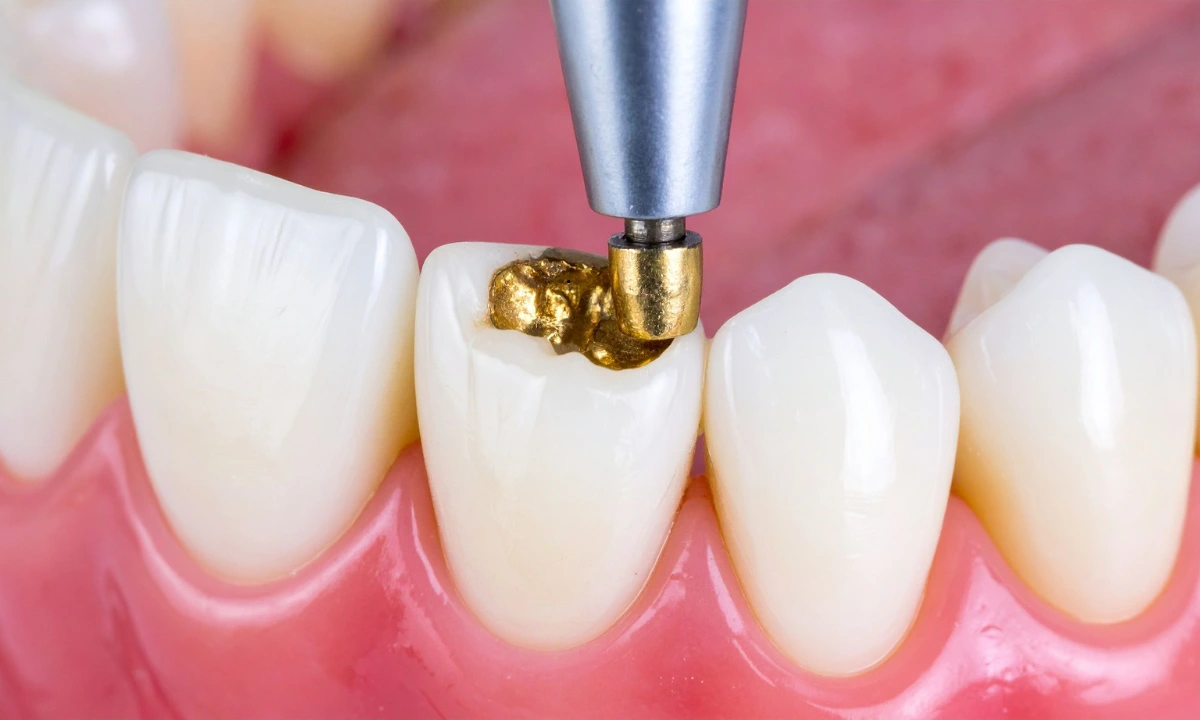
A dental filling essentially seals a cavity to prevent further decay and protect the tooth. It is made of different materials such as amalgam, composite resin, or gold, each with varying degrees of durability and sensitivity. The filling restores the tooth’s normal function, but different types of dental fillings can sometimes cause varying levels of initial discomfort if the fit isn’t perfect.
Why Does Your Tooth Filling Hurt After Months?
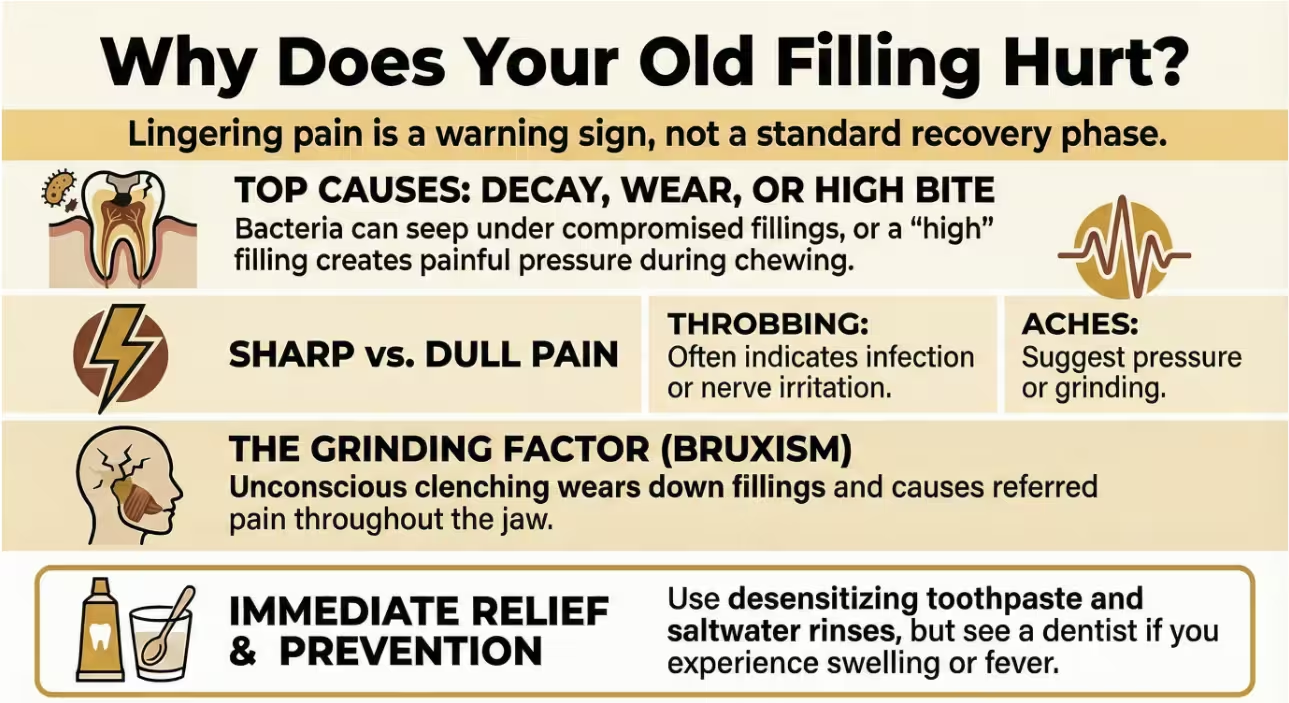
If your filling was placed months ago and you’re still experiencing pain, there are several potential reasons for the discomfort. The pain could stem from minor problems that are easy to resolve, or it could be a sign of a more serious dental issue that needs professional treatment.
1. Infection or Decay Under the Filling
One of the most common reasons for pain after a filling is the development of an infection or new decay beneath the filling. Even though the filling seals the cavity, bacteria can still seep in over time, especially if the filling has become compromised or if it wasn’t placed properly. This could lead to an infection, causing pain and swelling around the tooth.
2. Filling Wear and Tear
Over time, fillings can wear down due to constant chewing, grinding, or exposure to different temperatures. If your filling has deteriorated or cracked, the tooth may become more susceptible to sensitivity, leading to ongoing discomfort.
3. Changes in Temperature Sensitivity
It’s common for teeth to react to temperature changes after fillings are placed, especially if the filling is large or located near the surface of the tooth. However, if you’re still experiencing sensitivity to hot or cold temperatures months after the procedure, it could indicate that the filling is too high or that the tooth’s nerve is still inflamed.
4. Fillings That Are Too High
If the filling was placed too high, it could prevent your teeth from coming together properly when you bite down. This misalignment can cause pain, as it places additional pressure on the filled tooth. Over time, this pressure can lead to further discomfort and sensitivity.
If you are concerned about dental pain and are worrying, ‘Do dental fillings hurt?’ you should not allow your fear to interfere with getting treatment.
Less Common Causes of Pain After a Filling
While the causes listed above are common, there are other less obvious reasons why your filling might hurt months later. In some cases, the pressure from impacted wisdom teeth can cause referred pain that feels like it is coming from a nearby filling. These issues require professional attention to diagnose and treat properly.
1. Tooth Sensitivity from Other Conditions
Sometimes, underlying conditions like cracked teeth or temporomandibular joint (TMJ) disorders can cause pain that mimics tooth sensitivity. Cracked teeth, in particular, can cause a sharp, persistent pain when you bite or chew. Similarly, TMJ issues can lead to referred pain in your teeth, making it feel like the filling is the problem.
2. Delayed Healing or Reaction to Filling Materials
Different filling materials can cause varying reactions in the tooth, especially if the tooth was already severely compromised. For example, amalgam (silver fillings) might cause some people more discomfort than composite fillings. In rare cases, people might experience a delayed sensitivity to the material itself, which can cause lingering discomfort.
Types of Pain You Might Experience with a Filling
Understanding the type of pain you’re experiencing can help identify the cause. Tooth pain can vary in intensity and type, and recognizing whether it’s sharp, throbbing, dull, or constant can give clues about the root cause.
Sharp or Throbbing Pain
Sharp Pain
Sharp, sudden pain when you bite down or eat can indicate a few things: the filling might be cracked, or the tooth could have an infection. Sharp pain could also suggest that the tooth’s nerve is being irritated. If you experience sharp pain, it’s important to seek dental care as soon as possible to avoid further damage.
Throbbing Pain
Throbbing pain that comes and goes might signal that the tooth has an underlying issue, such as a deep cavity or nerve inflammation. This type of pain often feels like a pulse and can be exacerbated by changes in temperature or pressure. Throbbing pain is commonly associated with the need for a root canal if the nerve is infected.
Dull or Aching Pain
Dull Pain
Dull, constant pain is usually less intense but more persistent. This can happen if the filling is too high, causing constant pressure on the tooth. The dull ache may also be a sign of tooth wear or decay under the filling that is slowly worsening.
Aching Pain
Aching pain that persists, particularly when the tooth is not under pressure, can indicate that the nerve is still sensitive after the filling or that the tooth is not healing as expected. In some cases, it can also be due to a gum issue, such as gingivitis, that affects the area around the filling.
Managing Tooth Pain and Sensitivity After a Filling
Once you’ve identified the source of your discomfort, managing tooth pain effectively becomes the next step. Here are some ways you can handle the pain at home until you can see your dentist:
- Immediate Pain Relief Tips
- Desensitising Toothpaste: Toothpaste designed for sensitive teeth can help reduce discomfort by blocking the tubules in the teeth that lead to the nerve.
- Warm Saltwater Rinse: A saltwater rinse can help soothe inflammation and reduce pain temporarily. Swish the solution in your mouth for 30 seconds to a minute.
- Over-the-Counter Pain Relief: Medications like ibuprofen can help reduce both pain and inflammation. Always follow the instructions on the label for dosage.
- What Over-the-Counter Pain Relievers Can Help?
Common OTC pain relievers include ibuprofen (Advil), acetaminophen (Tylenol), or aspirin. These medications work by reducing inflammation or blocking pain signals, providing temporary relief. - Diet and Eating Tips to Minimise Pain
When you have a sensitive tooth, it’s important to avoid foods that might trigger or exacerbate the pain. Hot and cold foods should be consumed sparingly, and it’s best to avoid sticky or hard foods that can put pressure on the tooth. Try to chew on the opposite side of your mouth to prevent further irritation.
When Should You Seek Immediate Treatment for Filling Pain?
If the pain you’re experiencing is persistent or worsening, it’s time to consult with your dentist. Here are some warning signs that indicate you should seek immediate dental treatment:
- Signs of an Infection or Serious Issue: If you notice swelling, pus, or experience fever along with the pain, this may indicate an infection under the filling that requires prompt attention.
- Pain that Doesn’t Subside: If the pain doesn’t go away with over-the-counter medications or home remedies, it could be a sign of an underlying issue like nerve damage or infection.
- Severe Pain: If you experience intense, unbearable pain, it’s important to seek treatment immediately. This may indicate a serious problem, such as nerve exposure or an abscess.
Could Tooth Grinding Be Adding to the Pain?
Tooth grinding, or bruxism, is a common habit where individuals unknowingly grind or clench their teeth, often while sleeping. While this can lead to significant dental problems, it can also contribute to persistent pain or discomfort in a tooth that has been filled. If you are experiencing tooth pain months after a filling, it’s essential to consider whether bruxism could be the cause.
How Bruxism Affects Dental Fillings
When you grind your teeth, the constant pressure can wear down fillings, causing them to crack, shift, or lose their tight seal. This can result in pain, as the filling no longer provides adequate protection to the underlying tooth. Additionally, tooth grinding can cause teeth to become misaligned, putting extra pressure on filled teeth, leading to more sensitivity and discomfort.
Solutions for Reducing Grinding Pain
If bruxism is the culprit, your dentist may recommend a custom nightguard or specific teeth grinding treatment to protect your dental work from further damage. A nightguard is a custom-made dental appliance that fits over your teeth and protects them from grinding while you sleep. Nightguards help to absorb the pressure and prevent further damage to your fillings. Additionally, managing stress through relaxation techniques or lifestyle changes can reduce the frequency of grinding episodes.
Why St Leonards Dental?
At St Leonards Dental, we understand the impact that dental issues like filling pain can have on your quality of life. Our experienced and caring team takes the time to understand your concerns and work with you to find effective solutions. We are dedicated to using the latest technology and techniques to ensure that your dental treatments are comfortable, effective, and long-lasting.
When Is a Root Canal Necessary for Tooth Pain After a Filling?
A root canal is a dental procedure used to treat infections or severe damage to the tooth’s pulp (the innermost part of the tooth, containing nerves and blood vessels). If you are experiencing persistent pain, especially after months of having a filling, you might be wondering if a root canal is necessary.
Signs You Might Need a Root Canal
Root canals are typically recommended when the pain is due to an infection in the tooth’s nerve. Here are some signs that a root canal treatment might be necessary:
- Severe, sharp pain that doesn’t go away: This is often a sign of nerve damage or infection.
- Throbbing or pulsating pain: This pain can indicate an infection deep within the tooth.
- Sensitivity to pressure or chewing: When chewing or biting down causes sharp pain, it may mean the nerve is infected or damaged.
- Swelling around the tooth: Swelling or tenderness near the affected tooth can indicate that the infection has spread.
- Discoloration of the tooth: A darkening tooth can indicate damage to the nerve, often requiring a root canal.
How a Root Canal Helps
During a root canal, the dentist removes the infected or damaged pulp from inside the tooth, cleans the area, and then seals the tooth to prevent further infection. This procedure can save the tooth and eliminate the pain caused by the infection.
How to Prevent Tooth Pain After a Filling
To minimise the risk of tooth pain after a filling, it’s essential to adopt good dental habits and avoid behaviors that can compromise the integrity of your fillings.
Best Practices for Maintaining a Healthy Filling
- Maintain Proper Oral Hygiene
Brush your teeth at least twice a day and floss daily to prevent plaque build-up and new cavities around your filling. It’s essential to ensure that the area around the filling remains clean to avoid bacterial growth. - Visit Your Dentist Regularly
Regular check-ups allow your dentist to monitor the condition of your fillings and address any potential issues before they become serious. They can spot early signs of wear or decay and replace fillings if necessary. - Avoid Chewing on Hard Objects
Avoid chewing on ice, hard candy, or other objects that can damage your fillings. Excessive pressure can cause fillings to crack or dislodge, leading to pain and sensitivity.
How to Prevent Future Tooth Sensitivity
To reduce tooth sensitivity after fillings:
- Use Desensitising Products: Use toothpaste designed for sensitive teeth to help block pain-causing nerve impulses.
- Avoid Acidic Foods: Foods like citrus fruits and soda can wear down fillings and increase sensitivity. Limit your intake of these foods to prevent discomfort.
FAQs About Tooth Pain After a Filling
Is it normal for a tooth to hurt after a filling for months?
While some sensitivity is normal in the days following a filling, ongoing pain after several months is not typical and should be evaluated by your dentist. It may indicate an underlying issue such as an infection or a poorly placed filling.
How do I know if my tooth needs a root canal after a filling?
If your pain is severe, persistent, or accompanied by swelling or sensitivity to pressure, it could indicate the need for a root canal. A dentist will evaluate the tooth and perform necessary tests to determine if the pulp is infected.
Can tooth grinding cause pain in a filling?
Yes, grinding your teeth can put pressure on fillings, causing them to crack or become loose. It can also lead to misalignment and extra stress on the filled tooth, resulting in pain.
What should I do if my tooth filling starts to hurt?
If you experience persistent pain, it’s important to consult with your dentist as soon as possible. They can determine the cause and suggest the appropriate treatment, such as replacing the filling, addressing any infection, or recommending a root canal if needed.
How can I reduce tooth sensitivity after a filling?
Using desensitising toothpaste, avoiding temperature extremes, and practicing good oral hygiene can help reduce sensitivity. Your dentist may also recommend fluoride treatments or other solutions to prevent and manage sensitivity.
Conclusion: Taking Action for Tooth Filling Pain Relief
Tooth pain after a filling can be frustrating and concerning, especially when it lingers for months. Whether it’s due to an issue with the filling itself, an underlying dental problem, or habits like tooth grinding, it’s essential to take the right steps to manage and alleviate the discomfort. Early intervention and good dental hygiene can go a long way in preventing pain from escalating into a more serious problem.
If you’re still experiencing pain or sensitivity after a filling, don’t wait for it to worsen. It’s best to consult with your dentist to ensure that the issue is addressed promptly. At St Leonards Dental, we are committed to providing our patients in St Leonards and surrounding areas with comprehensive dental care, from simple fillings to more complex procedures like root canals. Our team is ready to help you get back to comfort and ensure your oral health is maintained for the long term.
If you are dealing with pain after a filling or have other dental concerns, St Leonards Dental is here to help. Our experienced team of professionals offers a wide range of services to address all your dental needs. Whether you’re seeking an evaluation for tooth pain, need a filling replacement, or want to explore more advanced treatments, we have you covered.
If you have just discovered a cavity or have an old filling that feels a bit rough, you might be Read more

Most people believe that brushing twice a day is enough to maintain healthy teeth and gums. Yet many still experience Read more