

Dental implants are an effective and popular way to replace missing teeth, helping millions regain their smiles and confidence. However, what happens if things go wrong? Dental implant failure, though rare, can be distressing and costly. Knowing who is responsible and what your rights are can guide you through the next steps if you encounter such a problem.
We’ll tell you the causes of dental implant failure, the roles of patients, dentists, and manufacturers in the process, and the legal steps you can take if your implant fails. Understanding this can help you make informed decisions and avoid unnecessary financial and emotional stress.
What Is Dental Implant Failure?
Dental implant failure occurs when the implant does not integrate successfully with the jawbone or cannot function as a stable foundation for a crown or other prosthetic device. There are two primary stages at which failure can occur: early failure (before the implant is fully integrated into the bone) and late failure (after the implant is integrated but later experiences complications).
Types of Implant Failure
- Early Failure (Pre-Loading): This typically happens in the first few weeks or months following the implant surgery. It’s often caused by issues with the osseointegration process, where the implant fails to bond with the bone. Other causes include infection, trauma during surgery, or contamination of the implant.
- Late Failure (Post-Loading): This occurs months or years after the implant is placed. Late failure can be the result of mechanical complications, such as implant loosening, or peri-implantitis, an infection that affects the gum and bone around the implant. Poor maintenance, trauma, or even excessive pressure on the implant can also lead to late failure.
Symptoms of Implant Failure
Knowing the symptoms of dental implant failure can help you detect the issue early. Common signs include:
- Pain when chewing or biting
- Swollen or inflamed gums that persist for longer than a few days
- A loose or mobile implant that feels less stable than your natural teeth
- Difficulty chewing or discomfort during regular activities
If you experience any of these signs, it’s crucial to contact your dentist immediately. Patients often ask, how long do dental implants last; while dental implants typically last 10-20 years or longer, depending on factors like the quality of the implant, oral care, and health conditions.
Causes of Dental Implant Failure
Several factors can contribute to the failure of dental implants. These can be categorised into patient-related factors, surgical/prosthetic factors, and implant-specific factors.
Patient-Related Risk Factors
Some individuals are more prone to dental implant failure due to their health conditions or lifestyle choices. The most common factors include:
- Diabetes: People with diabetes often experience slower healing, which can affect the osseointegration process and increase the risk of implant failure.
- Osteoporosis: Low bone density can prevent the implant from properly integrating with the jawbone.
- Smoking: Smoking reduces blood flow to the gums, which can hinder healing and increase the risk of infection.
- Poor Oral Hygiene: Failure to follow proper care instructions, including brushing and flossing around the implant, can lead to infections and implant failure.
- Periodontal Disease: A history of gum disease makes it harder for implants to integrate, increasing the risk of failure.
- Medications: Certain medications, such as corticosteroids, can affect bone density and healing, making implant failure more likely.
Surgical and Prosthetic Factors
Even when a patient has no underlying health issues, problems can still arise due to mistakes made during surgery or issues with the prosthetics themselves.
- Excessive Drilling Heat/Trauma: The drilling process used to place the implant can generate heat, which can damage the bone and prevent the implant from bonding properly.
- Improper Site Preparation: If the dentist doesn’t properly prepare the implant site or position the implant incorrectly, it can lead to implant failure. Poor 3D positioning can also affect the implant’s integration with the bone.
- Occlusal Overload: If the implant is subjected to excessive forces due to a misaligned bite or overuse, it can fail. Proper bite alignment is crucial to ensure long-term success.
- Poor Prosthetic Design: Ill-fitting crowns or restorations can place unnecessary stress on the implant, leading to complications and failure.
Implant-Specific Factors
Not all implants are created equal. There are a few factors related to the implant itself that can cause failure:
- Implant Surface Texture: A moderately rough surface on the implant allows for better bonding with the bone. A smooth surface, on the other hand, can prevent osseointegration and increase the risk of failure.
- Platform Switching: This technique helps reduce bone loss around the implant by altering the way the prosthetic is attached to the implant. Implants without platform switching may face increased bone loss over time.
- Defective Implants: In rare cases, defective implants, such as those made from poor-quality materials or counterfeit products, may fail sooner than properly manufactured ones.
Who Is Responsible for Implant Failure?
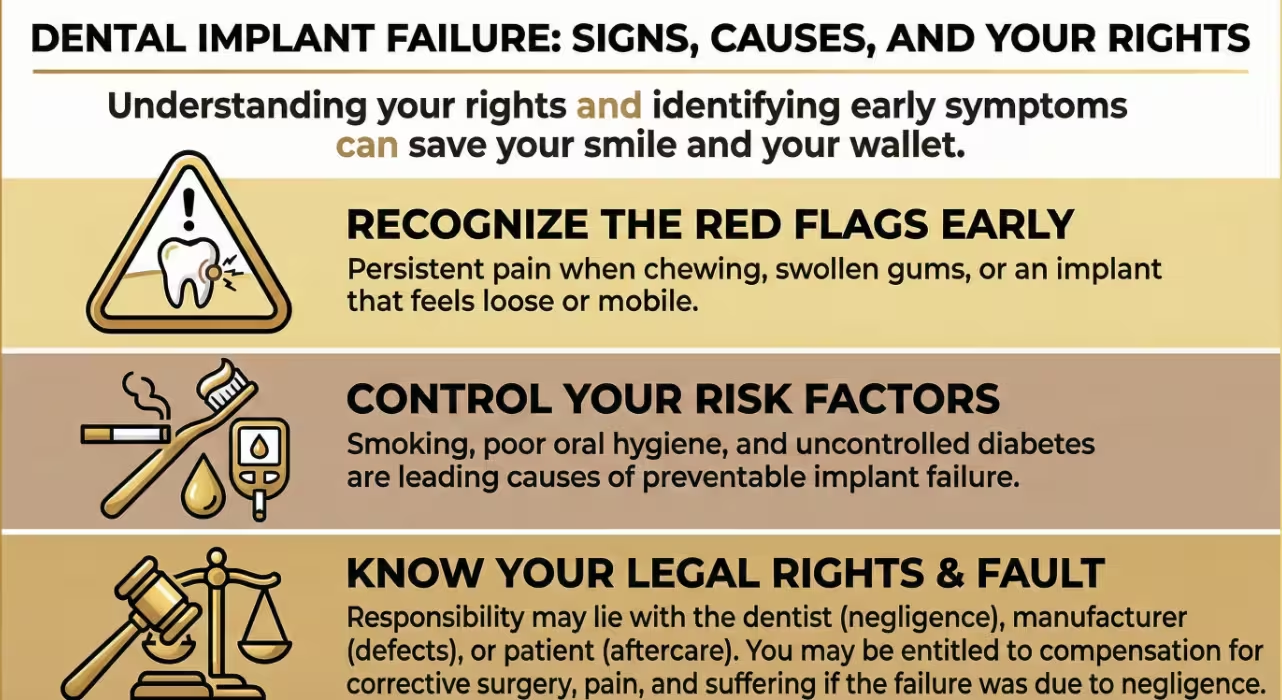
The next question is: Who is responsible when it happens? The responsibility can lie with different parties depending on the circumstances. Let’s break down the roles of the dentist, implant manufacturer, and patient in the process.
The Dentist’s Responsibility
The dentist or oral surgeon who performs the implant procedure is responsible for ensuring the procedure is done properly. This includes proper diagnosis, planning, and execution of the surgery. Dentists must carefully evaluate the patient’s oral health, bone density, and medical history before recommending implants.
If the dentist makes an error in placement, fails to properly assess the patient’s suitability for implants, or does not follow best practices during surgery, they may be held responsible for the failure. Some examples of dentist-related negligence include:
- Incorrect Placement: If the implant is positioned improperly, it may not integrate well with the bone.
- Inadequate Assessment: Failing to evaluate bone density or existing periodontal disease could result in implant failure.
- Failure to Follow-Up: Dentists must provide proper post-op care and monitoring. Neglecting this could lead to infection or implant failure.
The Implant Manufacturer’s Responsibility
In rare cases, the manufacturer of the implant may be held liable for failure if the implant itself is defective. This could include:
- Counterfeit Implants: In the unfortunate event that the implant is counterfeit or made from inferior materials, it may fail prematurely.
- Manufacturing Defects: If the implant is poorly designed or manufactured, it could result in failure even with proper care and placement.
The Patient’s Responsibility
While patients are not always at fault, certain actions or inactions can contribute to implant failure. These include:
- Smoking: Smoking significantly reduces blood flow to the gums, impeding healing and increasing the risk of infection.
- Poor Oral Hygiene: If the patient does not follow the aftercare instructions provided by the dentist, such as maintaining good oral hygiene, they could increase the likelihood of implant failure.
- Neglecting Regular Check-Ups: Failure to attend follow-up appointments or get regular check-ups can result in undetected issues, like infections or bone loss, leading to implant failure.
At St Leonards Dental, we specialise in providing top-tier dental implants with careful planning and precision. If you’re considering dental implants or experiencing issues with an existing implant, our team of experienced professionals can guide you through the process from start to finish.
Legal Rights and Actions After Implant Failure
Experiencing dental implant failure can be frustrating, especially if it leads to pain, additional treatments, or unnecessary costs. If the failure is caused by negligence or a faulty implant, it’s important to know your rights and the actions you can take to resolve the issue. As a patient, you have legal rights when it comes to the failure of dental implants. If the implant failure is caused by issues such as negligence on the part of the dentist, poorly manufactured implants, or insufficient post-surgery care, you may be entitled to seek compensation for the additional costs and suffering caused.
Patient Rights include:
- Right to Compensation: If the failure was due to the dentist’s negligence or a defective implant, you could be entitled to compensation for corrective treatments, pain, and suffering.
- Right to Quality Care: As a patient, you have the right to receive quality care and clear communication regarding your treatment options and risks.
- Right to Legal Recourse: If your implant failure was due to negligence or substandard care, you can pursue legal action to seek compensation.
Your Rights and Responsibilities
Responsibility is a two-way street. While the dentist must provide a high standard of care, the patient must follow strict aftercare protocols. For example, your dentist may provide specific dietary restrictions, such as why no dairy after dental implant surgery, to prevent bacterial complications during the initial healing phase.
When Can You Sue for Dental Implant Failure?
If you believe that the failure of your dental implant is due to substandard care or negligence, you may be entitled to pursue a claim. It’s important to know what constitutes negligence in these cases.
Examples of Dental Negligence:
- Improper Placement: If the dentist placed the implant incorrectly, it could result in misalignment, bone damage, or failed osseointegration.
- Failure to Assess Bone Quality: If the dentist did not properly assess the bone density or other health factors before placing the implant, it could lead to failure.
- Post-Surgery Negligence: Failing to follow up with the patient, neglecting to address issues like infection, or ignoring signs of implant loosening can contribute to failure.
Steps to Take:
- Consult a Legal Professional: If you believe negligence is involved, consult a dental negligence lawyer who specialises in medical malpractice or dental malpractice.
- Gather Evidence: Collect medical records, photos of the implant, and notes of any symptoms or complications to support your claim.
- Seek a Second Opinion: A second opinion from another dentist can help determine whether the implant failure was due to the dentist’s error.
Compensation Factors
If your dental implant fails due to negligence or a faulty implant, compensation may cover:
- Corrective Treatment Costs: The cost of removing the failed implant and replacing it with a new one, including any associated procedures like bone grafting.
- Pain and Suffering: Compensation for physical pain, discomfort, or emotional distress caused by the failed implant.
- Permanent Damage: If the failure caused permanent damage to your bone, gums, or surrounding teeth, compensation may cover the costs of ongoing treatments.
How to File a Claim for Implant Failure
If you are pursuing compensation, the first step is to contact a legal professional who specialises in dental malpractice. They can guide you through the process of filing a claim, gathering evidence, and negotiating with the responsible parties.
In some cases, your dental insurance may help cover the cost of the failed implant if it’s deemed a result of poor workmanship or defective materials. However, legal recourse is often necessary to receive full compensation for issues like pain and suffering.
Preventing Dental Implant Failure
Preventing dental implant failure starts with choosing the right dentist, following proper care instructions, and maintaining good oral health before and after the surgery. By addressing risk factors early, you can greatly reduce the likelihood of complications.
Pre-Surgery Preparation
Thorough Evaluation: Before getting dental implants, your dentist will perform a comprehensive evaluation to determine your suitability. This includes assessing your bone quality, oral health, and overall medical history to avoid complications down the line.
Pre-Surgery Care:
- CBCT Imaging: Using 3D imaging helps assess bone structure and ensures precise placement of the implant.
- Bone Grafting: If you don’t have enough bone density, your dentist might recommend bone grafting to ensure the implant has a stable foundation.
- Health Optimisation: Addressing conditions like gum disease or uncontrolled diabetes before surgery can improve the chances of success.
Post-Surgery Care
Proper aftercare is essential to the success of your dental implant. This includes:
- Good Oral Hygiene: Brushing and flossing around the implant is essential to prevent infection and ensure long-term health.
- Follow-Up Appointments: Regular visits to your dentist for check-ups and cleanings will help catch any issues early and ensure proper healing.
- Dietary Recommendations: Immediately after surgery, follow dietary guidelines to avoid putting undue stress on the implant. Stick to soft foods and avoid hard or sticky items that could affect the implant.
- Quit Smoking: Smoking slows down healing and increases the risk of infection, so it’s recommended to quit smoking before and after the implant procedure.
Lifestyle Changes
Avoiding Bruxism: Grinding or clenching your teeth can put excessive pressure on the implant, leading to failure. A nightguard may be recommended to protect your implant if you grind your teeth at night.
Balanced Occlusion: Ensure that your bite is properly aligned. If your bite is misaligned, the implant could experience excessive stress and fail prematurely.
Periodic Dental Check-Ups: Schedule regular check-ups to monitor the health of your implant and surrounding teeth. Your dentist will check for signs of infection, bone loss, or implant loosening and take preventive action if necessary.
By following these steps, you can significantly increase the chances of your dental implant succeeding and reduce the likelihood of failure.
Can a Failed Implant Be Saved?
In some cases, a failed dental implant can be saved, depending on the cause of the failure and how soon it’s detected. If caught early, your dentist may be able to repair or replace the implant with minimal disruption. However, if the failure is severe, removal and a complete replacement may be required.
Early Implant Failures
If the implant fails in the early stages (pre-osseointegration), it’s typically due to infection, improper placement, or insufficient bone density. In these cases, your dentist may be able to:
- Perform Bone Grafting: If there isn’t enough bone for the implant, bone grafting may be used to ensure a solid foundation.
- Replace the Implant: The original implant can be removed, and a new one can be placed once the infection or issue is addressed.
Late Implant Failures
If the implant fails after it has integrated with the bone, it may be due to peri-implantitis (infection of the tissue around the implant), mechanical stress, or implant overload. Peri-implantitis is a site-specific gum disease that can destroy the bone supporting the implant. This is why recognizing the early signs of gum disease is vital even after your natural teeth have been replaced. Treatment options for late implant failures include:
- Antibiotics for Infection: If peri-implantitis is the cause, antibiotics can be used to eliminate the infection.
- Implant Replacement: If the implant cannot be saved, it may need to be removed and replaced.
In many cases, dental implants can be replaced or repaired, but the success of treatment depends on the extent of the failure and the promptness of the intervention. Our restorative process focuses on the long-term stability of the dental implant. We conduct thorough pre-surgical assessments to ensure your jawbone is a suitable candidate for the procedure.
Frequently Asked Questions (FAQs)
What Are the First Signs That a Dental Implant Has Failed?
The first signs of a failed implant include pain while chewing, loose implants, swollen gums that last longer than a few days, and difficulty chewing.
Can a Failed Dental Implant Be Fixed?
Yes, in many cases, a failed implant can be treated by bone grafting or implant replacement, depending on the cause and severity of the failure.
How Long Do Dental Implants Last Before They Fail?
Dental implants typically last 10-20 years or longer, depending on factors like the quality of the implant, oral care, and health conditions.
What Causes Dental Implant Pain?
Pain can result from implant failure, infection, excessive pressure, or gum irritation. If pain persists after healing, consult your dentist.
How Can I Avoid Implant Failure?
To avoid failure, choose an experienced dentist, maintain good oral hygiene, quit smoking, attend regular check-ups, and use a nightguard if you grind your teeth.
Final Thoughts
Dental implants are a highly effective and reliable solution for replacing missing teeth. However, like any medical procedure, they come with risks. Understanding the causes of failure, recognising the signs early, and knowing your rights are all essential in ensuring the success of your implants.
If you experience implant failure, it’s important to consult your dentist immediately. Early intervention can often save the implant and prevent further complications. Whether your failure is due to negligence, a defective implant, or patient-related factors, you may have the right to compensation or corrective treatment.
At St Leonards Dental, we provide high-quality dental implant services with experienced professionals who prioritise your comfort and long-term oral health. If you’re considering dental implants or are dealing with complications, don’t hesitate to book a consultation with us. Our team can help assess your situation, recommend the best course of action, and ensure that you receive the care you deserve.


