

Root canal infections are common dental issues that can cause intense discomfort, affecting both your oral health and quality of life. If not treated properly, they can lead to severe complications. We tell you everything you need to know about root canal infections, what causes them, how to spot the symptoms, and, most importantly, how to prevent them.
At St Leonards Dental, we understand the importance of early detection and treatment. This post will help you stay informed about root canal infections so you can protect your teeth and avoid unnecessary pain. If you’re experiencing any symptoms or have concerns about your oral health, don’t hesitate to schedule a consultation with our expert team.
Understanding Root Canal Infections
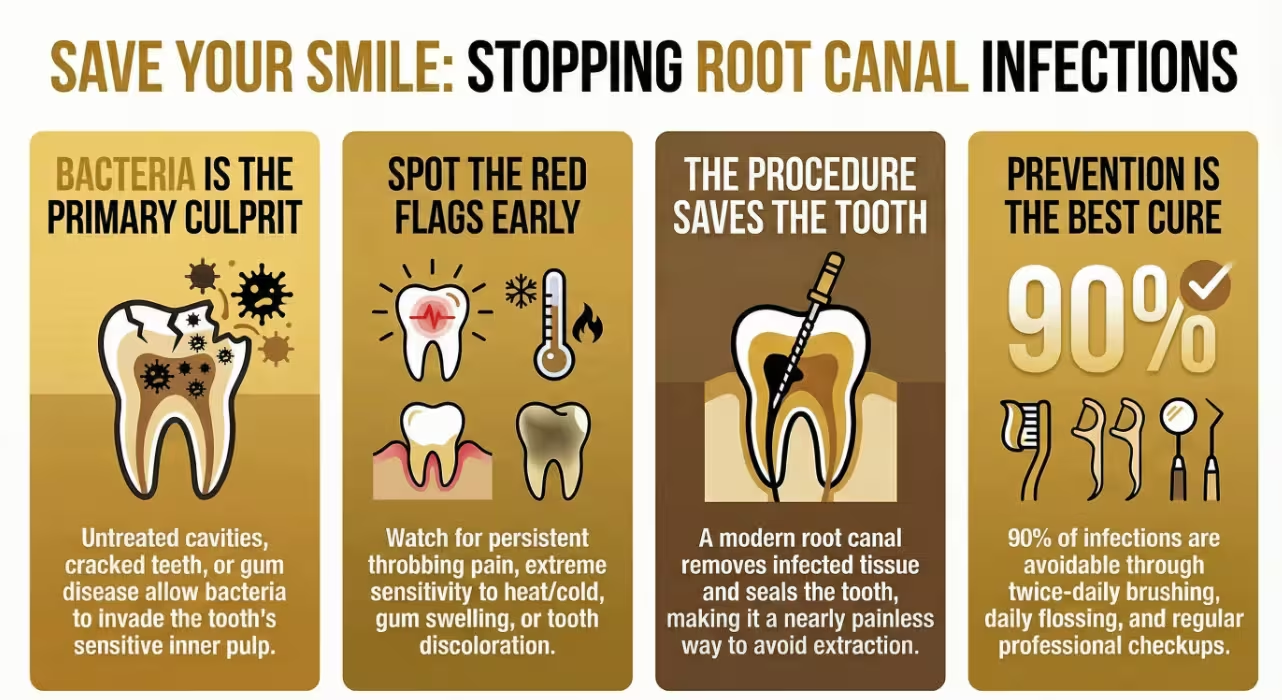
A root canal is a dental procedure designed to save an infected or decayed tooth. The procedure involves removing the infected pulp (the soft tissue inside the tooth, which contains nerves and blood vessels), cleaning the inside of the tooth, and then sealing it. Modern dental technology and anesthesia make this treatment nearly painless, offering a high success rate for saving teeth that would otherwise need to be extracted.
Root canal therapy is often a last resort, used when an infection has spread deeply into the tooth and cannot be treated with a simple filling. The goal is to remove the infection and preserve the tooth to maintain its function and appearance.
What Causes Root Canal Infections?
Root canal infections are primarily caused by bacteria that invade the tooth’s pulp. Several factors can contribute to the development of these infections, and understanding them can help you take steps to prevent future issues.
1. Deep Decay (Cavities)
One of the most common causes of a root canal infection is untreated tooth decay. When cavities go unaddressed, the decay can spread through the enamel and into the pulp. The pulp houses nerves and blood vessels, and once bacteria reach it, an infection can quickly develop. This infection leads to swelling, pain, and sometimes even pus discharge.
How to Prevent: Regular dental checkups and good oral hygiene (brushing and flossing) can help catch cavities early before they reach the pulp. If you notice any signs of decay or sensitivity, visit your dentist promptly.
2. Trauma or Cracked Teeth
Accidents or chewing on hard foods can lead to cracks or chips in your teeth, allowing bacteria to penetrate the tooth. A sudden impact can crack a tooth or even sever the blood supply to the pulp, causing it to die and become infected. If you have hairline cracks in teeth, these microscopic openings can act as “doors” for bacteria.
How to Prevent: Avoid chewing on hard objects, and wear a mouthguard if you participate in contact sports. If your tooth becomes cracked or chipped, seek dental care immediately to prevent bacteria from entering.
3. Gum Disease and Periodontitis
Gum disease, particularly periodontitis, can contribute to root canal infections. The bacteria from gum infections can travel down to the roots of the teeth and cause an infection in the pulp. Over time, untreated gum disease can lead to severe damage to the tooth, requiring a root canal.
How to Prevent: Regular brushing, flossing, and professional cleanings can help prevent gum disease. If you have red, swollen gums or bleeding when brushing, it’s essential to see your dentist for an evaluation.
4. Failed Prior Root Canal
In some cases, a root canal may fail if the original infection was not completely cleaned out. This can happen if the tooth had multiple roots that were missed or if the tooth wasn’t properly sealed. Sometimes, bacteria can leak under an old filling or crown. In these cases, understanding how long do crowns last can help you realize when it’s time for a proactive replacement.
How to Prevent: Ensure that you choose an experienced dentist for your root canal procedure to reduce the chances of complications. Regular follow-up visits and maintaining good oral hygiene can also help keep your treated tooth healthy.
5. Poor Oral Hygiene
Neglecting proper oral hygiene practices such as regular brushing and flossing can lead to plaque buildup, which can cause tooth decay and gum disease. This increases the risk of a root canal infection over time.
How to Prevent: Maintain a good oral hygiene routine, brush your teeth twice a day with fluoride toothpaste, and floss daily. Also, avoid sugary foods and drinks that can contribute to plaque buildup.
Symptoms of Root Canal Infection
Recognizing the signs of a root canal infection early is crucial for seeking prompt treatment. Below are some of the most common symptoms:
Pain and Sensitivity
One of the earliest signs of a root canal infection is persistent, throbbing pain. This pain may intensify when chewing or biting down, especially when the tooth is under pressure. Sensitivity to hot or cold is also a common symptom. The pain may worsen when the temperature stimulus remains on the tooth for an extended period.
Swelling and Abscesses
If the infection is left untreated, the gums may become swollen and tender. In some cases, a pimple-like bump may form on the gums, filled with pus from the infection. This abscess can also cause a bad taste in your mouth.
Tooth Discoloration
An infected tooth may begin to darken, turning grayish or brown. This is a result of the infection spreading through the pulp and affecting the tooth’s color. If you notice a darkening in your tooth, it’s important to see a dentist immediately.
Bad Breath and Foul Taste
A root canal infection can lead to persistent bad breath or a foul taste in the mouth. This is caused by the bacteria from the infection and pus discharge.
If you think you may need a root canal or if you have any concerns about your dental health, contact us today. Book an appointment with St Leonards Dental, and we’ll work with you to restore your smile and protect your oral health. Don’t wait for the pain to get worse, take action now.
What Happens During a Root Canal Procedure?
When you experience symptoms of a root canal infection, it’s essential to seek prompt treatment to save the tooth and alleviate the pain. Here’s what you can expect during the procedure:
Step 1: Anesthesia and Numbing
Before starting the procedure, the dentist will administer local anesthesia to numb the affected area. This ensures that you won’t feel any discomfort during the treatment. With modern anesthesia techniques, most patients report feeling no pain during the procedure.
Step 2: Accessing the Tooth
The dentist will create a small opening in the crown of the infected tooth to access the pulp chamber. This allows them to reach the nerves and blood vessels inside the tooth that are infected or damaged. This step is necessary to ensure that all infected tissue is removed.
Step 3: Cleaning the Canal
Once the pulp is exposed, the dentist will carefully remove the infected tissue from inside the tooth. The dentist uses specialized instruments to clean the root canals, shaping them to ensure they can be filled and sealed properly. The goal is to remove all bacteria and debris to prevent reinfection.
Step 4: Sealing the Tooth
After cleaning, the dentist will fill the empty root canal with a rubber-like material called gutta-percha. This material seals the tooth to prevent any future bacterial invasion. If necessary, the tooth may be temporarily sealed with a soft filling to allow the root canal to settle.
Step 5: Final Restoration
After the root canal is complete, the tooth is often weak and may require a crown to restore its strength and function. A crown is placed over the tooth to protect it and provide the necessary support for chewing and biting. In some cases, if the infection is caught early, a dental filling may be sufficient.
Post-Treatment Care
After the procedure, it’s normal to experience some tenderness or mild discomfort for a few days. Over-the-counter pain relievers are usually sufficient to manage any discomfort. Your dentist will provide detailed aftercare instructions, including recommendations for follow-up visits to ensure that the infection has been properly treated.
Root Canal Infection Treatments and Follow-Ups
While root canal therapy is highly effective, in some cases, additional treatment may be necessary, especially if the initial procedure did not fully eliminate the infection. Here are a few common follow-up treatments:
Retreatment of Failed Root Canals
If a root canal fails, usually due to incomplete cleaning or sealing, a root canal retreatment may be required. This involves reopening the tooth, cleaning out any remaining infection, and resealing the canal. This procedure is similar to the initial root canal treatment but may require more time and effort if the infection was not fully addressed the first time.
Antibiotics
If the infection has spread beyond the root canal, or if the stages of abscess has developed, your dentist may prescribe antibiotics to help control the bacterial infection. Antibiotics are often used before or after the root canal to manage infection and reduce swelling.
Abscess Drainage
In rare cases, if an abscess is present, your dentist may need to drain it to relieve pressure and remove pus from the infected area. This can prevent the infection from spreading to surrounding tissues and causing more severe health issues.
Extraction and Implant
If the tooth is severely damaged and cannot be saved, extraction may be necessary. After extraction, options like dental implants or bridges are available to restore function and appearance. However, this is a last resort, and the goal is always to preserve the natural tooth if possible.
Preventing Root Canal Infections
The best way to avoid the need for root canal treatment is prevention. Here are several key habits that can help protect your teeth from infections and other dental problems:
1. Maintain Good Oral Hygiene
Brushing your teeth twice a day and flossing once a day are essential practices to maintain healthy teeth and gums. Using fluoride toothpaste and mouthwash can also help prevent plaque buildup and cavities. Regular brushing helps to remove food particles and bacteria that could cause tooth decay, which can eventually lead to a root canal infection.
2. Visit Your Dentist Regularly
Regular dental checkups are crucial for maintaining optimal oral health. During your routine visits, your dentist can detect early signs of cavities, cracks, and gum disease that could lead to root canal infections. Professional cleanings are also necessary to remove plaque and tartar that regular brushing and flossing can’t reach.
3. Early Cavity Treatment
Cavities that are left untreated can deepen, leading to infections that may require a root canal. If you have a cavity, it’s essential to have it treated as soon as possible to prevent it from affecting the tooth’s pulp. Fillings can stop the decay from reaching the deeper layers of the tooth and help you avoid future complications.
4. Use Mouthguards for Protection
If you play contact sports or grind your teeth at night (a condition known as bruxism), wearing a mouthguard can help protect your teeth from injury and damage. Cracked teeth are a common cause of root canal infections, and using a mouthguard can prevent this from happening.
5. Address Gum Disease Promptly
Gum disease can contribute to root canal infections by allowing bacteria to enter the tooth’s roots. To prevent gum disease, brush and floss regularly, avoid smoking, and see your dentist at the first sign of gum irritation, such as redness, swelling, or bleeding.
6. Maintain a Balanced Diet
A diet high in sugary and acidic foods can contribute to cavities and tooth decay. It’s essential to maintain a balanced diet and avoid excessive consumption of sugary snacks and drinks. Drinking plenty of water also helps keep your mouth hydrated and reduces the risk of tooth decay.
Cost of Root Canal Treatment
The cost of root canal treatment can vary depending on factors such as location, the complexity of the procedure, and the type of tooth being treated. On average, in Australia, a root canal can cost anywhere from $550 to $1,500 per tooth, with the price being higher for molars and more complicated cases. Additional costs, such as crowns or post-treatment follow-ups, may also be required.
Insurance coverage can vary, so it’s important to check with your provider to see if your policy covers root canal procedures. Some policies may cover the procedure entirely or partially, while others may have limits on coverage.
At St Leonards Dental, we are committed to providing expert care for all your dental needs. If you are experiencing any of the symptoms of a root canal infection, or if you haven’t had a dental checkup in a while, don’t wait! Book an appointment with us today, and our team will work with you to provide a solution that restores your oral health and keeps your smile bright.
Frequently Asked Questions About Root Canal Infections
1. What are the signs that a root canal failed?
A failed root canal can happen when all the infected tissue isn’t removed, or the tooth wasn’t adequately sealed, allowing bacteria to re-enter. Signs of a failed root canal may include:
- Persistent pain or discomfort that doesn’t go away
- Swelling or tenderness in the gums or jaw
- A darkening of the treated tooth
- Foul-smelling breath or a bad taste in the mouth
If you experience any of these symptoms after a root canal, it’s important to contact your dentist immediately for evaluation. They may recommend a retreatment or further testing to determine the cause of the problem.
2. Can a root canal infection spread to other teeth?
Yes, root canal infections can spread to nearby teeth if left untreated. The bacteria causing the infection can travel through the bloodstream or via the dental nerves, affecting neighboring teeth and even spreading to other parts of the body in severe cases.
To prevent this, it’s essential to seek treatment early. Regular dental checkups are crucial for detecting and addressing dental issues before they become serious.
3. How long does it take to recover after a root canal?
Most patients recover within 24 to 48 hours after a root canal procedure. After the initial procedure, mild discomfort or tenderness is common, especially when chewing or biting down. This can usually be managed with over-the-counter pain relievers.
However, if pain persists for several days or worsens, it’s important to contact your dentist, as this could indicate complications.
4. Is root canal therapy always successful?
While root canal therapy is highly successful, there is a small risk of reinfection. This can happen if the tooth wasn’t thoroughly cleaned or sealed, or if the tooth develops a new issue, such as a crack or cavity.
With proper care, root canal treatment has a high success rate. Regular checkups after the procedure are essential to ensure the tooth remains healthy.
5. How much does a root canal cost without insurance?
In Australia, the cost of a root canal treatment can range from $550 to $1,500, depending on the complexity of the case and the type of tooth being treated. Molars and more complicated cases often cost more due to the complexity of the procedure.
If you’re concerned about the cost, many dental clinics offer payment plans or financing options to make the treatment more affordable. It’s always a good idea to check with your dentist about available options and your insurance coverage before undergoing the procedure.
6. Can a root canal infection be prevented?
Yes, root canal infections can often be prevented with good oral hygiene and regular dental visits. Here are some key tips to reduce the risk of a root canal infection:
- Brush your teeth twice a day with fluoride toothpaste.
- Floss daily to remove plaque and food particles from between your teeth.
- Visit your dentist regularly for checkups and cleanings.
- Address cavities or cracks early to prevent bacteria from reaching the pulp.
- Wear a mouthguard if you play contact sports or grind your teeth at night.
By taking preventive measures and addressing dental issues early, you can significantly reduce the chances of needing a root canal.
Key Takeaways and Final Thoughts
Root canal infections are a common dental issue that, if left untreated, can lead to severe pain and even tooth loss. However, by understanding the causes, symptoms, and treatment options, you can take proactive steps to prevent or address these infections early on. Remember, root canal treatment is highly effective, and modern techniques ensure that the process is relatively painless and quick.
If you’re experiencing any signs of a root canal infection, such as persistent pain, sensitivity, or swelling, don’t delay seeking treatment. At St Leonards Dental, we’re here to help you maintain your oral health and keep your smile healthy for years to come. Our team of experienced dentists can guide you through every step of the treatment process, ensuring you feel comfortable and informed.


