
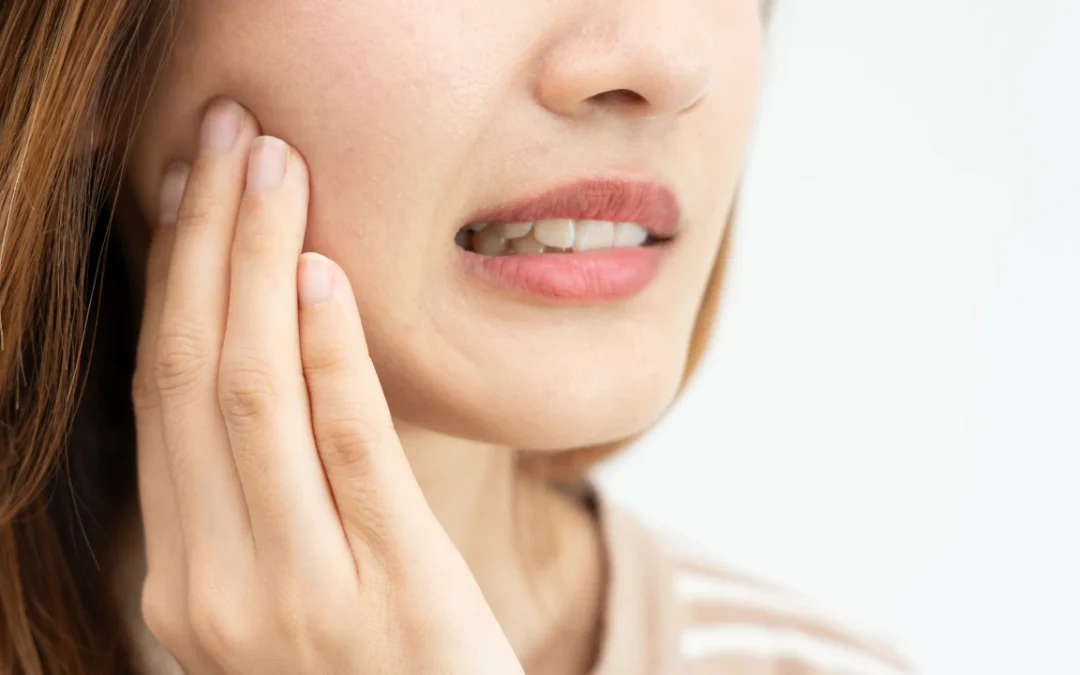
Having a sharp pain shoot through your jaw when you take a sip of a cold drink from the fridge or feeling a dull, throbbing ache that keeps you awake at night can be incredibly frustrating. These sensations are more than just a nuisance; they are your body’s way of signaling that your protective enamel has worn down or that an infection is brewing deep within the tooth. Whether you are dealing with a momentary zing of sensitivity or a persistent toothache, understanding the why behind the pain is the first step toward finding relief. At St Leonards Green Dental, we see many patients across the North Shore who struggle with these issues, and the good news is that most dental pain is both treatable and preventable with the right approach and professional care.
Why Does My Tooth Hurt?: Common Causes
Tooth pain generally falls into two categories: sensitivity caused by exposed nerves and actual toothaches caused by damage or decay. One of the biggest reasons Australians experience sensitivity is enamel erosion, often linked to high-acid diets or over-aggressive brushing habits. When the hard outer layer of your tooth wears away, it exposes the dentin, which contains tiny tubes leading directly to your nerves. Beyond simple erosion, dental trauma, like a micro-crack from biting down on something hard or a failing old filling, can allow bacteria to seep into the inner chambers of the tooth. In some cases, the pain might not even start in your mouth; sinus infections can put pressure on your upper dental nerves, mimicking a traditional toothache.
Enamel Erosion and Exposed Dentin
Your enamel is the hardest substance in your body, but it isn’t invincible. Frequent consumption of soft drinks, citrus fruits, or even wine can chemically soften this layer. Once the enamel thins, the yellowish dentin underneath is revealed. This part of the tooth is much more porous, and when it comes into contact with hot or cold temperatures, the fluid inside those tiny pores moves, triggering a sharp pain response from the nerve. This is known as dentin hypersensitivity. If you notice your teeth looking slightly yellow or rounded at the edges, you are likely losing enamel and need to take steps to strengthen what remains. If your pain is sharp only when you release your bite, you may be experiencing cracked tooth symptoms, which require a specific approach compared to general enamel wear.
Gum Recession: The Long in the Tooth Problem
Gum recession occurs when the gum tissue pulls away from the tooth, exposing the root surface. Unlike the crown of your tooth, the roots do not have a protective enamel coating. Instead, they are covered by a much thinner layer called cementum, which wears away easily. This exposure is a leading cause of chronic sensitivity in adults. It is often caused by long-term gum disease or even just brushing too hard with a firm-bristle toothbrush. Once the root is exposed, even a breath of cool air can cause discomfort, making it essential to address the health of your gums to protect the underlying nerve.
| Common Trigger | Type of Sensation | Likely Cause |
| Cold Water / Ice Cream | Sharp, sudden, short-lived | Dentin Hypersensitivity |
| Hot Coffee / Soup | Lingering, dull ache | Nerve inflammation or Pulpitis |
| Biting / Chewing | Sharp pain upon release | Cracked tooth or loose filling |
| Constant Throbbing | Deep, rhythmic pain | Dental Abscess or Infection |
Dental Trauma and Fractures
Accidents happen, whether it’s a sports injury on the weekend or accidentally biting a hidden olive pit. A cracked tooth can be particularly tricky because the pain often comes and goes. When you bite down, the crack opens, and when you let go, the sudden snap-back of the tooth segments irritates the internal pulp. These fractures provide a direct highway for bacteria to reach the center of your tooth, which can eventually lead to a serious infection. Not every visible line is a danger; knowing the difference between craze lines vs cracked tooth can help you determine if you’re seeing harmless cosmetic aging or a structural issue that needs repair. If you have a sharp pain that only happens when you eat certain foods, it is vital to have a dentist check for cracked tooth syndrome before the fracture spreads to the root.
The Hidden Impact of Sinusitis
Many patients visit our St Leonards clinic convinced they have a cavity in their upper molars, only to find their teeth are perfectly healthy. Because the roots of your upper teeth sit very close to your maxillary sinuses, any inflammation or fluid buildup in the sinuses can press down on the dental nerves. This creates a heavy, aching sensation that feels exactly like a toothache. Usually, if you feel the pain on both sides of your face and it gets worse when you bend over, the culprit is likely your sinuses rather than your teeth. However, a quick dental X-ray is the only way to rule out a real dental issue.
How to Reduce Teeth Sensitivity: Causes, Home Remedies, and Dental Treatments
Managing sensitivity often starts at home with the right products. Using a desensitising toothpaste containing potassium nitrate can help block the transmission of pain signals from the tooth surface to the nerve. It is important to remember that these toothpastes are not a one-time fix; they require consistent use over several weeks to build up a protective barrier. For those in St Leonards looking for faster results, professional treatments like high-concentration fluoride gels or dental sealants can be applied in-chair to provide an immediate shield for exposed dentin. D
How to Stop Teeth From Being Sensitive
Prevention is always better than a cure, especially regarding the daily habits that wear down your smile. Switching to a soft-bristled toothbrush and adopting a circular brushing motion, rather than a side-to-side scrubbing action, can stop further enamel wear and gum recession. Additionally, waiting at least sixty minutes to brush after eating acidic foods allows your saliva to naturally remineralise your enamel.
How to Stop a Toothache Fast
When a toothache strikes, the immediate goal is to manage the pain until you can get to a dentist. Rinsing with warm salt water can help reduce inflammation and clear away debris, while a cold compress applied to the outside of the cheek can numb the area and reduce swelling. Over-the-counter pain relief can be helpful, but it is a temporary mask for what might be a serious infection.
How Does Poor Oral Health Impact General Health?
The health of your mouth is a window into the health of your entire body. Chronic dental infections and gum disease allow harmful bacteria to enter the bloodstream, which has been linked to systemic issues like heart disease, diabetes, and respiratory infections. A persistent toothache isn’t just a localised problem; it can be a sign of inflammation that affects your overall well-being.
The Impact of Diet on Your Oral Health
What you put on your plate directly influences the strength of your teeth. Sugary snacks and acidic drinks provide fuel for bacteria to produce acid, which dissolves enamel and leads to sensitivity. On the other hand, calcium-rich foods like cheese and yogurt, along with leafy greens and fibrous vegetables, help to neutralise acids and scrub the teeth clean.
Professional Dental Treatments
While home care is vital, some causes of tooth pain require professional intervention to save the tooth. For severe sensitivity, we may recommend dental bonding, where a tooth-coloured resin is used to cover exposed roots and seal off the nerves. If a toothache is caused by a deep cavity or an infection of the pulp, a root canal treatment is often the best way to remove the source of the pain while keeping your natural tooth intact. For those with missing teeth or severe structural damage, crowns and bridges provided by our local Australian labs offer a durable and long-term solution to restore both function and comfort.
- Fluoride Varnish: A professional-grade application that strengthens enamel much more effectively than supermarket toothpaste.
- Dental Bonding: Applying a thin layer of resin to protect exposed and sensitive tooth roots.
- Inlays and Onlays: Custom-made restorations for teeth that have too much damage for a simple filling but don’t quite need a full crown.
- Night Guards: Custom-fitted appliances to protect teeth from the immense pressure of grinding (bruxism) during sleep.
Long-term Prevention: Building a Fortified Smile
Maintaining a healthy smile in Australia means more than just a quick brush before bed; it requires a consistent routine that addresses both physical cleaning and chemical protection. The most effective way to prevent the onset of toothache and sensitivity is to follow the 2-2-2 rule: brush twice a day, for at least two minutes each time, and wait at least two hours after consuming acidic foods or drinks before brushing. This waiting period is vital because acids from coffee, wine, or citrus temporarily soften the enamel, and brushing too soon can actually scrub the protective minerals away. Daily flossing is equally important, as it removes the plaque that settles between teeth where your toothbrush cannot reach, preventing the hidden cavities that often lead to sudden, sharp toothaches.
The Role of Mouthguards and Addressing Bruxism
Many Australians suffer from tooth sensitivity not because of their diet, but because of a nightly habit known as bruxism, or teeth grinding. When you grind your teeth during sleep, you apply immense pressure that can lead to micro-fractures in the enamel and cause the gums to recede. Over time, this constant friction wears down the biting surfaces, exposing the sensitive dentin underneath. If you wake up with a sore jaw, a dull headache, or teeth that feel sensitive to the touch first thing in the morning, a custom-fitted night guard from St Leonards Green Dental can provide a protective layer that absorbs this pressure and preserves your natural tooth structure.
When is a Toothache a Medical Emergency?
While some tooth sensitivity is manageable, certain symptoms indicate a serious infection that requires immediate attention. A dental abscess, which is a pocket of pus caused by a bacterial infection, will not go away on its own and can become life-threatening if the bacteria spread to the jaw or bloodstream. When a dull ache turns into a persistent throbbing accompanied by swelling, immediate tooth abscess treatment is necessary to prevent the infection from spreading. You should seek emergency dental care if your toothache is accompanied by a fever, swelling in the face or neck, difficulty breathing, or a persistent foul taste in your mouth. Providing expert dental care with over 40 years of experience. As a general rule, if a toothache lasts longer than 48 hours or is severe enough to prevent you from sleeping or working, it is time to call a professional for an urgent assessment.
Common Signs of a Dental Emergency
- Persistent Throbbing: Pain that does not subside with over-the-counter medication.
- Visible Swelling: Any inflammation of the gums that looks like a small pimple or a general swelling of the cheek.
- Loose Teeth: An adult tooth that feels loose or wobbly, often accompanied by pain.
- High Temperature: A fever often signals that the body is fighting a significant dental infection.
Final Thoughts
The journey to a pain-free smile involves a combination of smart daily habits, a tooth-friendly diet, and regular professional check-ups. Whether you are dealing with a minor zing from a cold gelato or a deep ache that won’t quit, addressing the problem early is the best way to avoid complex and costly procedures later on. At St Leonards Green Dental, we are committed to helping our local community achieve optimal oral health through expert care and personalised advice. By understanding the causes of tooth sensitivity and toothaches, you can take control of your comfort and ensure your smile stays strong for years to come.
Frequently Asked Questions
Can a toothache go away on its own?
Generally, no. While the pain might temporarily subside if the nerve inside the tooth dies, the underlying infection or decay remains and will eventually lead to a more severe abscess or tooth loss if not treated by a dentist.
Why is my tooth sensitive to cold but not hot?
Cold sensitivity is often a sign of exposed dentin or minor enamel wear. However, sensitivity to heat is frequently a red flag for pulpitis (inflammation of the tooth pulp) or a dying nerve, which usually requires a more involved treatment like a root canal.
Does salt water really help a toothache?
A saltwater rinse is an effective temporary home remedy. It acts as a natural disinfectant and helps to draw out fluids from inflamed tissues, reducing pressure and pain. However, it does not cure the cavity or infection causing the ache.
How can I tell if my sensitivity is a cavity?
It can be difficult to distinguish between the two at home, but the duration of the pain is often a clue. General sensitivity usually causes a quick, sharp flash of pain that disappears immediately after the cold or sweet trigger is removed. In contrast, a cavity often produces a lingering ache or a sharp pain that stays for several seconds or minutes, even after you have finished eating or drinking.
Is it possible to reverse tooth sensitivity?
While you cannot grow back lost enamel, you can certainly manage and silence the sensitivity. Using mineral-rich dental products can help plug the microscopic pores in your dentin, effectively blocking the pain signals. When combined with professional treatments like fluoride varnishes or dental bonding to cover exposed areas, most patients find they can return to enjoying hot and cold foods without any discomfort.


