
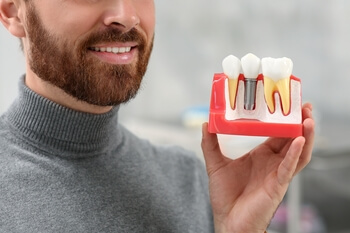
Dental implants are a long-lasting solution for replacing missing teeth. However, like any medical procedure, they may require replacement after years of use due to factors like wear and tear, damage, or complications. If you’re considering replacing an old dental implant, it’s essential to understand the process, what to expect, and how much it might cost. This guide will walk you through every step of replacing your dental implants, from the initial consultation to the final fitting of your new prosthetic. By the end of this article, you’ll have a comprehensive understanding of the implant replacement process and associated costs, helping you make an informed decision for your dental health.
At St Leonards Dental, we understand how vital it is to maintain the health and functionality of your smile. Whether you’re looking to replace a single dental implant or need a more extensive full mouth restoration, we are here to help every step of the way.
What Are Dental Implants?
Dental implants are small titanium posts that are surgically placed into your jawbone to replace the roots of missing teeth. These implants provide a strong foundation for prosthetic teeth, such as crowns, bridges, or dentures. Unlike traditional tooth replacements, implants fuse with the jawbone through a process called osseointegration, offering a stable and long-lasting solution.
Implants can significantly improve the appearance, function, and overall health of your mouth, making them an excellent choice for restoring a full smile. However, like all things, implants can wear out or experience complications over time, necessitating their replacement.
Why Would I Need to Replace Dental Implants?
Dental implants are designed to last a long time, but they can still require replacement due to several factors:
- Wear and Tear: Over time, the crown or bridge on the implant may become damaged or worn, requiring a new prosthetic.
- Implant Failure: In some cases, the implant may fail to properly fuse with the bone or may be affected by infection or peri-implantitis, an infection around the implant.
- Bone Loss: As your jawbone changes, implants may become loose and require replacement or repositioning.
- Damage: The implant or the prosthetic it supports may become damaged due to accidents or general wear.
Knowing when to replace your implants can help you avoid complications and maintain your oral health.
The Process of Replacing Dental Implants
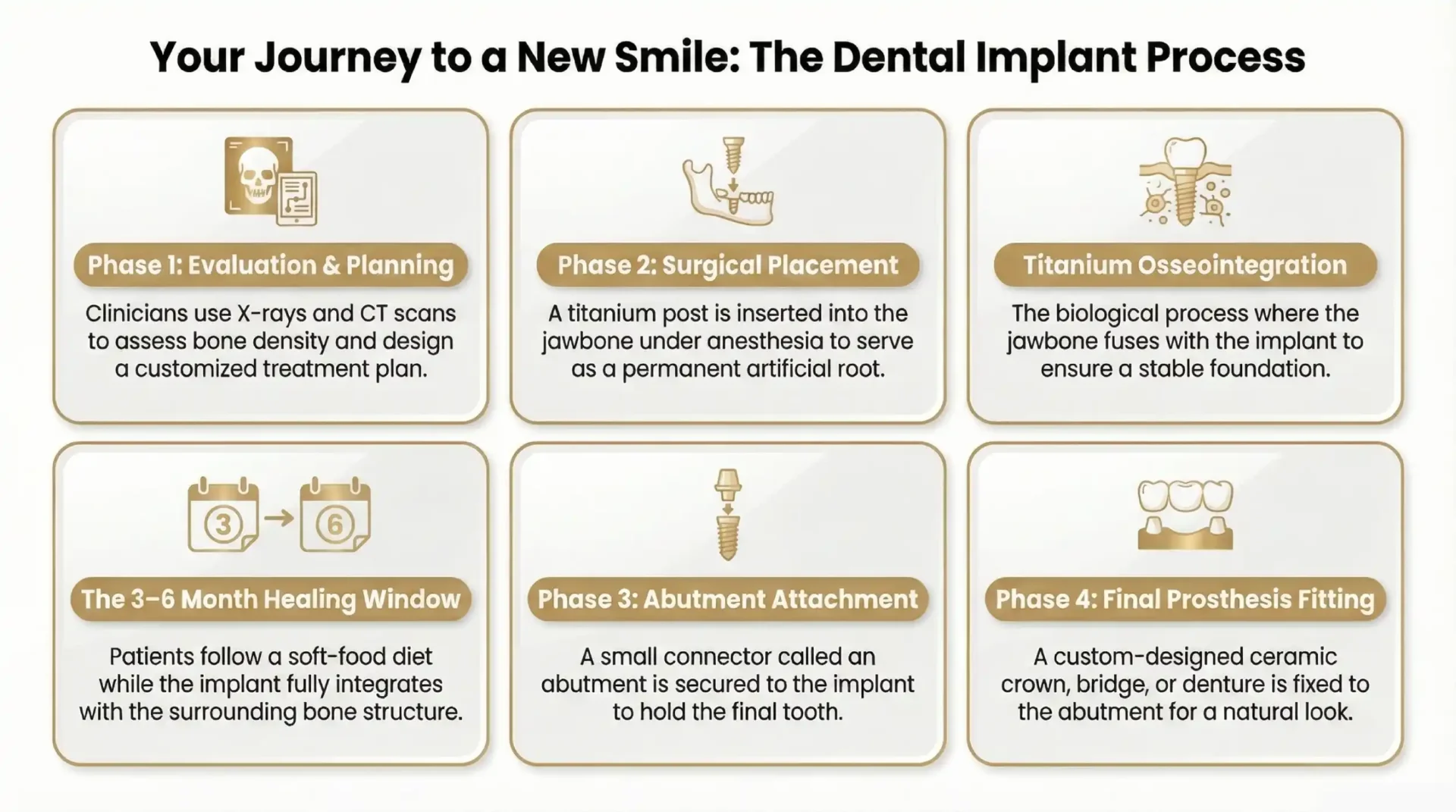
Step 1: Initial Consultation and Assessment
The process of replacing your dental implants begins with a consultation with your dentist. During this appointment, the dentist will thoroughly examine your mouth to assess the condition of your current implants and your overall oral health. This step involves:
- X-rays and CBCT (Cone Beam Computed Tomography) scans: These imaging techniques allow your dentist to evaluate the condition of the jawbone and the implants. A CBCT scan provides a 3D view of the bone, helping your dentist determine if there is sufficient bone to support a new implant.
- Oral Health Assessment: Your dentist will check for any signs of infection, gum disease, or other complications that could affect the success of the new implant. If you have active gum disease, we may first recommend early signs of gum disease treatment to ensure a sterile environment for the new implant.
- Discussing Your Goals: Your dentist will ask about your preferences and goals for the replacement, helping them develop a personalised treatment plan.
This consultation is crucial for determining the best course of action for replacing your implants, especially if there’s bone loss or infection.
Step 2: Implant Removal and Preparation
If the existing implant needs to be removed, the process will typically involve:
- Local anaesthesia to numb the area. If more than one implant needs to be replaced, sedation may be used for comfort.
- Implant Removal: The old implant will be carefully removed from the jawbone. The removal of a failed implant is handled similarly to a tooth extraction, with a focus on preserving as much natural bone as possible. If the implant has failed or caused bone loss, the removal will be done with precision to minimise damage to the surrounding bone and tissue.
- Bone Grafting (if necessary): In cases where bone loss has occurred, bone grafting may be necessary to restore the jawbone’s structure. This procedure involves adding bone material to the jaw to prepare it for the new implant. This ensures that the new implant will be stable and secure.
Step 3: Placing the New Dental Implant
Once the jawbone is prepared, your dentist will place the new titanium implant into the bone. This process involves:
- Surgical Placement: The dentist will place the titanium post into the jawbone, ensuring that it’s properly aligned and positioned for optimal support.
- Osseointegration: After placement, the implant will need several months to fuse with the bone through osseointegration. This is a crucial part of the process, as it ensures that the implant becomes a stable foundation for the replacement tooth.
The healing time varies depending on the individual, but typically, the osseointegration process takes 3 to 6 months. During this time, you will follow your dentist’s post-surgery care instructions to promote healing.
Step 4: Attaching the New Abutment and Crown
After successful healing and osseointegration, the next step is to attach the abutment to the implant. The abutment is a small connector piece that allows the crown or bridge to be securely attached to the implant. This step involves:
- Abutment Placement: The abutment is placed on top of the implant, and your dentist will ensure it fits properly.
- Impressions for the Prosthesis: Your dentist will take an impression of your mouth to create a custom crown or bridge. This is designed to match the size, shape, and colour of your natural teeth, ensuring that your smile looks and feels natural.
- Fitting the Final Prosthetic: Once the crown or bridge is ready, it will be placed onto the abutment. Adjustments may be made to ensure a comfortable fit and natural appearance.
What Is the Cost of Replacing Dental Implants?
The cost of replacing a dental implant in Australia can vary based on several factors. On average, the cost of replacing a single implant ranges between $3,000 to $6,000. This includes the implant post, abutment, and crown, but additional procedures such as bone grafting or sinus lifts may increase the overall cost.
The total cost will depend on:
- Number of Implants: The more implants you need, the higher the cost will be.
- Material Used: Titanium implants are generally more affordable, while zirconia implants are more aesthetically pleasing and tend to be more expensive.
- Additional Procedures: If you require bone grafting or sinus lifts due to bone loss, these will add to the overall cost.
Factors That Affect the Cost of Replacing Implants
Several factors influence the cost of replacing your dental implants:
Implant Type
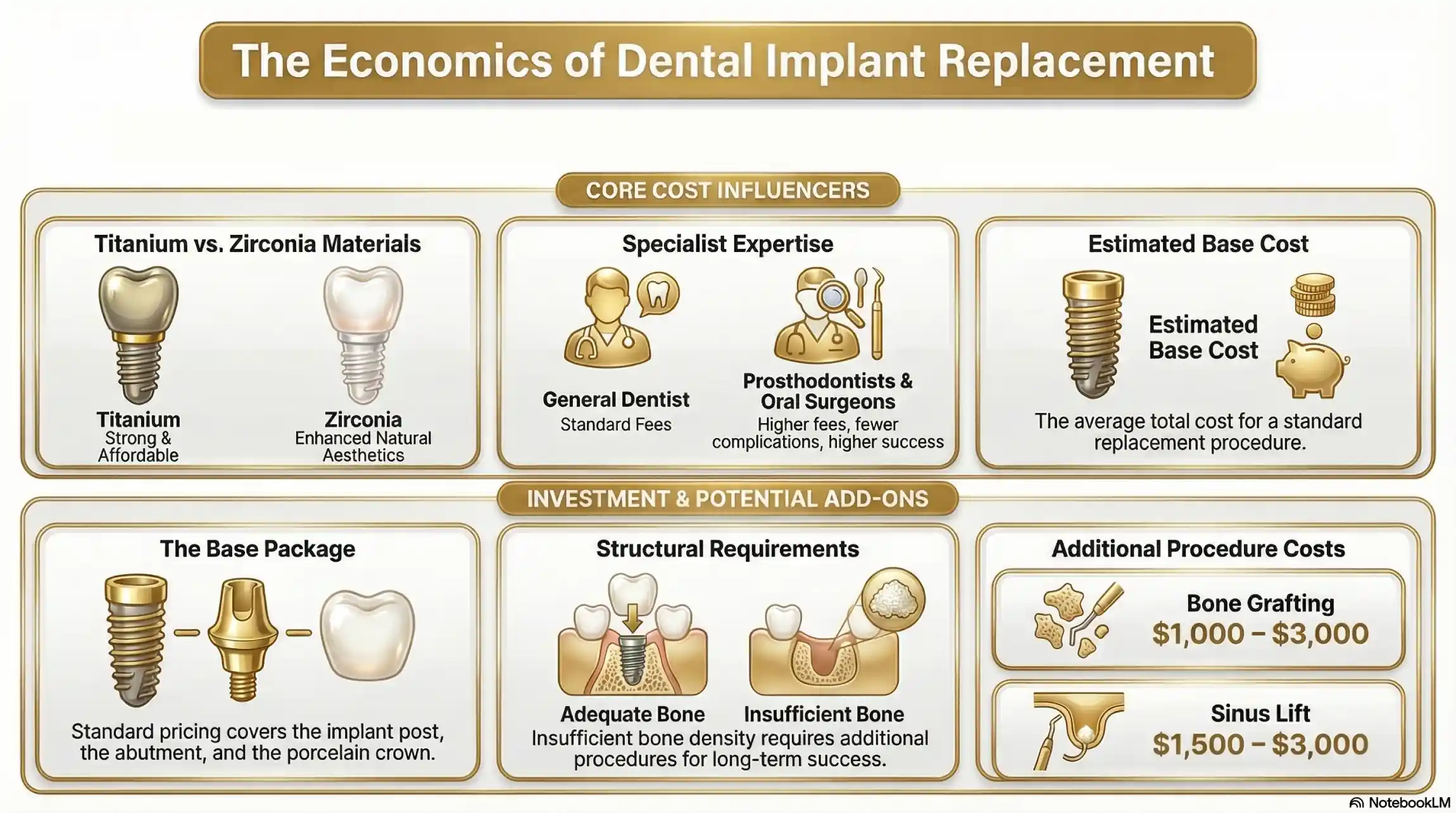
The material used for the implant significantly influences the cost of the procedure. Titanium implants are the most commonly used and are relatively affordable due to their strength, biocompatibility, and ability to fuse with the jawbone. However, if you opt for zirconia implants, which are more aesthetically pleasing and offer a more natural look, the cost will be higher. Zirconia implants are also more durable, making them a preferred choice for some patients, but their premium price reflects the enhanced quality and appearance.
Complexity of the Procedure
The complexity of your implant replacement procedure can greatly affect the cost. If additional treatments are required, such as bone grafting to rebuild bone or sinus lifts to add bone in the upper jaw, these will increase the overall price. Bone grafting is often needed when there’s insufficient bone to support the implant, which can cost an additional $1,000 to $3,000. Similarly, sinus lifts, necessary for implants in the upper jaw, can add another $1,500 to $3,000. These additional steps ensure the long-term success of the implant, but do contribute to a higher total cost.
Dentist Expertise
The experience and expertise of your dentist or oral surgeon can also influence the price. Highly skilled professionals, especially prosthodontists or oral surgeons specialising in implants, tend to charge more for their services. The additional cost, however, often guarantees a higher success rate, fewer complications, and a more precise procedure. If your case is complex or involves multiple implants, opting for an expert in the field can provide peace of mind, knowing that you’re in capable hands.
Additional Costs
The base price for replacing a dental implant generally includes the implant post, abutment, and porcelain crown. However, if additional procedures like bone grafting or sinus lifts are needed, they will add to the overall cost. The price for the implant itself typically falls between $3,500 to $6,500, depending on the complexity, material used, and the skill level of the dentist. It’s important to be aware of these potential additional costs before starting the procedure, as they can affect the final price.
Overall Cost Range
When replacing dental implants, the cost can range from $3,500 to $6,500, depending on various factors such as the type of implant material, the complexity of the procedure, and the expertise of the dentist. If additional procedures like bone grafting or sinus lifts are required, the total cost may increase. It’s essential to consult with your dentist to receive a personalised estimate that includes all potential costs for your specific case.
Insurance and Financing Options for Replacing Implants
Dental implants are often considered a major dental procedure, so private health insurance may cover a portion of the cost, depending on your plan. It’s important to check with your insurance provider to understand what’s covered. Additionally, many dental practices offer financing options to help manage the cost of implant replacement. St Leonards Dental offers flexible payment plans that make it easier to get the care you need without the financial burden.
Frequently Asked Questions (FAQs)
How Long Do Dental Implants Last?
Dental implants are a permanent solution for missing teeth and can last 20-25 years or longer with proper care. The crown or bridge may need to be replaced after 10-15 years, but the implant post (titanium screw) itself is designed to last a lifetime.
Can I Replace My Dental Implant Without Removing the Whole Structure?
In some cases, it may be possible to replace the crown or abutment without removing the entire implant. This can be done if the implant post is still in good condition and successfully integrated with the bone.
How Much Does it Cost to Replace a Single Implant?
The cost of replacing a single dental implant in Australia typically ranges from $3,000 to $6,000. This includes the implant post, abutment, and crown. Additional procedures like bone grafting or sinus lifts may increase the overall cost.
What Are the Signs That My Dental Implant Needs to Be Replaced?
Signs that your dental implant may need to be replaced include pain, looseness, gum infection, or visible damage. If you experience any of these symptoms, it’s important to consult with your dentist as soon as possible.
Is the Replacement Process Painful?
The dental implant replacement process is typically performed under local anesthesia, so you shouldn’t feel pain during the procedure. Post-surgery discomfort can be managed with pain relievers, and most patients experience only mild swelling and soreness during recovery.
Conclusion: Making the Right Decision for Your Dental Health
Replacing old dental implants is a common procedure, but it’s essential to understand when it’s necessary and what the process involves. Whether you’re replacing a single implant or considering a full-mouth restoration, working with an experienced dentist can ensure the procedure’s success and long-term health benefits.
At St Leonards Dental, we offer comprehensive consultations to help you decide if implant replacement is right for you. We’re committed to providing the highest standard of care and ensuring that your dental implants function effectively and naturally. Contact us today to schedule a consultation and discuss your options for replacing old dental implants. Let us help you restore your smile and confidence!


Dental implants are a permanent solution to missing teeth and they have a success rate of up to 95%. When Read more
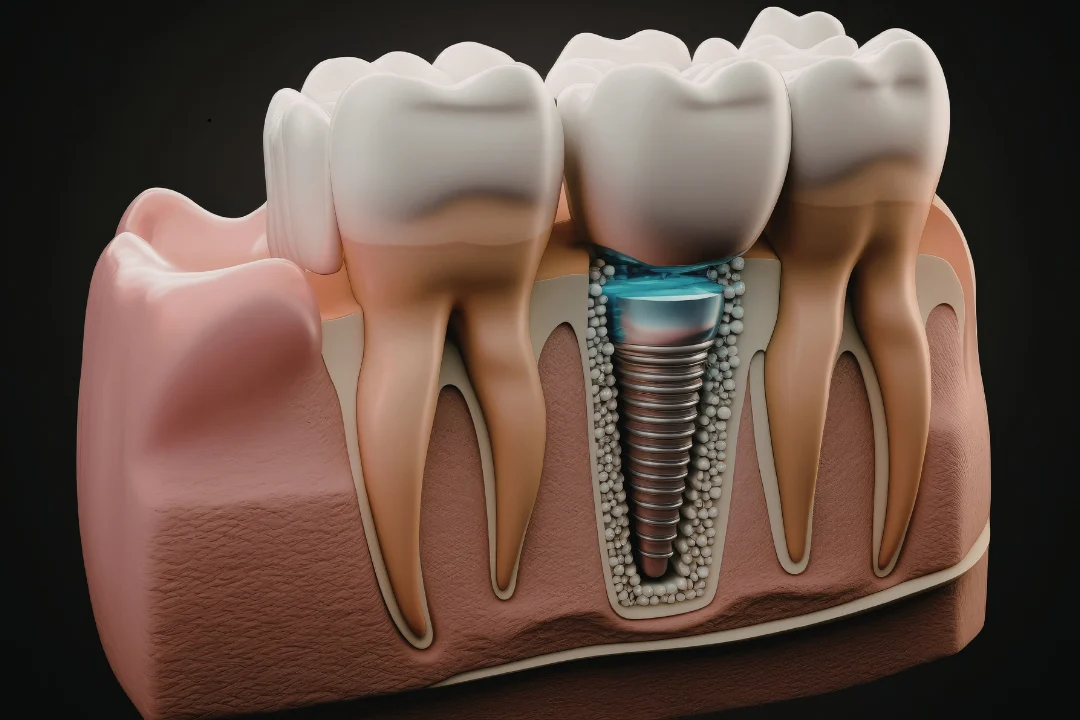
Dental implants are more than just a solution for missing teeth; they play a crucial role in preserving jawbone health Read more