
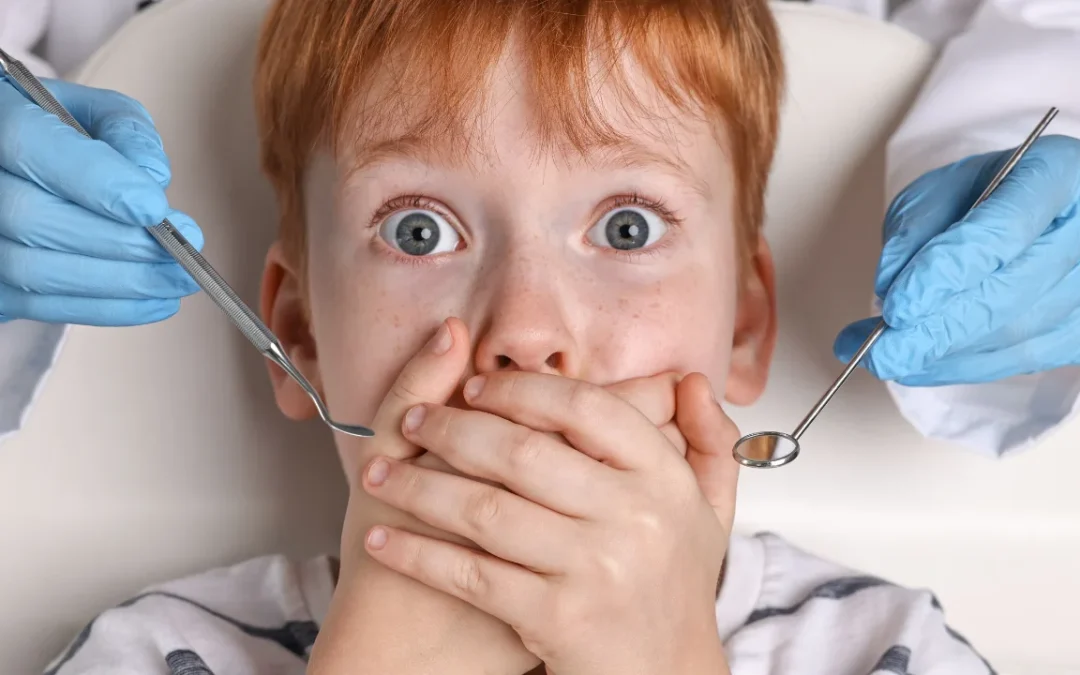
Dental anxiety affects millions of people worldwide, and it’s not something to take lightly. For many, just the thought of sitting in the dentist’s chair can trigger a physical and emotional response, making it difficult to even consider a visit, let alone undergo necessary treatments. From fear of pain to the sound of dental tools like drills and needles, these anxieties are real, but they don’t have to stop you from getting the care you need.
Dental anxiety can lead to missed appointments and untreated oral health issues, such as tooth decay, gum disease, and ultimately, tooth loss. However, there is good news: dental anxiety can be managed, and many proven strategies exist to help you overcome the fear that keeps you from seeking dental care.
What Causes Dental Anxiety?
To effectively manage dental anxiety, it’s crucial to understand its root causes. While everyone experiences dental anxiety differently, the sources of fear are often similar. Let’s break down the most common triggers:
Past Painful Experiences
Many individuals develop dental anxiety after having a painful dental procedure or negative experiences in the dental chair. These past experiences can leave a lasting impact, especially if you have felt discomfort or pain during treatment, which can create an association between dentist visits and fear. This is one of the primary reasons why people avoid seeking dental care. If you are looking for a trusted local dentist, our clinic provides comprehensive dental care in St Leonards for patients of all ages.
Fear of Pain
A significant trigger for dental anxiety is the fear of pain. Root canals, fillings, and extractions are often feared because they are perceived to be painful procedures. Even the thought of discomfort can cause a lot of stress, preventing individuals from booking appointments. This fear of pain can be so severe that it leads to avoidance and further deterioration of oral health.
Fear of Dental Tools
The sight and sound of dental instruments like the drill, needle for anaesthesia, or suction device can cause a great deal of anxiety. For some people, it’s the sound of the tools that creates a heightened sense of unease. The buzzing of the drill, the suctioning sound, and the hum of the air compressor can all evoke a physical response, causing heightened anxiety before and during procedures.
Loss of Control
Dental procedures often require you to sit in a reclined position for long periods, which can cause many people to feel helpless or out of control. The feeling of being trapped, unable to communicate or move freely, can cause extreme distress. This fear of loss of control is particularly common in people who experience general anxiety disorders (GAD) or social anxiety. When a patient feels they cannot stop the procedure or convey discomfort, it exacerbates the fear.
Embarrassment About Oral Health
Anxiety about embarrassment is another common reason people avoid the dentist. Fear of bad breath, yellowed teeth, or gums can make people feel self-conscious about their dental appearance. This embarrassment can lead to avoidance of routine check-ups or any procedures that might highlight their concerns, worsening the situation over time.
Generalised Anxiety
For some people, dental anxiety isn’t an isolated issue, it’s tied to generalised anxiety. People with generalised anxiety disorder (GAD), social anxiety, or post-traumatic stress disorder (PTSD) may experience heightened anxiety during dental visits due to the situation triggering their broader anxieties. Past trauma or emotional stress can make a routine visit feel overwhelming.
Understanding the specific causes of your dental anxiety will help you determine which strategies will be most effective in overcoming it. Addressing these triggers can alleviate the emotional and physical stress that often accompanies dental visits.
Recognising the Signs of Dental Anxiety
Dental anxiety doesn’t only affect your emotions, it also has physical and behavioral symptoms. Increased heart rate, sweating, and shaking are common physical signs of fear. Nausea or shortness of breath can also occur when anticipating dental treatment. Emotionally, you may experience panic, fear, or nervousness at the thought of a dental visit, which can trigger avoidance of appointments altogether. Identifying these symptoms early on is important, as it allows you to implement strategies like relaxation techniques or communication with your dentist to better manage your anxiety and ensure a more comfortable visit.
Open Communication with Your Dentist
One of the most important strategies to manage dental anxiety is talking openly with your dentist. Many people are reluctant to discuss their fears, but doing so can make a world of difference in the level of care and comfort you receive.
When you communicate your anxiety, your dentist can adjust their approach to suit your needs. Empathetic dentists who specialise in working with anxious patients will be able to reassure you, explain the process in detail, and even offer sedation options like nitrous oxide (laughing gas) or oral sedatives. When you’re informed about what’s happening, the unknown becomes less scary, and you can feel more in control.
Setting a Stop Signal
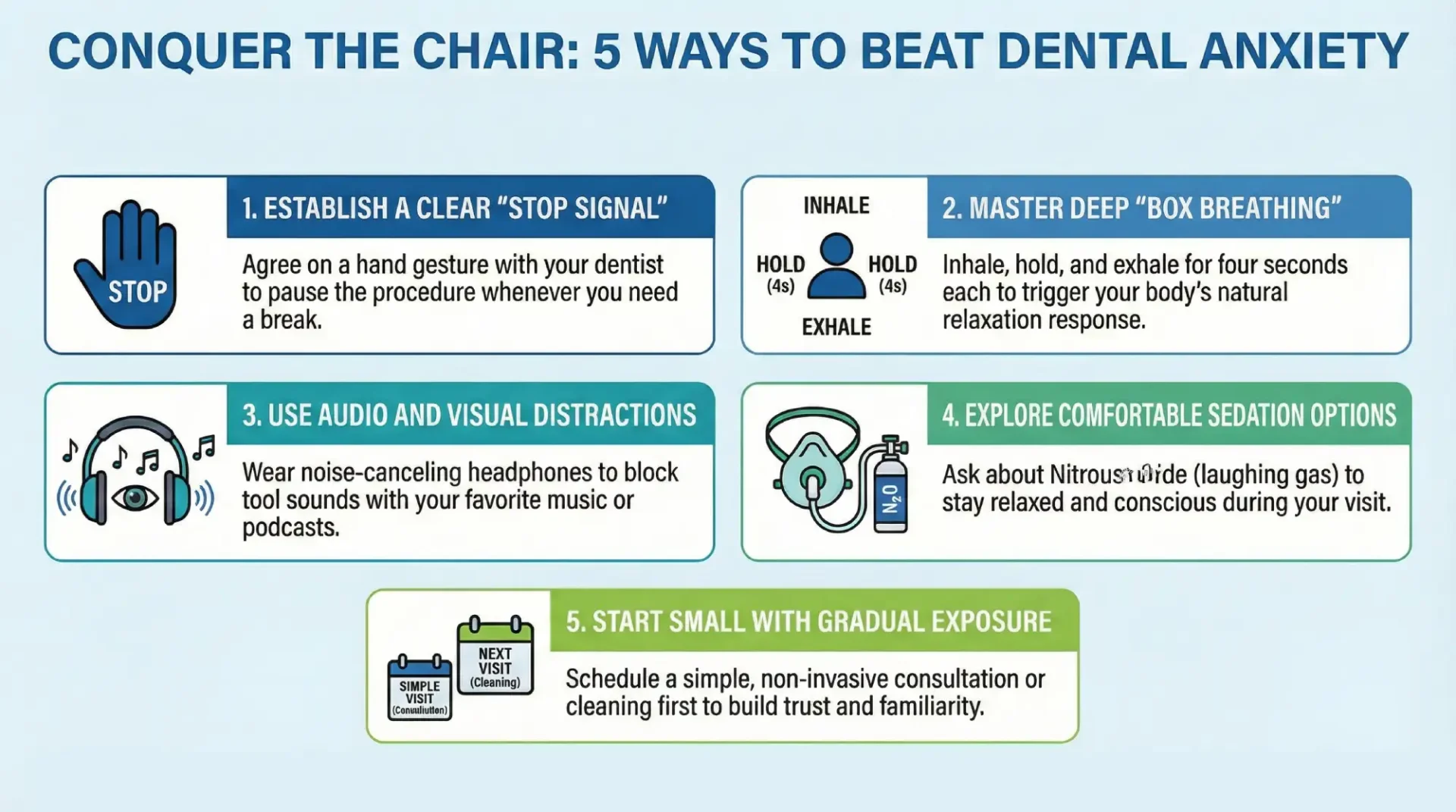
Many people who experience dental anxiety benefit from using a stop signal during their visits. This could be a hand raise or a specific word that signals to your dentist that you need a break. This simple communication tool gives you a sense of control, reducing the fear of feeling trapped in the chair.
Discussing Sedation Dentistry
Sedation options can be a game-changer for individuals with severe dental anxiety. By discussing options like nitrous oxide, oral sedatives, or even IV sedation, you can ensure that you remain calm and relaxed throughout the procedure. Knowing that these options are available can greatly reduce your anxiety and make the visit feel more manageable. Preventing decay starts with understanding how diet impacts your oral health, particularly the role of sugar and acidic foods.
Relaxation Techniques to Manage Anxiety
Relaxation techniques are one of the most effective ways to manage dental anxiety. These techniques work by calming the nervous system, reducing the physical symptoms of anxiety such as a racing heart or sweating, and allowing you to feel more in control during the dental procedure. By practicing relaxation methods both before and during your dental appointment, you can reduce stress and ensure a more comfortable experience.
Deep Breathing
Deep breathing exercises are simple yet powerful tools to reduce anxiety. Belly breathing (or diaphragmatic breathing) involves breathing deeply into your belly rather than your chest. This helps trigger the body’s relaxation response, slowing your heart rate and calming your nerves. Box breathing, breathing in for four seconds, holding for four, and exhaling for four, can also help bring calmness when anxiety begins to rise. These exercises are easy to do anywhere, even while sitting in the dentist’s chair, and can be used before and during the procedure.
Progressive Muscle Relaxation (PMR)
Progressive muscle relaxation (PMR) is another highly effective technique. This method involves systematically tensing and then relaxing different muscle groups in your body, starting from your toes and working upwards to your head. By focusing on the tension and release of each muscle group, you help alleviate physical symptoms of anxiety, such as muscle tightness and shaking. PMR helps promote a sense of relaxation, making it easier to remain calm throughout the dental visit.
Visualisation
Visualisation is a mental technique where you imagine yourself in a peaceful, calming environment, such as a beach, garden, or quiet forest. This mental imagery can be particularly helpful for those who experience overwhelming anxiety during dental procedures. By focusing on a peaceful image, your mind is distracted from the dental work happening and moves toward something that helps reduce fear. You can even combine visualisation with relaxation exercises for maximum calming effect.
Mindfulness
Mindfulness is another effective relaxation technique. Practicing mindfulness during your appointment means staying present and grounded in the moment rather than worrying about the procedure or what might go wrong. Focusing on your breathing, the sensation of your feet on the ground, or the feeling of your chair can help keep your mind from spiraling into fear. By practicing mindfulness, you learn to observe your anxious thoughts without letting them control you, making the entire experience more manageable.
Distraction Techniques to Ease Anxiety
Distraction techniques are another powerful method for managing dental anxiety. By keeping your mind focused on something other than the dental procedure, you can avoid the sensations and sounds that trigger anxiety. Many dental offices now offer a variety of tools and distractions to help patients feel more comfortable and relaxed during their visits.
Listening to Music or Podcasts
One of the easiest ways to distract yourself is by listening to music or podcasts. Many patients find that having their favorite tunes or an engaging podcast playing through noise-cancelling headphones helps block out the sound of dental tools and reduces overall anxiety. Whether you’re listening to calming music or a lighthearted podcast, it can help you focus on something more enjoyable, visiting feel less intimidating.
Virtual Reality (VR) Headsets
Some modern dental offices offer VR headsets that provide a fully immersive experience. By watching a calming video or engaging in virtual reality content, you can keep your mind occupied and distracted from the procedure. The visual and auditory stimuli from the VR headset can help you forget about the dental tools and even create a more enjoyable experience, especially for longer treatments. This is particularly useful for patients with severe anxiety who find it difficult to relax.
Fidget Tools
Using fidget tools like a stress ball, fidget spinner, or fidget cube can provide a physical outlet for nervous energy. These small, handheld objects can help distract you during the procedure, providing something to focus on while keeping your hands occupied. The act of squeezing a stress ball or manipulating a fidget spinner can also help release tension, contributing to a calmer dental experience.
Sedation Dentistry for Severe Anxiety
For individuals with severe dental anxiety, sedation dentistry offers a highly effective solution. Sedation options can help patients remain calm and relaxed during dental procedures, reducing fear and making it easier to undergo necessary treatments. There are several sedation options available, ranging from mild to deep sedation, depending on the level of anxiety and the complexity of the procedure.
Nitrous Oxide (Laughing Gas)
One of the most commonly used sedatives is nitrous oxide, also known as laughing gas. Nitrous oxide is a mild sedative that helps you feel relaxed and at ease during the procedure, without putting you to sleep. The gas is inhaled through a mask placed over your nose, and the effects are felt almost immediately. This form of sedation allows you to remain conscious and aware, but relaxed enough to prevent anxiety from overwhelming you. Nitrous oxide wears off quickly after the procedure, so you can resume your normal activities without any lingering effects.
Oral Sedatives
For patients with moderate anxiety, oral sedatives may be prescribed. These pills help you feel drowsy and relaxed, but still conscious enough to communicate with your dentist if needed. Oral sedatives are typically taken before your appointment, and their calming effects can last throughout the procedure. While this option helps manage anxiety, it may cause drowsiness after the visit, so you may need someone to drive you home.
IV Sedation
IV sedation is a deeper form of sedation that involves administering a sedative through an intravenous (IV) line. This type of sedation provides a higher level of relaxation and is often used for more complex procedures, such as root canals or tooth extractions. IV sedation keeps you relaxed and comfortable during the procedure, and you may not remember much of the treatment afterward. This option is ideal for patients with severe anxiety who need more extensive dental care.
General Anaesthesia
In rare cases where anxiety is extreme or the procedure is complex, general anaesthesia may be used. General anaesthesia puts you into a sleep-like state during the procedure, ensuring that you are completely unaware and pain-free. This option is typically reserved for patients who cannot tolerate any level of awareness during dental treatments.
By discussing your level of anxiety and the nature of your procedure with your dentist, you can determine the most appropriate sedation option for you. Sedation dentistry offers a solution for those who experience overwhelming fear and helps make dental visits more manageable.
Gradual Exposure to Overcome Your Fear
Gradual exposure is a psychological technique that can help reduce dental anxiety over time. The idea is to gradually desensitise yourself to dental visits by starting with less intimidating experiences and slowly progressing to more complex procedures. This process allows you to build confidence and familiarity with the dental environment, making each visit less stressful than the last.
Start Small with Non-Invasive Visits
Begin with simple, non-invasive procedures like routine check-ups or cleanings. These visits provide an opportunity to get comfortable with the dental environment without the pressure of undergoing major treatments. You can also start by simply visiting the office for a consultation, where no procedures are performed. The goal is to familiarise yourself with the dental team and the environment, making future visits less intimidating.
Practice Visits
Some dental offices offer practice visits, where you sit in the dental chair and get accustomed to the environment without any treatment being done. This helps you feel more comfortable with the physical surroundings, allowing you to build trust and reduce anxiety in a low-pressure setting.
Systematic Desensitisation
Gradual exposure involves systematic desensitisation, which means you slowly work your way up to more complex procedures, such as fillings or root canals. With each visit, your anxiety decreases as you become more familiar with the process. Your dentist will be there to guide you every step of the way, ensuring you are as comfortable as possible.
By gradually increasing your exposure to dental procedures, you will learn to manage your anxiety and feel more in control during each visit. Over time, this process will help you develop the confidence to tackle more complex dental care without fear. To save a severely decayed or damaged tooth, we often recommend gentle root canal therapy to remove infection and preserve your natural smile.
Long-Term Strategies for Overcoming Dental Anxiety
Overcoming dental anxiety isn’t a one-time fix; it’s a process that requires long-term commitment and consistency. By implementing long-term strategies, you can build lasting comfort with the dental environment and prevent anxiety from resurfacing in the future. These strategies involve gradually desensitising yourself to dental visits, strengthening your coping mechanisms, and fostering a routine that makes each visit more comfortable than the last.
Regular Dental Visits to Build Comfort
One of the most effective long-term strategies for reducing dental anxiety is to maintain a routine of regular dental visits. By scheduling check-ups and cleanings every 6 months, you create a predictable pattern and get accustomed to the dental process over time. Each visit, even if it’s just a cleaning or consultation, helps you build familiarity with the environment, making future visits feel less intimidating. Routine visits also help you stay on top of your oral health, preventing the need for more invasive procedures that might trigger more anxiety.
Starting early with preventive care can greatly reduce the need for emergency procedures, which tend to cause the most anxiety. Consistency helps ease fear, and as you see that each visit becomes easier, you’ll begin to associate the dental office with routine care rather than stress.
Cognitive Behavioral Therapy (CBT)
For those who have deep-rooted fears or a history of traumatic dental experiences, Cognitive Behavioral Therapy (CBT) can be incredibly effective. CBT is a psychological treatment that helps you identify and challenge the negative thoughts that fuel your fear of the dentist. By addressing these thoughts directly, you can reframe your perception of dental visits and reduce the emotional and physical response to anxiety.
CBT can help patients break the cycle of avoidance that often accompanies dental anxiety. Rather than worrying about a dental visit, CBT focuses on replacing irrational fears with realistic, calming thoughts. This therapeutic approach helps to reduce the physical symptoms of anxiety, such as racing heart rate or nausea, and replaces them with a sense of control and confidence. Working with a therapist who specialises in dental phobia can help you address both the mental and physical aspects of your anxiety, providing long-term relief.
Therapy for Severe Anxiety
For individuals with severe dental phobia, therapy can be particularly beneficial. A licensed therapist can help you explore the root causes of your anxiety and provide personalised techniques to address it. If your fear is connected to broader mental health conditions, such as generalised anxiety disorder (GAD), social anxiety, or post-traumatic stress disorder (PTSD), therapy can offer a more comprehensive approach to managing anxiety across various aspects of your life. Overcoming dental phobia often requires addressing underlying mental health challenges, which a therapist can help you navigate.
Therapy may involve a combination of talk therapy, relaxation techniques, and exposure therapy, which gradually exposes you to the feared situation in a safe and controlled manner. This holistic approach can lead to lasting changes in how you perceive and react to dental visits.
Joining Support Groups
Joining a support group or participating in online forums for individuals with dental anxiety is another great way to find long-term support. These communities allow you to connect with others who share similar experiences, providing a space to exchange coping strategies, encourage one another, and share success stories.
In a supportive environment, you can discuss what techniques have worked for others and receive validation that you are not alone in your struggle. Support groups can help you feel understood, reduce feelings of isolation, and provide encouragement on your journey to overcoming dental anxiety. Some online forums also offer tools, resources, and additional reading materials to help you manage your fear.
Frequently Asked Questions About Overcoming Dental Anxiety
How can I recognise what triggers my dental anxiety and discuss it with my dentist effectively?
The best way to recognise triggers is by reflecting on your previous dental experiences. Are there specific sounds, tools, or procedures that cause you stress? Once you’ve identified these triggers, talk to your dentist openly so they can adjust their approach to address your concerns.
What are the pros and cons of sedation for dental anxiety, and how can I choose the right option for me?
- Pros of Sedation: Sedation helps you relax during the procedure, ensuring that anxiety doesn’t interfere with the treatment. Nitrous oxide and oral sedatives are mild but effective, while IV sedation is for more complex procedures.
- Cons of Sedation: Sedation requires careful monitoring, and you may need someone to drive you home afterward. It can also cause temporary grogginess or confusion after the procedure.
What is gradual exposure therapy, and how can it help with dental anxiety?
Gradual exposure therapy involves slowly getting used to dental visits in a controlled manner. You can start with less intimidating visits, such as consultations or routine cleanings, and gradually progress to more invasive procedures as you build comfort. This method helps reduce fear and anxiety over time.
Can relaxation techniques like deep breathing really help with dental anxiety?
Yes, deep breathing exercises help activate the body’s relaxation response, reducing anxiety and promoting calmness. Incorporating these techniques into your routine can help you stay calm before and during your dental appointments.
Conclusion: Reclaim Your Smile with Confidence
Dental anxiety is a common but manageable condition. With the 7 proven strategies discussed, you can overcome your fear of the dentist and regain control over your oral health. From open communication and relaxation techniques to sedation options and gradual exposure, there are numerous ways to make dental visits more comfortable and less stressful.
At St Leonard’s Dental, we understand the challenges of dental anxiety and are committed to providing a supportive, compassionate environment. Our experienced team offers a range of solutions to help you feel at ease during your visit. Don’t let fear prevent you from achieving optimal oral health, schedule your appointment today and take the first step toward a stress-free dental experience.


