
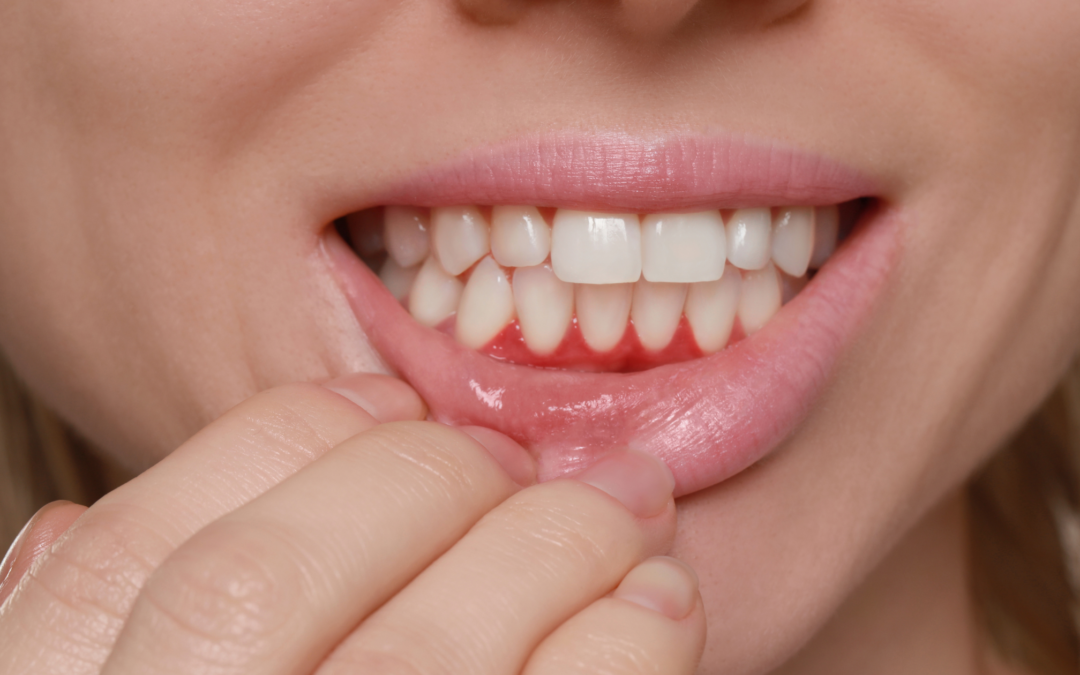
Are you concerned about bleeding when you brush or floss? This small detail is often the first sign of gum disease, a common condition that many Australians face. Catching these changes early is essential because it means the difference between a simple fix and extensive future treatment. This comprehensive guide details the key things you should watch for and provides clear, professional advice on how you can treat this condition effectively to protect your smile for the long term.
Why Early Detection of Periodontal Disease Matters
Gum disease, officially called periodontal disease, is an inflammatory condition that impacts the tissues surrounding and supporting your teeth. It operates on a spectrum, beginning as the mild and reversible condition called Gingivitis and, if left unchecked, escalating to the serious and irreversible condition known as Periodontitis, which leads to tissue and bone loss around the teeth.
Because the early signs are frequently painless, many people in Sydney and across Australia dismiss them. However, early detection is crucial because while Gingivitis is easy to fix, Periodontitis requires significantly more intensive and expensive treatment to control, and the bone and gum tissue lost can never fully be replaced.
The Earliest Warning Signs of Gum Disease (Gingivitis Stage)
The initial phase of gum disease, Gingivitis, is characterised by changes that are usually mild and often appear limited to the soft tissues of the mouth. This stage is triggered primarily by the accumulation of dental plaque along the gum line. Recognising these subtle shifts is your opportunity to seek intervention and completely reverse the condition before it progresses to cause lasting harm to the supporting structures of your teeth.
Bleeding Gums: The #1 Indicator
The most common early warning sign is blood on your toothbrush or floss, or when you eat something hard. Healthy gum tissue should not bleed when gently brushed or flossed. Bleeding means that the tissue is inflamed and reacting to the bacteria that have built up along the gum line. This should be taken as a direct signal to review your hygiene routine and see a dental professional.
Red, Swollen, or Puffy Gums
Healthy gums are typically a firm, pale pink color. If they start to look bright red, dark red, or purplish, and appear puffy or swollen, it indicates inflammation. This visible change is the body’s natural immune response to the irritating bacteria present in the mouth.
Persistent Bad Breath (Halitosis) and Bad Taste
Bad breath that lingers even after brushing can be a symptom of gum disease. The bacteria accumulating in the mouth and their waste products produce an unpleasant odor. This persistent smell is a sign of an ongoing infection that needs to be addressed professionally.
How Gum Inflammation Starts
The initiation of gum disease begins with the formation of the Dental Plaque/Biofilm, a soft, colourless film that constantly forms on your teeth. If this plaque is allowed to remain, the bacteria release toxins that irritate the gum tissue, causing the inflammation characteristic of Gingivitis.
Crucially, at this point, the supporting fibres and bone around the tooth are still intact. Gingivitis is defined by the presence of inflammation without Clinical Attachment Loss (CAL) or alveolar bone resorption (the loss of the bone surrounding the tooth root). This early stage is your warning, a sign that you must improve your hygiene routine and seek a professional dental cleaning.
Advanced Symptoms: When Gum Disease Progresses to Periodontitis
If Gingivitis is not treated, the bacterial infection spreads deeper below the gum line. This causes the body’s immune system to turn destructive, breaking down the fibres that anchor the tooth root to the bone, leading to Periodontitis. This is a far more serious condition, as the damage it causes to the underlying structures is permanent and can ultimately lead to tooth loss.
Receding Gums and Tooth Sensitivity
In advanced stages, the gum tissue starts to pull away from the tooth, a process called Gum Recession. This makes your teeth look longer than usual. When the gum recedes, it exposes the tooth root surface, which is not protected by enamel, leading to increased sensitivity to hot and cold temperatures.
Deepening Periodontal Pockets
As the supporting tissue is destroyed, spaces, or pockets, form between the teeth and gums. Your dentist measures these pockets with a periodontal probe. Pockets measuring 4mm or more are concerning because your brush and floss cannot clean them, creating sheltered areas for bacteria to multiply and destroy the underlying bone.
Loose, Shifting, or Separating Teeth
The stability of your teeth depends entirely on the health of the surrounding bone. When Periodontitis has caused extensive bone loss around the roots, the teeth lose their anchor and may become unstable, leading to Tooth Mobility. You might notice your teeth feel loose, shift positions, or that spaces are beginning to appear between teeth that weren’t there before. This progression is accompanied by functional problems such as Painful Chewing or difficulty biting down, which demonstrates the severity of the advanced disease.
Visible Infection or Pus Discharge
In more severe cases of periodontitis, the deep pockets can become reservoirs of infection, leading to a build-up of white or yellow material, which is pus. You might be able to press on your gums and see a visible discharge of pus between your teeth and gums. This is a sign of an active, localised infection and an urgent need for professional attention, as the infection is destroying tissue and bone.
Understanding the Stages of Gum Disease (Gingivitis to Advanced Periodontitis)
To provide the right treatment, dental professionals classify gum disease based on its severity and extent. This systematic approach ensures that patients receive the appropriate care to stabilise their condition, moving from a simple infection to a disease that has caused measurable loss of tooth support.
Stage 1: Gingivitis (The Reversible Stage)
Gingivitis represents the initial stage of gum disease and is solely confined to the gum tissue. It is caused by the presence of bacterial plaque at the gum line. The good news is that at this stage, the process is fully curable/reversible. The primary treatment focus is professional teeth cleaning to remove all plaque and calculus, followed by a renewed commitment to excellent daily oral hygiene.
Stage 2: Periodontitis (Mild to Moderate)
Once the infection has caused irreversible damage, it is classified as Periodontitis. This stage involves definitive Clinical Attachment Loss (CAL), the fibres connecting the gum to the tooth are severed, and initial bone loss. Pockets are now deeper than 4mm. The standard treatment for this stage is a specialised deep cleaning procedure called Scaling and Root Planing (SRP), where the dental team cleans the tooth roots beneath the gum line.
Stage 3 & 4: Moderate to Severe/Advanced Periodontitis
The most advanced stages of the disease feature extensive bone loss, significant tooth mobility, and a high risk of losing multiple teeth. These cases often require a referral to a specialist (periodontist) and may involve advanced treatment options. These can include surgical procedures like Pocket Reduction Surgery, or regenerative techniques like Bone Grafting or Gum Grafting to try and rebuild some of the lost supporting structures. Sometimes, advanced tools like LANAP (Laser-Assisted New Attachment Procedure) are used to manage the deep infection.
How to Treat Gum Disease: Professional and At-Home Care
Successfully treating gum disease requires a partnership between your dental team and your commitment to daily hygiene. The appropriate treatment depends entirely on which stage of the disease you have, which is why an accurate diagnosis by a dentist is essential. The goal is always to remove the source of the infection, the bacteria, plaque, and calculus, and prevent any further destruction of the bone.
Professional Treatment Options (Non-Surgical)
For the earliest stage, Gingivitis, the primary professional treatment is a standard Routine Dental Cleaning (Prophylaxis) to remove all hardened plaque (calculus) from above the gum line. However, once the disease has progressed to Periodontitis, a more intensive procedure is required. The gold standard non-surgical treatment is Deep Cleaning, also known as Scaling and Root Planing (SRP). This procedure involves carefully cleaning the bacteria, plaque, and tartar from the tooth root surfaces below the gum line and smoothing the root surfaces to make it harder for bacteria to stick there in the future.
Depending on the case, your dentist may also apply Antibiotic Therapy, such as placing tiny antibiotic gels or chips directly into the deep pockets or prescribing oral antibiotics to help control the infection after the cleaning.
Advanced Surgical Interventions
If the pockets remain too deep after SRP, or if the disease has caused significant bone loss, your dentist may recommend referral to a specialist for surgical treatment. The aim of these procedures is to access deeper infected areas and, where possible, encourage tissue regrowth.
Key surgical options include:
- Pocket Reduction Surgery (Flap Surgery): The gum tissue is gently folded back to allow the dentist to thoroughly clean the root surfaces and reshape the bone that has been damaged.
- Gum and Bone Grafting: These regenerative procedures involve placing membranes, bone fragments, or synthetic materials in the affected areas to encourage the body to regrow lost bone and tissue, helping to re-stabilise the teeth.
Essential Home Care for Prevention and Maintenance
Professional treatment can eliminate the existing infection, but your daily habits dictate whether the disease returns. Excellent home care is the foundation of preventing Gingivitis and maintaining control over Periodontitis.
The essential routine involves:
- The Daily Routine: Brushing your teeth twice a day with a soft-bristled brush (electric is often recommended) and cleaning between your teeth once a day. This means Flossing Daily or using alternative tools like interdental brushes to disrupt the plaque that accumulates below the gum line where a toothbrush cannot reach. Routine checkups are a crucial step in keeping your family’s smiles healthy for life..
- Chemical Plaque Control: Using an antibacterial mouthwash can help reduce bacteria levels, but it should be used at a different time than brushing to maximise the effectiveness of your fluoride toothpaste.
- Quitting Smoking: Tobacco use is the most significant risk factor for developing and accelerating gum disease. Quitting is the most effective single action you can take to improve your periodontal health.
Risk Factors and Systemic Links to Gum Disease
Gum disease is not just an isolated oral health issue; it is a complex inflammatory disease influenced by lifestyle choices and overall medical health. Understanding these links is vital for effective treatment and for demonstrating a thorough, authoritative approach to patient care.
Major Risk Factors That Accelerate Periodontitis
While plaque is the direct cause, several factors can drastically increase your susceptibility to gum disease or make it progress more rapidly:
| Risk Factor | How it Impacts Gum Health |
| Smoking/Tobacco Use | Decreases blood flow to the gums, masking bleeding (the key warning sign), and impairs the body’s ability to fight infection and heal after treatment. |
| Diabetes (Poorly Controlled) | This causes a two-way relationship: periodontitis makes it harder to control blood sugar, and high blood sugar levels increase inflammation throughout the body, accelerating gum tissue and bone breakdown. |
| Genetics | Some individuals are genetically predisposed to developing severe periodontitis, even with good hygiene, due to how their immune system responds to bacteria. |
| Hormonal Changes | Fluctuations during pregnancy, puberty, and menopause can make gums more sensitive and prone to inflammation (Pregnancy Gingivitis). |
| Medications | Certain medications (e.g., some heart medications, anti-seisure drugs) can cause dry mouth, reducing saliva’s protective effects, or cause gum enlargement. |
The Gum-Body Connection: Is Gum Disease Linked to Other Diseases?
The inflammation and bacteria originating in your mouth do not stay confined there. The chronic infection present in periodontitis can release inflammatory mediators and bacteria into the bloodstream, connecting oral health directly to systemic health:
- Cardiovascular Disease (Heart Disease/Stroke): Research suggests a link between chronic gum inflammation and an increased risk of heart disease, as the bacteria may contribute to plaque build-up in the arteries.
- Respiratory Disease: Bacteria from infected gums can be inhaled into the lungs, potentially worsening conditions like pneumonia, especially in older adults.
- Pregnancy Complications: Untreated Periodontitis has been linked to an increased risk of Preterm Birth and Low Birth Weight in newborns.
Addressing your gum disease at St Leonards Dental is not just about saving your teeth; it is a critical step in managing your overall systemic health.
Frequently Asked Questions
1. What is the difference between Gingivitis and Periodontitis?
Gingivitis is the mildest form of gum disease, causing the gums to be red, swollen, and bleed easily. It is reversible with professional cleaning and good home hygiene because it has not yet caused any bone or tissue loss. Periodontitis is the advanced stage where the infection has spread deeper, resulting in irreversible destruction of the bone and fibers.
2. Can gum disease be reversed entirely?
Only the early stage, Gingivitis, can be completely reversed. Once the disease progresses to Periodontitis, the damage, particularly the bone loss, is permanent. Treatment at this stage focuses on controlling the infection, stopping its progression, and stabilising the remaining supporting structures to prevent further damage and tooth loss.
3. Why do my gums bleed when I floss, and should I stop?
Your gums bleed when you floss because they are inflamed due to plaque buildup. You should not stop flossing. Bleeding is the key sign of inflammation (Gingivitis). By flossing consistently and gently every day, you remove the plaque causing the irritation. As the inflammation subsides, the bleeding will stop, usually within a week or two.
4. What is a deep cleaning and is it painful?
A deep cleaning is a non-surgical procedure used to treat Periodontitis. It involves thoroughly cleaning the plaque, tartar, and bacteria from the tooth root surfaces below the gum line. It is performed under local anesthetic to ensure you are comfortable, making the process generally painless.
5. Is gum disease linked to other health problems?
Yes, Periodontitis is a chronic inflammatory disease that has been linked to several systemic health issues. The bacteria and inflammation from the gums can enter the bloodstream, potentially worsening conditions like Diabetes and increasing the risk factors for heart attack and stroke. Treating gum disease is an important part of managing your overall health.
Final Thoughts
The early signs of gum disease are silent alarms, signals that your mouth needs immediate professional attention. Whether you are experiencing mild bleeding (Gingivitis) or advanced symptoms like loose teeth and recession (Periodontitis), timely intervention is the only way to avoid irreversible damage and the need for more complex, costly treatments like extractions or dental implants.
Do not ignore that occasional pink tinge on your toothbrush. If you are experiencing any of the warning signs detailed above, we urge you to take action. At St Leonards Dental, we specialise in accurate diagnosis using the periodontal probe and X-rays to determine your exact disease stage and provide the most effective treatment, ranging from professional deep cleaning to restorative solutions. Book an appointment today to protect your smile and your overall health.


