
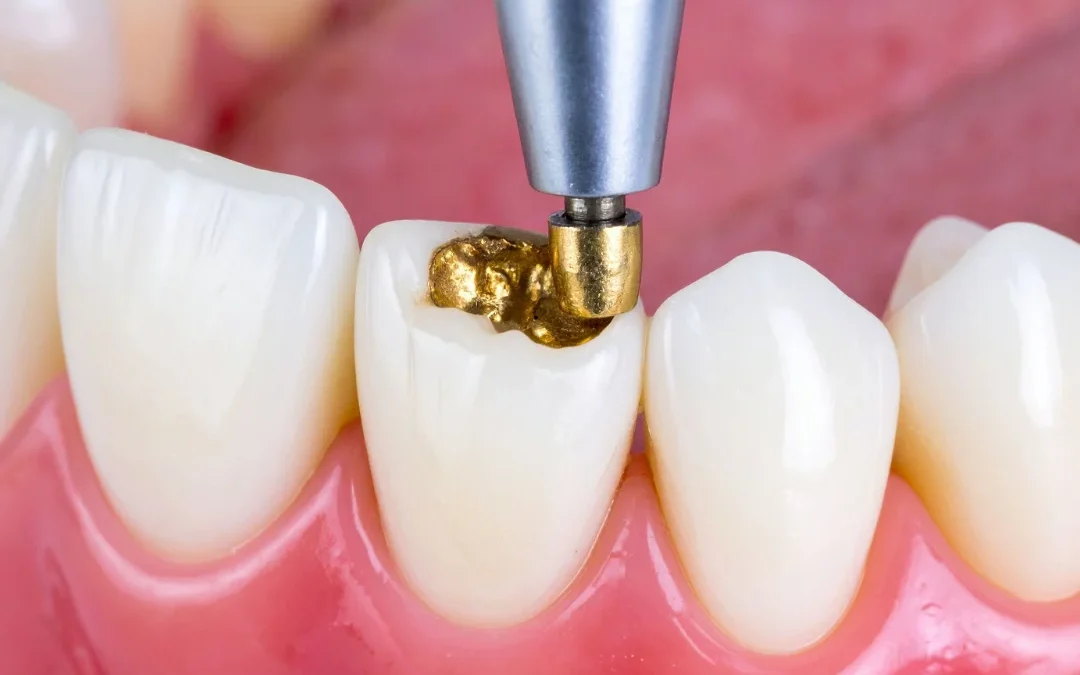
Dental fillings are a common procedure that many people undergo to restore a tooth that has been damaged by decay. However, the question that often arises before the procedure is: Do dental fillings hurt? And, should you be worried about pain? These are valid concerns, as dental procedures often carry some anxiety, and nobody likes the idea of discomfort during or after treatment.
We’ll also provide insights into the different types of fillings available, pain management strategies, and when you should contact your dentist if the discomfort persists. Whether you’re preparing for a filling or simply curious, this post is designed to offer you all the information you need in an easy-to-understand format.
What Are Dental Fillings and Why Do We Need Them?
Dental fillings are a standard method of treating cavities caused by tooth decay. When bacteria break down food particles in the mouth, they produce acids that erode tooth enamel, leading to cavities. If left untreated, cavities can worsen, potentially leading to pain, infection, or tooth loss.
Why Fillings Are Necessary
Fillings restore a tooth that has been damaged by decay, allowing the tooth to regain its shape and function. They are also essential for preventing further decay, protecting the tooth from bacteria, and preserving your oral health. Without fillings, cavities can continue to grow, causing more severe damage and potentially requiring more invasive treatments like root canals or extractions.
Types of Dental Fillings
Several types of fillings are available, each with its pros and cons. The most common types include:
- Amalgam Fillings: Made of silver, mercury, tin, and copper. These are durable and cost-effective but may not be as aesthetically pleasing.
- Composite Resin Fillings: Tooth-colored fillings that blend seamlessly with your natural teeth. Ideal for fillings in visible areas, they are less durable than amalgam but offer a more aesthetic result.
- Porcelain Fillings: These are also tooth-colored and offer a more durable option than composite resin. They are more expensive but are ideal for large fillings.
- Gold Fillings: A strong and durable material, but they are less common today due to cost and the visible nature of gold.
Understanding the material used for your filling is important because it can affect the treatment’s outcome, appearance, and durability.
Do Dental Fillings Hurt?
The question everyone wants to know: Do dental fillings hurt? The answer depends on several factors, including the type of filling, the depth of the cavity, and your personal pain tolerance.
Pain During the Procedure
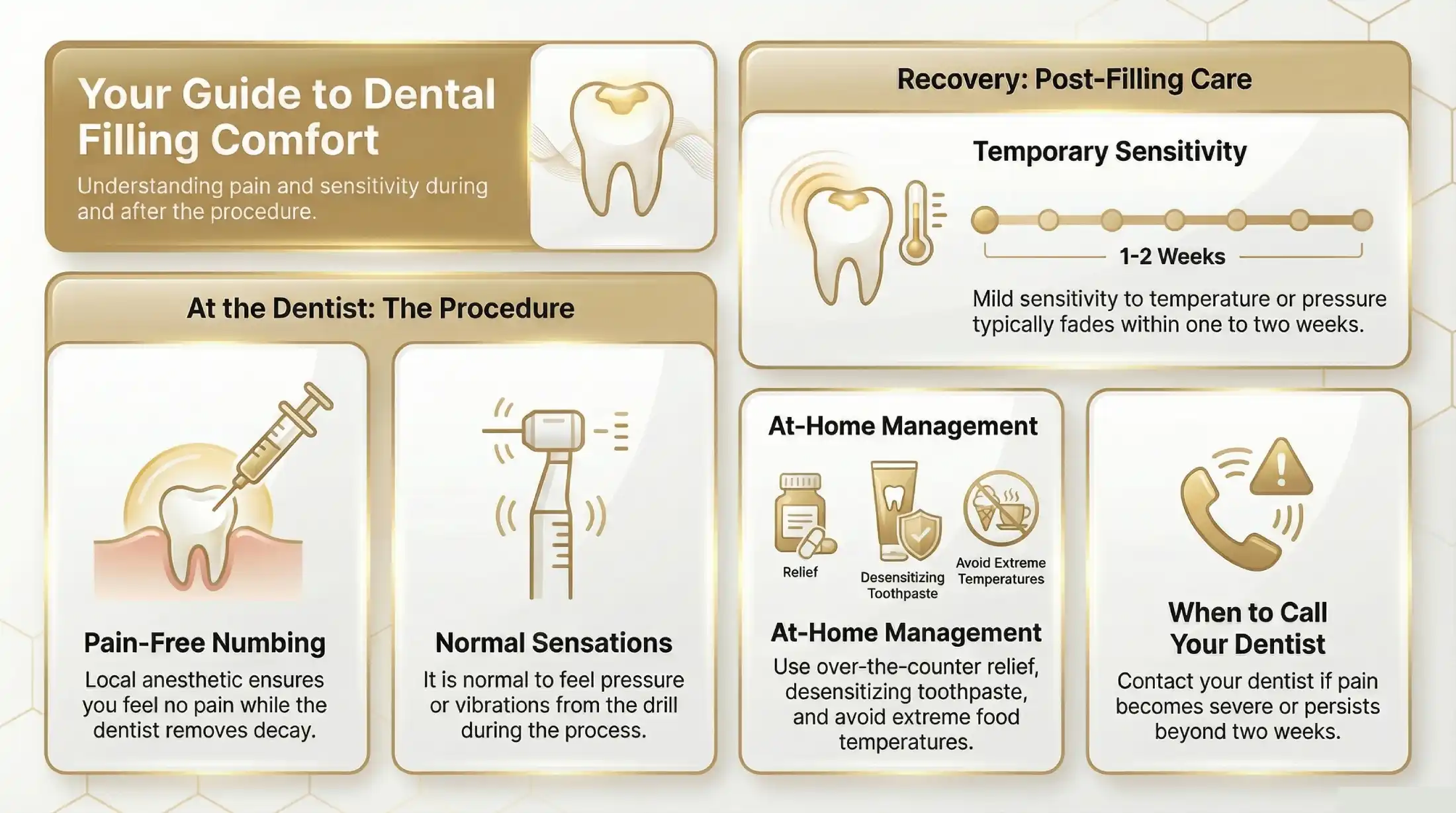
One of the most significant concerns people have about getting a dental filling is the pain during the procedure. The good news is that you shouldn’t feel pain during the procedure itself. This is because the dentist will use a local anesthetic to numb the area around the tooth being treated. The numbing process ensures that you will feel no pain when the dentist uses a drill to remove the decayed part of the tooth.
However, you might feel some pressure or vibrations as the drill works. This is normal and does not cause pain. If you experience any discomfort during the procedure, don’t hesitate to let your dentist know; adjustments can be made.
Post-Procedure Sensitivity
After the anesthesia wears off, some people experience mild discomfort, including tooth sensitivity to hot, cold, or pressure. This sensitivity can last for a few days, especially if the cavity was deep or if the filling is large. The discomfort usually fades within a week or two as the tooth adjusts to the filling.
For most people, this type of post-filling pain is temporary and can be managed with over-the-counter pain relief like ibuprofen or acetaminophen. Your dentist may also recommend a desensitising toothpaste to reduce sensitivity.
Pain Management After a Filling
- Over-the-Counter Pain Relief: Medications like ibuprofen can help reduce pain and inflammation.
- Desensitising Toothpaste: Specialised toothpaste can help soothe sensitivity.
- Avoid Extremes: Try to avoid consuming very hot or cold foods and drinks for a few days after your filling.
If the discomfort persists beyond a couple of weeks or becomes more severe, it could indicate a problem with the filling, and you should contact your dentist.
Will You Experience Pain After a Dental Filling?
A common concern for many patients is what happens after the filling procedure. Will the tooth hurt once the numbness wears off? The good news is that for most people, pain after a dental filling is mild and short-lived, but some sensitivity is to be expected.
Typical Post-Filling Sensitivity
After the procedure, it’s normal to experience temporary sensitivity in the treated area. This sensitivity can manifest as a reaction to temperature extremes (hot or cold), sweet foods, or even pressure while chewing.
For the majority of patients, this sensitivity will last for just a few days to a week. It’s your tooth adjusting to the new filling and the removal of decay. During this time, you can usually manage any discomfort with over-the-counter pain relievers like ibuprofen or acetaminophen, which can reduce swelling and alleviate mild discomfort.
When to Be Concerned
In some cases, the discomfort after a filling might last longer or increase in intensity. If you continue to feel pain after the usual recovery period (1-2 weeks) or if the pain worsens, it could be a sign that something is wrong with the filling or the tooth itself. Below are some signs that may warrant further attention from your dentist:
- Severe pain: Intense or throbbing pain that doesn’t go away with medication.
- Swelling or redness: These could indicate an infection around the tooth or filling.
- Pain when chewing: If you experience discomfort while biting or chewing, it might mean that the filling is too high or there is another issue with the tooth.
If you experience any of these symptoms, it’s best to contact your dentist for a follow-up check-up. Early intervention can prevent more serious problems, like an infection or damage to the filling.
What Causes Sensitivity After a Filling?
There are several reasons why you might experience sensitivity after a dental filling:
- Depth of the Cavity: If the cavity was deep and close to the nerve of the tooth, the dental filling may irritate the tooth’s nerve, causing more prolonged sensitivity.
- Filling Material: Some filling materials, especially composite resins, can cause sensitivity due to the way they bond with the tooth. This is often temporary and resolves as the material sets completely.
- High Filling: Sometimes, the filling may sit too high, causing discomfort when you bite down. If this is the case, your dentist will need to adjust the filling to ensure that your bite is aligned properly.
- Bonding Shrinkage: Over time, composite fillings can shrink slightly, creating tiny gaps between the filling and the tooth. This can lead to increased sensitivity, especially to cold or pressure.
Pain After Dental Fillings: What Causes It?
While most post-filling pain is temporary, there are several factors that can cause discomfort after a filling. Understanding these causes can help you identify what’s normal and when you need to seek professional help.
Common Causes of Post-Filling Pain
- High Filling: Sometimes, a filling may be placed slightly too high, leading to discomfort when biting. This can cause pressure on the tooth when you chew, resulting in pain. Fortunately, this is a common issue that can be easily corrected by adjusting the filling.
- Nerve Irritation: If the cavity was deep or close to the tooth’s nerve, the filling may irritate the nerve, leading to pain. This pain can be mild or severe, depending on the degree of irritation.
- Filling Shrinkage: Over time, certain filling materials, such as composite resins, can shrink slightly as they harden. This can create small gaps between the tooth and the filling, which may lead to sensitivity and discomfort. In some cases, the filling may need to be replaced or adjusted.
- Cracks or Weak Spots: If a filling is placed in an area with a lot of wear and tear, such as on a back molar, it can crack or break, leading to pain. This is more common with older fillings that have been in place for years.
- Infection or Inflammation: In rare cases, the cavity may have been so deep that it affected the tooth’s pulp, leading to infection or inflammation. This may require a root canal or other advanced treatment to resolve.
Preventing Pain After Future Fillings
While some sensitivity and discomfort are normal after dental fillings, there are simple steps you can take to minimize pain and avoid complications in the future.
Simple Tips to Prevent Pain After Future Fillings
- Use Sensitive Toothpaste: After your filling, use a toothpaste designed for sensitive teeth. This can help reduce discomfort caused by temperature changes.
- Avoid Chewing on Hard Foods: For the first few days after your filling, avoid chewing on hard or sticky foods that could irritate the treated tooth.
- Keep Your Mouth Clean: Brush your teeth gently twice a day and floss daily to prevent further decay or irritation around the filling.
- Avoid Hot or Cold Drinks: Immediately after the procedure, try to avoid very hot or cold drinks, as they can trigger sensitivity.
- Wear a Night Guard: If you grind your teeth at night, using a night guard can protect your fillings and reduce the risk of discomfort.
- Follow Your Dentist’s Advice: Always follow any aftercare instructions your dentist provides, especially regarding pain management and activity restrictions after the procedure.
By following these simple tips, you can help ensure a quicker recovery and reduce the risk of pain and sensitivity after a dental filling.
When Should You Contact Your Dentist?
If you experience persistent pain, swelling, or signs of infection after a dental filling, it’s essential to contact a professional dentist like St. Leonard Green Dental. Sharp pain when biting or chewing, or if your filling feels loose or has fallen out, are also signs that you should seek professional attention. These symptoms could indicate that something went wrong with the filling or that the cavity has become infected. Don’t wait for the discomfort to get worse; getting timely help can prevent more severe issues.
How to Prevent Pain and Sensitivity from Future Fillings
To avoid pain and sensitivity after future fillings, maintaining a good oral hygiene routine is key. Regular brushing and flossing, along with fluoride treatments and routine check-ups, can help prevent cavities and reduce the need for fillings. Additionally, limiting sugary foods can keep your teeth healthy and free from decay. Taking these simple steps can significantly lower the chances of experiencing pain or sensitivity after a filling.