
Dental implants have become one of the most trusted solutions for replacing missing teeth, providing a natural-looking, functional alternative to dentures and bridges. However, despite their durability, dental implants can sometimes fail or encounter complications over time. If you’re considering dental implants or already have them, it’s important to know the early warning signs of implant failure so you can seek timely treatment. By catching issues early, you can avoid more extensive procedures and maintain a healthy smile.
At St Leonards Dental, we specialise in ensuring the long-term success of your dental implants. In this comprehensive guide, we’ll explore the signs of dental implant failure, the causes behind it, and the steps you should take if you suspect your implant is failing. This guide will also provide insight into how you can protect your implants and keep your smile intact for years to come.
Early Signs of Dental Implant Failure
Pain and Discomfort Around the Implant
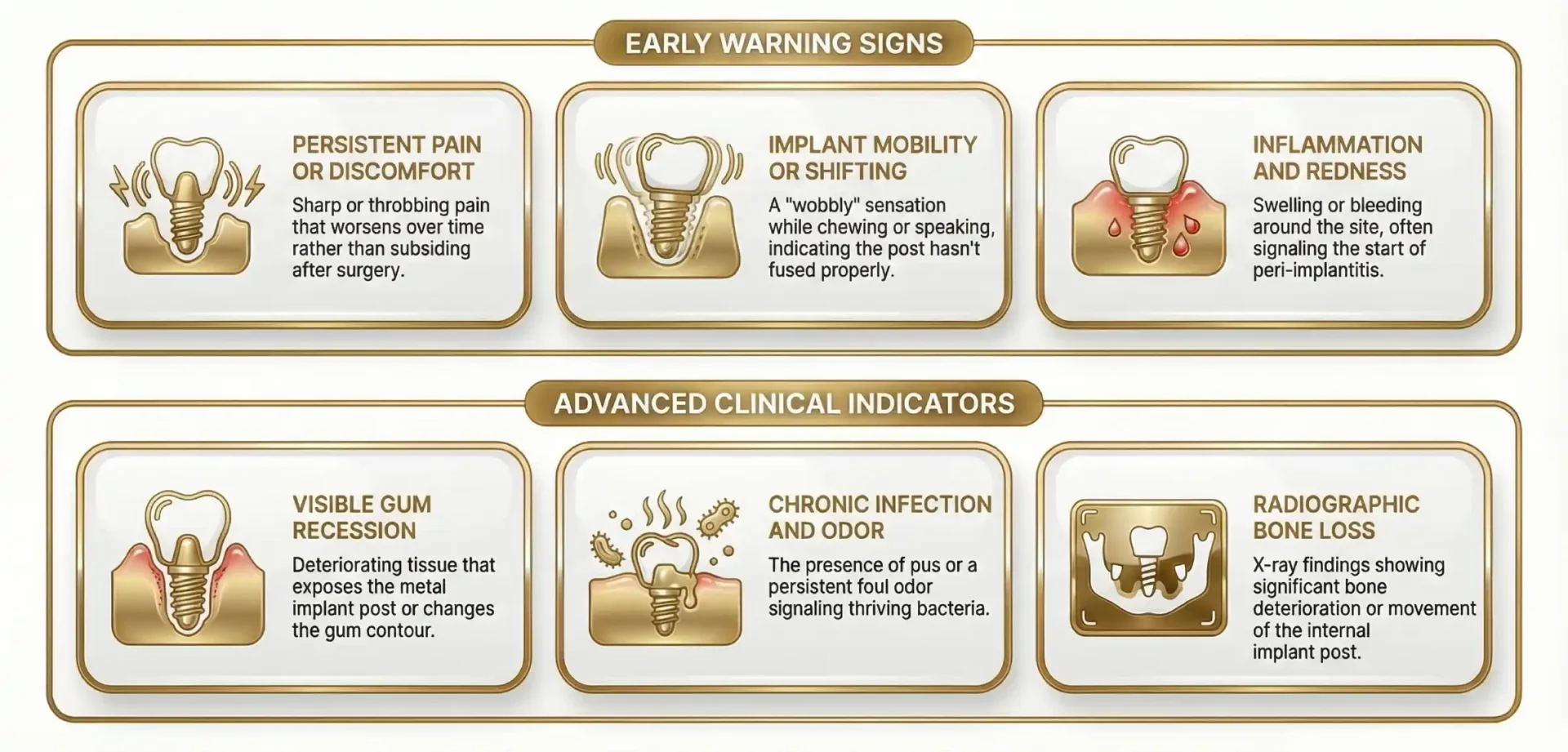
One of the most noticeable signs that something might be wrong with your dental implant is persistent pain or discomfort around the implant site. While it’s normal to experience some soreness immediately after implant placement, pain that doesn’t subside or gets worse over time could indicate a problem. This pain could stem from infection, implant mobility, or an issue with the osseointegration process (the fusion of the implant with the jawbone).
If you notice pain that is sharp or throbbing, or if the discomfort lasts longer than expected, it’s important to consult with your dentist. Delaying treatment could lead to further complications, such as bone loss or implant failure.
Implant Loosening or Movement
Another key sign that your implant may be failing is if you notice it becoming loose or feeling like it is shifting. This is often the case when the implant has not fused properly with the bone (a process called osseointegration). If the titanium post becomes unstable in the jawbone, it can cause the implant to feel wobbly, especially when you chew or speak. You may also notice that the prosthetic crown feels looser than before.
If you experience any implant mobility, it is essential to visit your dentist immediately. The sooner the issue is identified, the higher the chances of saving the implant or addressing the underlying cause, such as an infection or bone loss.
Swelling or Redness Around the Implant
Swelling or redness around the implant area is another early warning sign of potential failure. This could indicate peri-implantitis, an infection that affects the tissues around the implant. In its initial stages, peri-implantitis may present as peri-implant mucositis, which is inflammation of the soft tissues without bone loss. If left untreated, it can progress to a more severe condition, leading to bone loss and possible implant failure.
If you notice swelling, redness, or bleeding around your implant, seek professional care right away. Early intervention can often prevent further damage and help preserve the implant.
Advanced Signs of Implant Failure
Visible Gum Recession or Bone Loss
Gum recession or bone loss around a dental implant can be a clear indicator of implant failure. As the bone deteriorates or the gums recede, the metal post of the implant may become visible, compromising both the function and appearance of the implant. This issue typically arises from untreated infection or peri-implantitis, where the tissues surrounding the implant become inflamed. If you notice exposed metal or changes in the gum contour around the implant, it’s essential to seek dental care immediately to address the underlying problem and prevent further complications.
Persistent Infection or Foul Odour
A persistent infection around the implant can cause severe issues, including implant failure. This infection often leads to the formation of pus, which may drain from the implant site. Additionally, a foul odour may develop, signalling that bacteria are thriving in the area. If left untreated, the infection can cause bone loss and instability of the implant. Regular visits to your dentist for cleaning and maintenance are vital to prevent infections and ensure that your implant remains secure and healthy.
X-Ray Findings: Bone Loss and Implant Movement
An X-ray is a key diagnostic tool used to assess the condition of dental implants. It can reveal bone loss around the implant or abnormal movement of the implant post. Bone loss weakens the foundation of the implant, making it less stable and more prone to failure. Similarly, if the implant shows signs of movement on the X-ray, it indicates that it is not properly integrated with the bone, which is a sign of failure. Regular imaging helps detect these problems early, allowing your dentist to intervene before more serious complications occur.
Causes of Dental Implant Failure
Peri-Implantitis: Inflammation Around the Implant
Peri-implantitis is one of the most common causes of implant failure. It is a severe infection of the gums and bone around the implant, which can lead to bone loss and implant failure if left untreated. The infection often results from poor oral hygiene, which allows bacteria to accumulate around the implant, leading to inflammation and potential damage. Other factors that increase the risk of peri-implantitis include smoking, diabetes, or pre-existing gum disease. Maintaining good oral hygiene and attending regular checkups are essential to prevent this condition.
Osseointegration Failure
For dental implants to function properly, they must integrate with the jawbone in a process called osseointegration. This process is crucial because it provides the necessary stability for the implant. If osseointegration doesn’t occur properly, the implant will not be stable, and it may begin to loosen.
Several factors can affect osseointegration, including:
- Bone quality: If the jawbone is weak or lacks sufficient density, the implant may fail to integrate properly.
- Infection: Infection during the healing process can prevent proper fusion between the implant and the bone.
- Excessive pressure: Habits like bruxism (teeth grinding) can place too much force on the implant, affecting osseointegration and leading to failure.
If osseointegration failure occurs, the implant will likely need to be removed and replaced.
Bone Loss and Other Contributing Factors
In addition to peri-implantitis and osseointegration failure, bone loss around the implant is another leading cause of implant failure. If the bone surrounding the implant is not strong enough to support it, the implant can become loose. This can occur due to:
- Osteoporosis or other bone-related conditions.
- Age-related bone density reduction.
- Prior dental issues that caused bone deterioration.
Other contributing factors include medical conditions like diabetes, which can impair the body’s healing process and increase the risk of infection, and lifestyle factors like smoking, which can delay healing and increase the risk of implant failure.
What to Do If Your Dental Implant Fails
Consult Your Dentist Immediately
If you notice any signs of dental implant failure, it’s crucial to consult your dentist as soon as possible. Early intervention can prevent further damage and help save the implant or identify any underlying issues that need to be addressed. Your dentist will conduct a thorough examination, which may include X-rays or CBCT scans to assess the implant’s stability and the condition of the surrounding bone. During the consultation, your dentist will determine whether the implant needs to be removed or if it can be saved with additional treatments, such as a bone graft or sinus lift.
Treatment for Failed Implants
If your implant is deemed to be failing, the first step is typically to remove the old implant. This is usually done under local anaesthesia, and care is taken to ensure that the surrounding tissue and bone are not damaged. In cases of bone loss, your dentist may recommend a bone graft to restore the bone structure before a new implant is placed.
Removing the Failed Implant
When a dental implant fails, the first step is to carefully remove the failed implant. This process involves numbing the area with local anaesthesia to ensure comfort. The dentist will then carefully extract the implant from the jawbone, avoiding any damage to the surrounding bone and tissue. After removal, the area will be thoroughly cleaned to eliminate any bacteria or infection that may have contributed to the failure. This step is crucial to prepare the site for either a bone graft or the placement of a new implant if necessary.
Bone Grafting or Sinus Lift (If Needed)
If bone loss has occurred due to the failed implant, bone grafting may be required to rebuild the jawbone to a healthy level. Bone grafting involves taking bone material from another area of your body, synthetic material, or a donor source to restore the bone structure. If the implant was placed in the upper jaw and there isn’t enough bone, a sinus lift may be performed to add bone beneath the sinus to ensure a stable foundation for a new implant. Both procedures help ensure the success of a new implant by providing a stronger base for it to integrate with the jawbone.
Placing a New Implant
Once the area has healed and the bone has been rebuilt, a new dental implant can be placed. The new implant will be carefully positioned into the jawbone, and, like the original implant, it will need time to osseointegrate and fuse with the bone for stability. Depending on the severity of the previous failure, additional procedures such as bone grafting or a sinus lift may be required before placing the new implant. After the implant has properly integrated with the bone, a custom crown or bridge will be attached to restore both the function and aesthetics of the tooth.
Preventing Dental Implant Failure: How to Protect Your Investment
Maintain Good Oral Hygiene
One of the most effective ways to prevent dental implant failure is by maintaining excellent oral hygiene. Just like natural teeth, implants require regular care to ensure they stay healthy and functional. Plaque buildup around the implant can lead to peri-implantitis and other complications, ultimately causing implant failure.
To ensure your dental implant stays in top condition:
- Brush your teeth at least twice a day using a soft-bristle toothbrush.
- Use an antibacterial mouthwash recommended by your dentist to reduce bacteria around the implant site.
- Floss daily using special floss designed for dental implants or interdental brushes to clean between the implant and surrounding teeth.
Your dentist may also recommend using a water flosser to reach hard-to-clean areas around the implant and gums.
Visit Your Dentist Regularly
Routine dental visits are crucial for the long-term success of your implants. During these visits, your dentist will:
- Check the health of your implants and ensure that they are still properly integrated with the jawbone.
- Clean the area around the implant to remove plaque or tartar buildup, which could lead to infection.
- Perform X-rays or CBCT scans to check for early signs of bone loss or any complications with the implant.
Regular checkups allow your dentist to detect potential issues early and provide preventative treatments before they become more serious. At St Leonards Dental, we recommend a checkup every six months to monitor the health of your implants.
Avoid Smoking and Other Risk Factors
Smoking is one of the biggest risk factors for dental implant failure. Smoking impairs blood flow and delays the healing process, making it harder for the implant to integrate with the bone. Smoking also increases the likelihood of infection, which can lead to peri-implantitis.
If you’re a smoker, quitting can significantly reduce the risk of implant failure and improve the long-term success of your implants. If quitting is not an option, at least avoid smoking during the healing period after the implant procedure. Additionally, if you suffer from bruxism (teeth grinding), it’s important to manage the condition. Bruxism places excessive pressure on the implant, which can cause it to loosen over time. A nightguard can help protect your implants from the effects of grinding during sleep.
Healthy Diet and Bone Health
A healthy diet plays a significant role in the success of your dental implants. Nutrients like calcium, vitamin D, and phosphorus are crucial for bone health and can help maintain the bone structure around your implant.
Ensure that your diet includes foods like:
- Dairy products (rich in calcium)
- Leafy greens (sources of vitamin K and calcium)
- Fatty fish (rich in vitamin D)
- Nuts and seeds (high in phosphorus)
If you have osteoporosis or any other condition that affects bone health, discuss with your dentist or physician about ways to improve bone density and support your implants.
Frequently Asked Questions (FAQs)
What Are the Early Signs of Implant Failure?
The early signs of implant failure include pain around the implant, swelling or redness in the gums, and implant mobility (looseness). If you experience any of these symptoms, it’s important to consult your dentist right away to prevent further damage or complications.
How Long Do Dental Implants Last?
Dental implants can last 20-25 years or more with proper care. The prosthetic crown or bridge may need to be replaced after 10-15 years, but the implant post itself can last a lifetime if it remains healthy.
Can Dental Implants Fail After Years of Use?
Yes, although dental implants are designed to last many years, they can still fail due to peri-implantitis, bone loss, or other complications. Regular check-ups and good oral hygiene can help extend the lifespan of your implants.
How Can I Prevent Dental Implant Failure?
To prevent dental implant failure, maintain good oral hygiene, avoid smoking, manage bruxism, and attend regular dental checkups. Also, ensure you maintain a healthy diet to support bone health around your implants.
Is the Replacement Process Painful?
The replacement process for a dental implant is typically performed under local anesthesia. While some discomfort is expected after the procedure, most patients report only mild soreness, which can be managed with pain relief medications.
Conclusion: Protect Your Smile with Timely Action
Recognising the early signs of dental implant failure and addressing them promptly can save you from more complicated procedures down the line. By maintaining good oral hygiene, avoiding harmful habits like smoking, and regularly visiting your dentist, you can ensure the longevity and success of your implants. At St Leonards Dental, we specialise in implant care, offering solutions to preserve your smile and keep your implants healthy.
If you’re concerned about your dental implants or need to replace a failing implant, contact us today to schedule a consultation. Our experienced team is dedicated to helping you maintain a healthy, functional smile that lasts.


Dental implants are a permanent solution to missing teeth and they have a success rate of up to 95%. When Read more
Dental implants are more than just a solution for missing teeth; they play a crucial role in preserving jawbone health Read more