

If you’ve been considering veneers to improve your smile but are concerned about having bad teeth, you’re not alone. Many people wonder if they can get veneers when their teeth are damaged, decayed, or misaligned. Veneers are a popular cosmetic dental treatment that can drastically enhance the appearance of your smile by covering imperfections such as chips, cracks, and stains. However, not everyone is a good candidate for this procedure, especially if their teeth are in poor condition. So, can you get veneers with bad teeth? We’ll tell you everything you need to know about candidacy requirements for veneers, when they’re a viable option, and when other treatments may be necessary.
What Are Dental Veneers?
Veneers are thin, tooth-colored shells that cover the front surface of your teeth to enhance their appearance. Typically made from porcelain or composite resin, these shells are bonded to your natural teeth, hiding imperfections like discoloration, chips, or unevenness. They’re a popular choice for people looking to achieve a flawless smile with minimal dental work.
Key Features of Veneers:
- Aesthetic Fix: Veneers are purely cosmetic; they’re used to improve the look of your teeth, not to address underlying dental health issues.
- Durability: Porcelain veneers are durable, with a lifespan of 10-20 years with proper care.
- Stain Resistance: Porcelain veneers are resistant to staining, which makes them a great choice for long-lasting whiteness.
- Custom Fit: Veneers are custom-made to match the color and shape of your natural teeth, giving you a realistic and natural-looking result.
However, while veneers can drastically improve the appearance of your smile, they aren’t suitable for everyone. The condition of your teeth plays a significant role in whether you’re a good candidate for veneers.
What Are Bad Teeth and Their Impact on Veneer Candidacy?
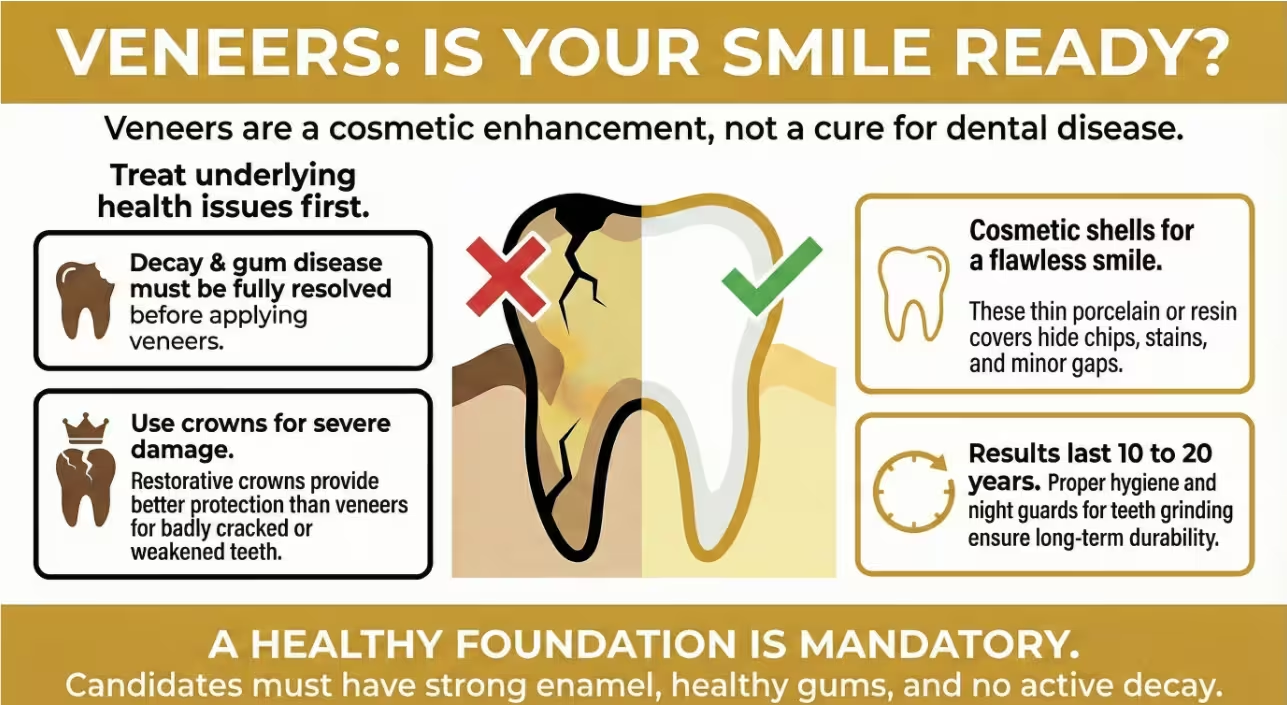
When we refer to “bad teeth” in the context of veneers, we mean teeth that have significant damage or underlying health issues that may affect the success of the procedure. “Bad teeth” could refer to a variety of dental problems, such as decay, chips, cracks, or even misalignment. However, if you have hairline cracks in teeth, a dentist must ensure the crack hasn’t compromised the tooth’s core before bonding a veneer. Understanding the specific condition of your teeth is crucial when determining if veneers are a viable option.
Common Problems with Bad Teeth:
- Tooth Decay: Decay is one of the most common reasons veneers might not be recommended. Veneers are not designed to fix cavities or other serious dental health problems. If your teeth are decayed, they need to be treated before applying veneers.
- Chipped or Cracked Teeth: Veneers can be used to cover minor chips and cracks, but if the damage is severe, the tooth may need additional restorative work, such as a crown.
- Gum Disease: Healthy gums are essential for veneer success. If you have gum disease, the veneers may not adhere properly, and you could risk further complications. Gum disease must be treated first.
- Misaligned Teeth: Veneers work best on relatively straight teeth. For more severe misalignment, orthodontic treatment (braces or Invisalign) might be necessary before veneers can be applied.
Understanding the specific condition of your teeth is essential when considering veneers. While veneers are a great option for many, they might not be suitable if your teeth have significant health issues.
Who Is a Good Candidate for Veneers?
Not all patients with bad teeth are automatically excluded from getting veneers. In some cases, veneers can still be an option if your teeth are properly prepared first. The key to being a good candidate for veneers is having a strong, healthy tooth structure, especially a good amount of enamel to bond the veneers effectively.
Key Requirements for Veneer Candidacy:
- Healthy Teeth and Gums: Your gums must be free from disease, and your teeth should be healthy with no active decay or infection.
- Sufficient Enamel: Veneers require a thin layer of enamel to bond properly. If your enamel is too thin or has been worn down, veneers might not adhere effectively.
- No Severe Damage: While veneers can cover minor cracks or chips, teeth that are severely damaged or broken may require crowns or other restorative treatments.
- Cosmetic Concerns: Veneers are best suited for cosmetic issues like stains, mild misalignment, and small chips or cracks. They’re not suitable for fixing major structural issues or severe misalignment.
- Commitment to Oral Hygiene: Maintaining good oral hygiene is crucial to ensure the longevity of veneers. Regular brushing, flossing, and dental check-ups are essential for the health of your teeth and veneers.
Who Should Avoid Veneers:
- Severe Decay or Infection: Veneers should not be placed over teeth with untreated cavities or severe infections, as the veneers won’t address these underlying issues.
- Gum Disease: Active gum disease must be treated first, as it can affect the adhesion of veneers and lead to complications.
- Teeth Grinding (Bruxism): People who grind their teeth excessively should consider a night guard before getting veneers, as grinding can damage both natural teeth and veneers.
Being a good candidate for veneers requires healthy teeth and gums, a good amount of enamel, and realistic expectations about the results. If your teeth need restorative work before veneers, it’s important to address those issues first.
When Are Veneers Not Recommended for Bad Teeth?
Veneers are a popular cosmetic solution, but they are not always suitable for every dental condition. If your teeth have certain issues, such as severe decay or gum disease, veneers may not be the best option. It’s essential to understand when veneers are not recommended, as using them under these circumstances can lead to complications or failure of the treatment.
The Dangers of Applying Veneers to Decayed Teeth
Veneers are designed to cover the surface of your teeth, improving their appearance. However, they do not address underlying issues such as tooth decay. You cannot place a veneer over a cavity. The decay will continue to spread, eventually leading to a tooth abscess or severe infection. All decay must be cleared and filled before the cosmetic phase begins. To ensure the longevity and success of veneers, it’s important to treat any decay before considering this cosmetic treatment.
Why Gum Disease Must Be Treated First
Healthy gums are crucial for the success of veneers. If you have gum disease, your gums may be inflamed or infected, which can prevent the veneers from bonding correctly. Furthermore, untreated gum disease can worsen over time, causing the veneers to fail or leading to other complications. Therefore, it is essential to address gum disease before pursuing veneers. This could involve professional cleaning, therapy, or even surgery in severe cases.
Severe Tooth Damage and Misalignment Issues
Veneers work best for minor cosmetic issues, but they aren’t a good fit for severely damaged or misaligned teeth. If a tooth is badly cracked or broken, a crown or other restorative option might be a better choice. Similarly, if your teeth are severely misaligned, braces or Invisalign may be necessary before veneers can be placed. In these cases, veneers alone will not address the underlying structural issues, and trying to apply them without proper treatment could result in an unsatisfactory outcome.
The Veneer Treatment Process: What to Expect
If you’re a suitable candidate for veneers, the process involves several key steps. Understanding what to expect during this treatment is essential for making an informed decision.
Initial Consultation and Examination
The first step in getting veneers is scheduling a consultation with your dentist. During this visit, your dentist will perform a comprehensive exam, including X-rays, to assess the overall health of your teeth and gums. If you have any underlying issues, such as decay or gum disease, these will need to be addressed before proceeding with the veneer placement. The dentist will also discuss your goals and expectations for the treatment to ensure veneers are the right solution for you.
Tooth Preparation and Enamel Removal
Once your dentist confirms that veneers are the right choice, the next step is preparing your teeth. This typically involves removing a thin layer of enamel from the front of the teeth to create space for the veneer. This step is irreversible, so it’s important to consider the long-term impact of choosing veneers. After the enamel is removed, your dentist will take impressions of your teeth to create custom veneers that fit perfectly.
Veneer Placement
After your veneers are made, usually over a couple of weeks, you’ll return for the final placement. The dentist will carefully bond the veneers to your teeth, ensuring they are properly aligned and secure. Adjustments may be made to ensure a perfect fit. Finally, the dentist will bond the veneers using a special adhesive and a curing light to harden the material. After the placement, your dentist will check your bite and make any necessary tweaks to ensure comfort.
Post-Treatment Care and Maintenance
Once your veneers are placed, your dentist will provide instructions on how to care for them. Veneers require good oral hygiene, including brushing and flossing regularly, to ensure their longevity. You should also avoid habits that could damage your veneers, such as chewing hard foods, grinding your teeth, or using your teeth as tools. Regular check-ups with your dentist are important to monitor the health of your veneers and make any necessary adjustments.
How to Prepare Your Teeth for Veneers
To achieve the best results with veneers, it’s crucial to properly prepare your teeth. A few simple steps can help strengthen your teeth and ensure that veneers adhere effectively.
Strengthening Teeth Before Veneers
If your teeth are in less than ideal condition, such as weakened enamel or minor decay, your dentist may recommend restorative work before placing veneers. This could involve fillings, root canals, or other treatments to ensure the tooth is structurally sound before the veneer is applied. It’s important to address any underlying issues to ensure the veneers last for many years.
Maintaining Good Oral Hygiene
Good oral hygiene is essential for the success of veneers. Before undergoing the procedure, it’s important to ensure your gums are healthy, and your teeth are free from decay. This means brushing your teeth at least twice a day with fluoride toothpaste, flossing daily, and using mouthwash. If you haven’t been to the dentist in a while, your dentist may recommend a cleaning to ensure your teeth are in optimal condition for the procedure.
Lifestyle Changes for Stronger Teeth
Certain lifestyle factors can help you maintain strong, healthy teeth. For example, avoiding smoking can prevent staining and gum disease, both of which can affect the success of your veneers. Additionally, reducing acidic foods and drinks can help protect your enamel and reduce the risk of tooth sensitivity. If you grind your teeth at night, wearing a night guard can help protect your veneers from excessive pressure.
Contact us today to schedule your consultation and learn more about how we can help you achieve your best smile.
Risks and Considerations for Veneers on Bad Teeth
While veneers are an excellent solution for many cosmetic dental concerns, it’s essential to understand the potential risks and considerations when they’re applied to teeth that may not be in optimal health. Veneers work best when placed on teeth that have a healthy foundation. If your teeth are in less-than-ideal condition, such as being severely decayed or weakened, there are certain risks you should consider before moving forward with the treatment.
What Happens if Veneers Don’t Fit Properly?
One of the most common issues that arise with veneers is improper fit or bonding. If your teeth are not adequately prepared, or if there is underlying decay, the veneers may not bond effectively, leading to gaps or discomfort. A poor fit can cause the veneers to fail, resulting in the need for further treatment or even replacing the veneers altogether. This could also lead to tooth sensitivity, discomfort, or the potential for tooth damage underneath the veneer. For the best results, it’s essential to follow your dentist’s advice about pre-treatment care and ensure that your teeth are fully prepared.
The Importance of Regular Check-Ups
After you’ve had veneers placed, regular dental check-ups become more important than ever. This is because the veneers, while durable, can still be vulnerable to wear over time. Your dentist will monitor the veneers to make sure they remain intact, your gums stay healthy, and that there are no signs of underlying issues that could affect the success of the treatment. During these visits, your dentist will also check the condition of the tooth underneath the veneer to ensure no decay is developing and that your enamel remains healthy.
Longevity of Veneers on Damaged Teeth
The longevity of veneers can be impacted if the underlying tooth structure is not in good condition. If you have severely weakened teeth, even with veneers, the risk of damage is higher. Teeth that suffer from constant pressure, such as those affected by bruxism (teeth grinding), may not be suitable for veneers, as the veneers could crack or wear down over time. To prevent this, you may need to take extra steps to protect your veneers, such as wearing a night guard or following specific guidelines for avoiding hard foods.
Once your oral health is stabilized, our custom porcelain or composite veneers can provide a total aesthetic reset, correcting shape, color, and minor alignment.
Alternatives to Veneers for Bad Teeth
While veneers can work wonders for many patients, they aren’t always the best solution for those with severe tooth damage or decay. Several alternatives can help restore the function and appearance of your teeth, and in some cases, they may be a better choice.
Crowns for Severely Damaged Teeth
If your teeth are severely damaged or decayed, a crown may be a better option than veneers. Crowns cover the entire tooth, providing more protection and support compared to veneers, which only cover the front surface. Crowns are ideal for teeth that are weakened by decay, cracks, or fractures. They are custom-made to fit over the tooth, offering durability and long-term protection.
Implants for Missing or Severely Damaged Teeth
If a tooth is too damaged to be saved, a dental implant might be necessary. Implants are placed in the jawbone and act as replacements for missing teeth. They provide a permanent solution and are a great option when veneers cannot be used due to severe damage or decay. Implants restore both the functionality and aesthetics of your smile, providing a long-term, stable solution.
At St Leonards Dental, our team of experienced dentists is here to guide you every step of the way. Whether you need veneers, crowns, or another restorative treatment, we’re committed to providing top-quality care that meets your unique needs.
Orthodontic Treatment for Misalignment
For those with misaligned teeth, orthodontic treatments like braces or Invisalign may be necessary before veneers can be placed. Veneers work best when your teeth are straight, and trying to apply them on misaligned teeth may lead to unsatisfactory results. Orthodontic treatment can help straighten your teeth, ensuring that they’re in the right position before applying veneers. While this may take some time, the results can be well worth the effort.
Bonding and Whitening for Minor Issues
If you have minor cosmetic concerns like stains, chips, or gaps, dental bonding or teeth whitening might be suitable alternatives to veneers. Bonding involves applying a composite resin to the teeth to fill in gaps, cover chips, or correct imperfections. It’s a quick and cost-effective solution for minor cosmetic issues. Teeth whitening, on the other hand, can help remove stains and brighten your smile. These options are more affordable and less invasive than veneers but may not provide the same long-term results for more severe issues.
Conclusion: Is Veneer Treatment Right for You?
Veneers are a fantastic option for improving the appearance of your smile, but they’re not suitable for everyone. If you have bad teeth, whether due to decay, gum disease, or severe damage, it’s essential to address these issues first. Veneers work best when placed on healthy, strong teeth with sufficient enamel for bonding. If your teeth aren’t in ideal condition, other restorative treatments, such as crowns, implants, or orthodontics, may be more appropriate.
It’s crucial to consult with a professional dentist who can evaluate your individual needs and guide you toward the right solution. Whether you opt for veneers or another treatment, the goal is to restore both the functionality and appearance of your smile in a way that lasts for years to come.
At St Leonards Dental, we specialise in creating personalised treatment plans that cater to your dental health and cosmetic goals. If you’re considering veneers or need advice on the best options for your teeth, book a consultation with us today to start your journey toward a healthier, more beautiful smile.


